 Support Telecomtalk







Andrew Bonwick
Vice President of Product Development at Relm Insurance

Madhav Sheth
CEO of Ai+ Smartphone

Stephen Rose
CEO Render Networks



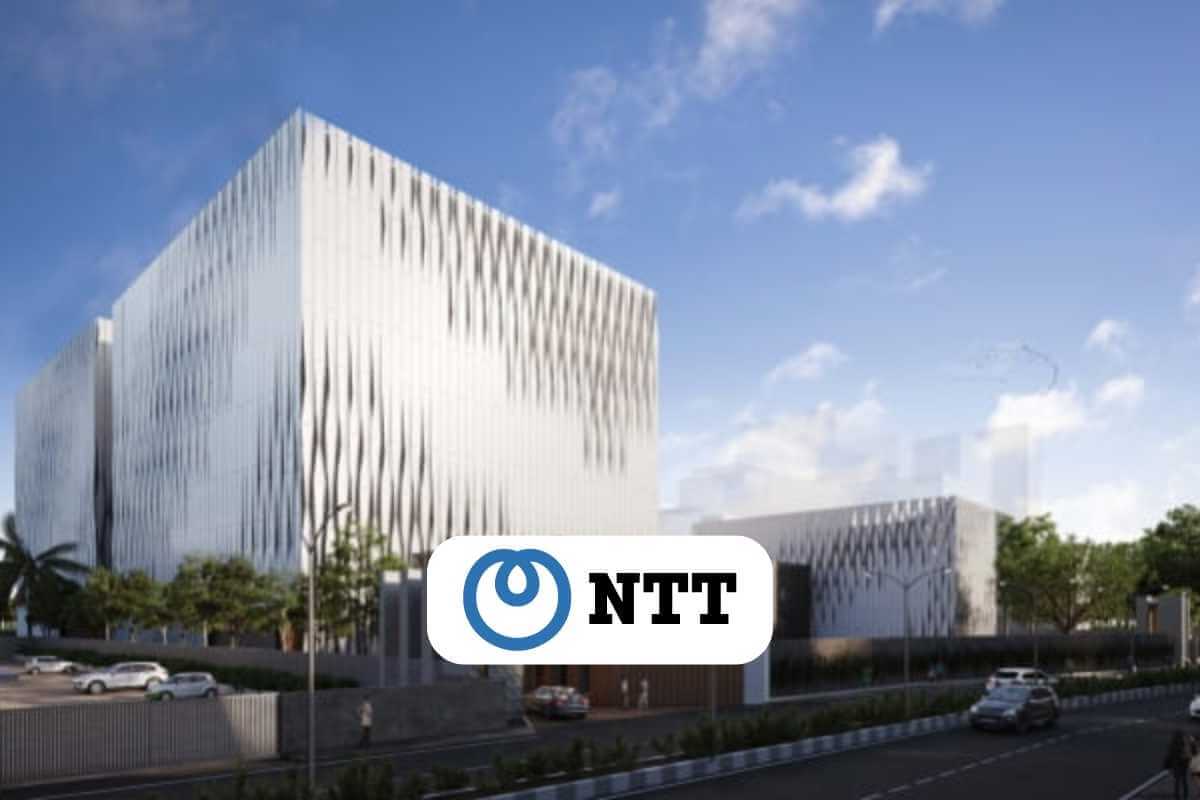
NTT has announced the launch of its latest hyperscale data centre campus, Chennai 2, and the arrival of its subsea cable system, MIST, in the city. TelecomTalk reported the landing of MIST Subsea Cable in Chennai in June’s first week. These developments mark a major milestone in NTT’s commitment to expanding its data centre capacity and connectivity offerings in India.
- Make Telecom Talk My Trusted Source



Also Read: NTT GDC Lands MIST Subsea Cable in Chennai
NTT’s Chennai 2 DC Campus
Situated in Ambattur and spread across 6 acres, the Chennai 2 campus boasts a total planned capacity of 34.8 MW critical IT load from 2 data centre buildings. The first facility, which went live recently, has an IT load capacity of 17.4 MW.
NTT’s Data Center Presence in India
With the launch of the Chennai 2 Data Center campus, NTT has expanded its data centre presence in India to 16 facilities with over 3.1 million square feet and 205 MW of IT power.
MIST subsea cable system
The MIST subsea cable system, built by a consortium that included NTT Communications India Network Service Pte. Ltd. and Orient Link Pte. Ltd., is a major accomplishment for NTT Group. It is the company’s first cable system that provides direct connectivity to and from India.
The MIST cable is an impressive feat of connectivity, stretching over 8,100 km to link Malaysia, India, Singapore, and Thailand. It’s worth noting that this marks India’s first cable landing with a capacity of 12 fibre pairs, and it can transmit over 200 Tbps of data.
Transforming Chennai into a Digital Gateway
According to the statement, Chennai’s location has opened up three exciting opportunities for these projects.
Firstly, it caters to the increasing demand for top-notch data centre infrastructure due to Chennai’s thriving digital environment that includes both traditional and new economy businesses.
Secondly, it makes Chennai an ideal disaster recovery (DR) site for companies whose primary IT infrastructure is located in other cities in India.
Lastly, it takes advantage of global connectivity to provide data centre capacity to markets in Southeast Asia, particularly Singapore, where there is currently limited capacity.






























