Support Telecomtalk







Andrew Bonwick
Vice President of Product Development at Relm Insurance

Madhav Sheth
CEO of Ai+ Smartphone

Stephen Rose
CEO Render Networks



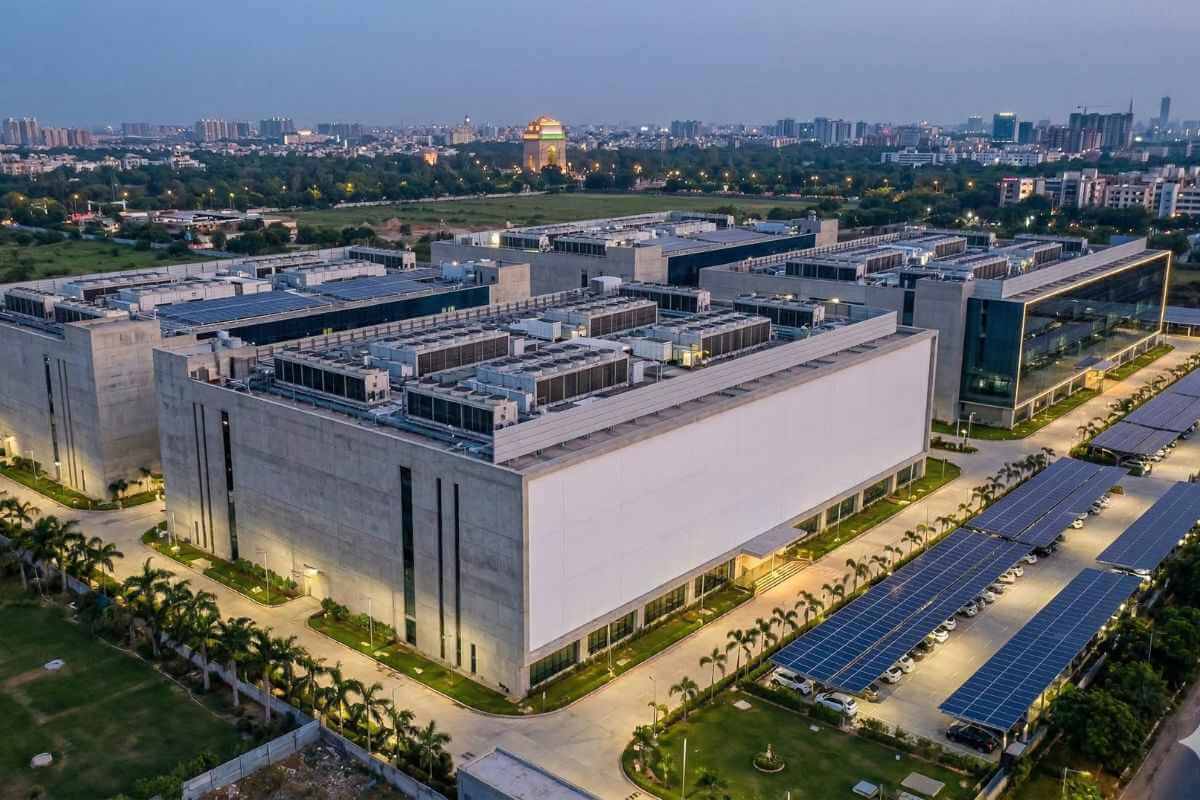
India’s data centre industry has witnessed steady growth over the past five years, with total capacity increasing from 375 MW in 2020 to over 1,500 MW in 2025, reflecting the country’s accelerating digital transformation and rising demand for data storage, according to a statement by the Ministry of Electronics and Information Technology dated March 18, 2026.
- Make Telecom Talk My Trusted Source



Data Centres Spread Across the Country
According to information presented in the Lok Sabha by Minister of State for Electronics and Information Technology Jitin Prasada, major data centre capacity is concentrated in key metropolitan hubs. Mumbai and Navi Mumbai account for the largest share at 790 MW, followed by Chennai with 305 MW, Bengaluru at 182 MW, Hyderabad at 152 MW, and Delhi-NCR/Noida at 76 MW. Other cities, including Pune and Kolkata, together contribute a relatively small share of 15 MW.


Digital Services Across Various Sectors
The government has emphasised that the expansion of data centre infrastructure is aligned with Prime Minister Narendra Modi’s vision of democratising technology and strengthening digital public infrastructure to improve service delivery across sectors. “The focus is facilitating establishment of data centres in the country which will help strengthen digital infrastructure and improve delivery of digital services across various sectors,” the statement said.
Submarine Cable Systems
On the connectivity front, four submarine cable systems are currently under commissioning by private telecom service providers (TSPs). These include the India Europe Xpress (IEX) by Reliance Jio in Mumbai; SEA-ME-WE-6 by Bharti Airtel in Mumbai and Chennai; 2Africa by Bharti Airtel in Mumbai; and the Raman Cable by Sify Technologies in Mumbai.