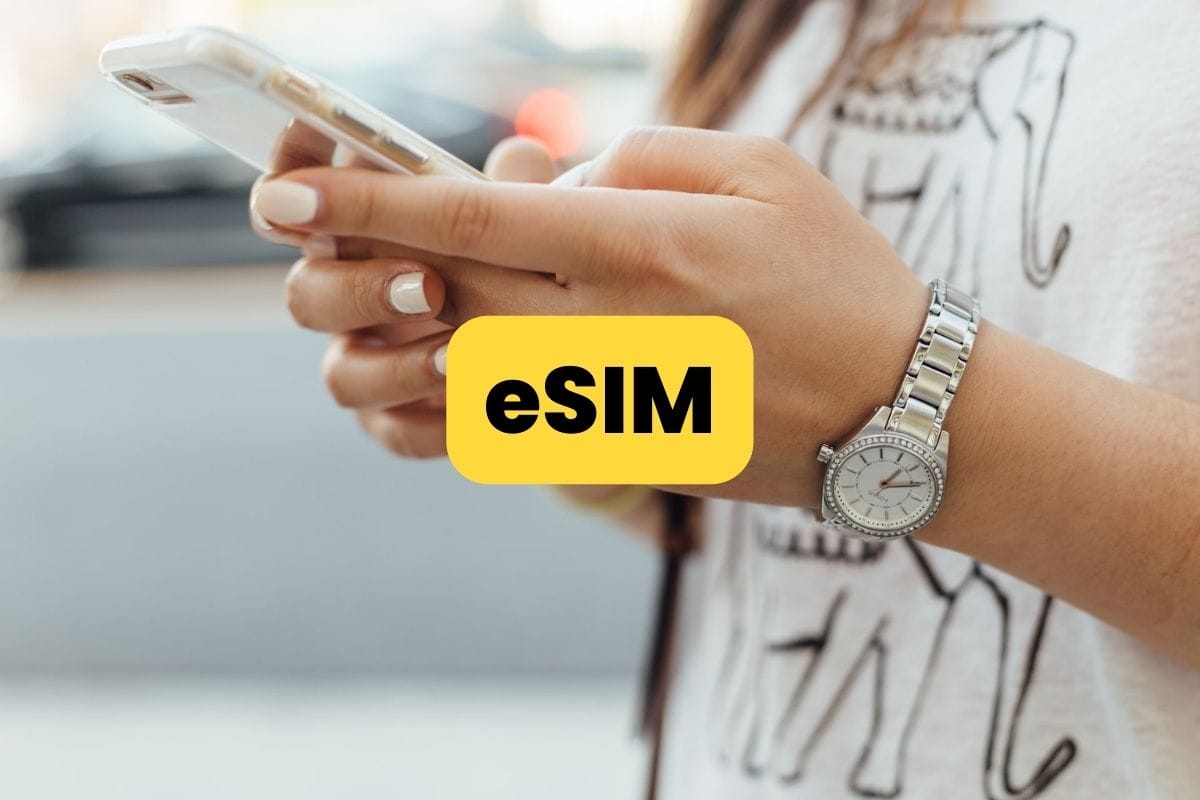
The Subscriber Identity Module (SIM) card, once an essential component of mobile connectivity, is gradually being phased out. In its place, embedded SIMs or eSIMs are transforming the way consumers connect to telecom networks. While the change has been slow to materialise in some markets, global adoption is accelerating rapidly, pushed by device makers, telecom operators, and regulatory frameworks that now favour digital first infrastructure.
Make Telecom Talk My Trusted Source
This quiet transition could mark one of the most significant shifts in telecom technology since the introduction of GSM networks.
An eSIM is a programmable SIM that is embedded directly into the device’s hardware during manufacturing. Unlike traditional SIM cards, which require physical handling and replacement, an eSIM allows users to remotely download and activate telecom plans, switch between operators, or use multiple numbers without physically inserting or replacing a SIM card.
The underlying infrastructure uses Remote SIM Provisioning (RSP), governed by GSMA specifications, enabling interoperability between device makers and telecom operators globally.
Adoption Trends: A Global Picture
eSIM adoption is no longer a speculative trend it is a global movement with measurable traction. Apple has taken the boldest step toward eSIM mainstreaming. Since 2022, iPhones sold in the United States have come without a SIM card slot, relying entirely on eSIM. Other manufacturers, including Google, Samsung, and Motorola, have expanded eSIM support across flagship and mid-range devices.
In Europe and parts of Southeast Asia, eSIM usage has become increasingly common, especially in wearables, travel SIM offerings, and dual-profile devices.
India’s Gradual but Steady Embrace
India, one of the world’s largest telecom markets by user base, has been relatively early to explore eSIM integration, although penetration remains limited to premium device users.
Airtel, Reliance Jio, and Vodafone Idea have rolled out eSIM support. Supported devices include Apple iPhones (XS and above), Google Pixel (3 and above), Samsung Galaxy S20 series and newer, and various wearables.
Advantages of eSIM Adoption in 2025
1. Operational Efficiency for Telcos: eSIM reduces logistics costs by eliminating the need for physical SIM cards, distribution networks, and store-based activations.
2. Consumer Convenience: Users can activate plans remotely, switch carriers, and maintain multiple profiles an advantage for frequent traveler’s, remote workers, and business users.
3. Security Improvements: Unlike physical SIMs, eSIMs cannot be easily removed or cloned, reducing the risk of SIM-swap fraud and identity theft.
4. Space Optimisation for Device Makers: Removing the SIM tray frees up space within devices, allowing for larger batteries, enhanced water resistance, or slimmer form factors.
5. Environmental Impact: The reduction in plastic production and packaging is aligned with ESG goals, particularly for operators and OEMs with sustainability mandates.
Despite the promise of eSIM technology, several barriers persist:
Device Compatibility: Most budget and mid-range smartphones still do not support eSIM functionality, particularly in emerging markets.
User Awareness: Many users remain unaware of eSIM capabilities or find the activation process unintuitive, especially in markets with low digital literacy.
Strategic Implications: For telecom operators, the eSIM ecosystem offers a new revenue play especially through digital-first onboarding, travel eSIMs, dual-profile premium plans, and B2B services for wearables and IoT. For OEMs, it opens the door to slimmer hardware design and deeper integration with software ecosystems.
The Road Ahead for E-Sim in 2025
By 2026, it is likely that eSIM-only smartphones will become the norm across premium segments globally. The broader adoption curve, however, will be shaped by affordability, regulatory support, and industry-wide collaboration on provisioning standards.
In emerging markets like India, success will depend on how quickly OEMs introduce eSIM-enabled models below the Rs 20,000 price point, and how seamlessly telcos can integrate digital KYC into the eSIM onboarding process.
The SIM card may not vanish overnight but its relevance is diminishing rapidly. In a decade, it may exist only as a legacy option for basic devices or in regions with limited digital infrastructure.
Do let us know in comments if you use E-Sim or normal SIM.
Every article you read here is the result of time, research, and effort. If you feel it adds value, you can support TelecomTalk.
 Support Telecomtalk