If you have been following the tech scene for even the last few years, you would have undoubtedly heard of a company known as LG. One of the most well-known appliance manufacturers struck out when it came to smartphones, as is evident by its demise, which, according to some, came a bit too late.
Having been responsible for solid devices under itsG-series, which was quite popular back in the early 2010s, the company dipped from its once well-known position within the market to a point where even technically sound people would ask about whether or not LG still existed in the market.
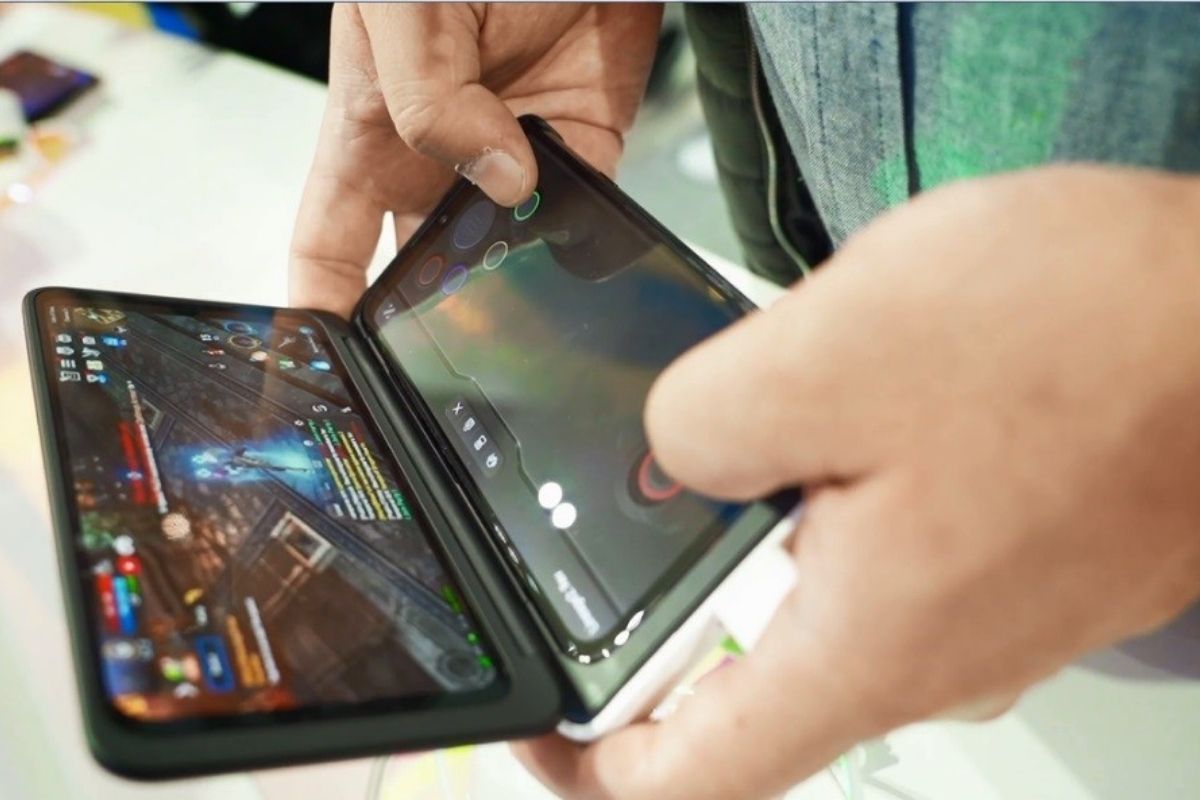
Despite this, the company kept pushing, offering products that provided dual-screen displays via a unique form factor, dependent on a flip-case that consisted of a secondary screen, followed by a T-shaped dual-screen device dubbed the LG Wing.
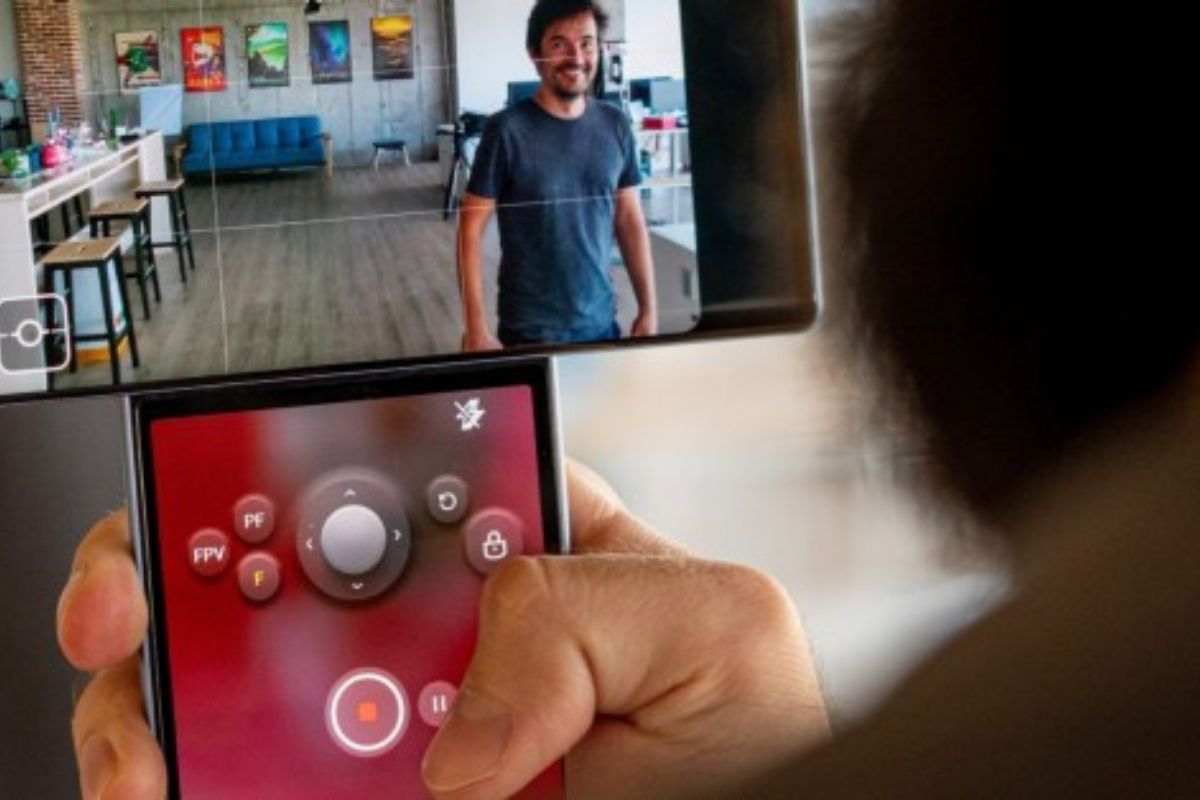
Some of the company’s latest devices include the LG G Flex capable of providing a self-healing back, the LG G8x ThinQ sporting a detachable screen via the previously mentioned flip case and the V-series which promised to offer users great cameras with features focused on videography.
Why Did LG Decide To Pull The Plug On Its Smartphone Division?
While there is no specific sureshot answer, one would point towards overall sales in the market. LG had a market share of 2% as of 2020; with the company shipping mere 23 Million devices in 2020 in comparison toSamsung’s 250 Million. This, to most, seemed like a huge fall from grace, considering that back in 2013, LG was the third-largest smartphone company.
Add to this the lacklustre response towards its flagship devices, the company effectively became a mid-range competitor, battling it out with the likes of TCL, Samsung, Motorola rather than at the front with OnePlus, Apple etc.
For me, however, this instance of a well-regarded company, responsible for bringing the wide-angle camera to devices all around the world, or at least popularising it suddenly exiting the market puts more pressure on the backmarkers who have resorted to providing poor products for high prices.
Why This Move Is Worrying For Backmarkers?
LG pulling the plug had massive implications for the market as a whole, but it also puts pressure on backmarkers such as Motorola, Nokia etc. These companies are just flashes of what they used to be in the past, offering poor specifications for higher than usual prices.
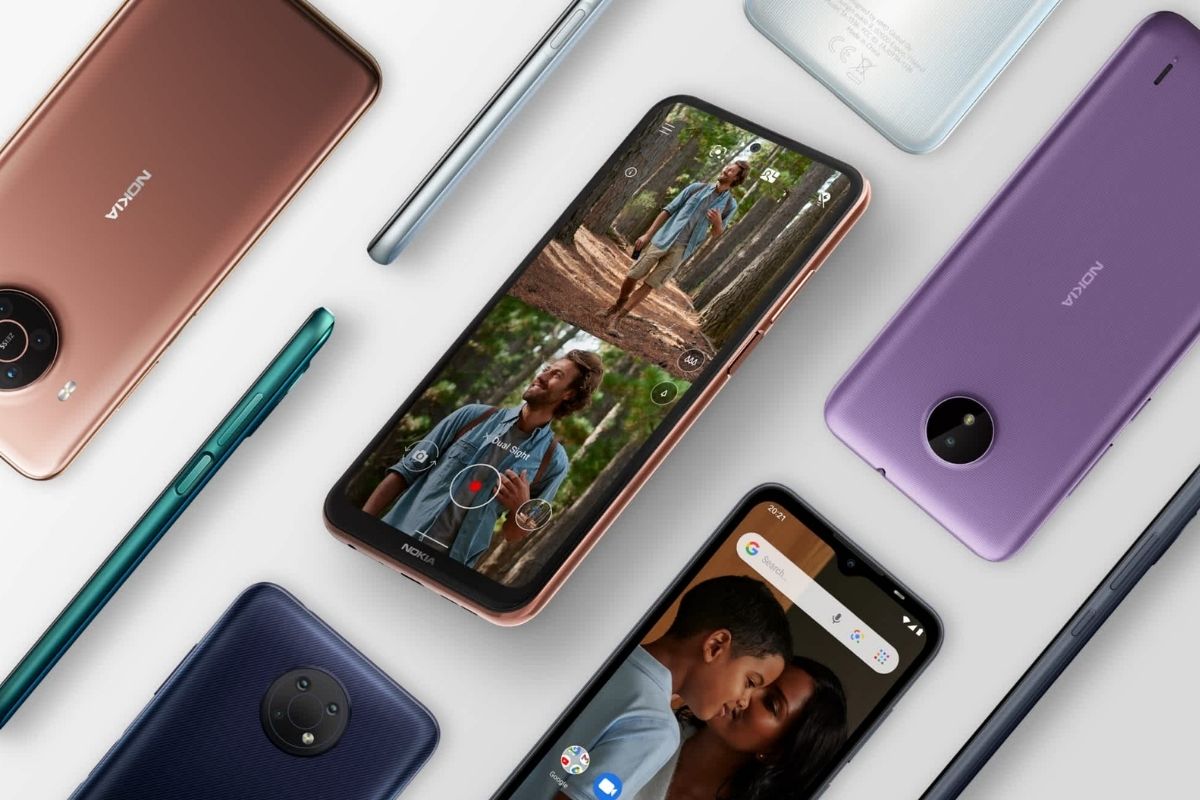
Nokia, to date, has been unable to get out of the slump that it entered in recent years, with the company resorting to odd choices such as the Pureview lineup that emphasised on-camera performance with a device that was terrible when it came to taking pictures.
As of now, the only thing that is technically leading to sales for Nokia remains its bone-stock Android skin which also receives key updates much faster in comparison to competitors, especially in the budget to mid-range segment.
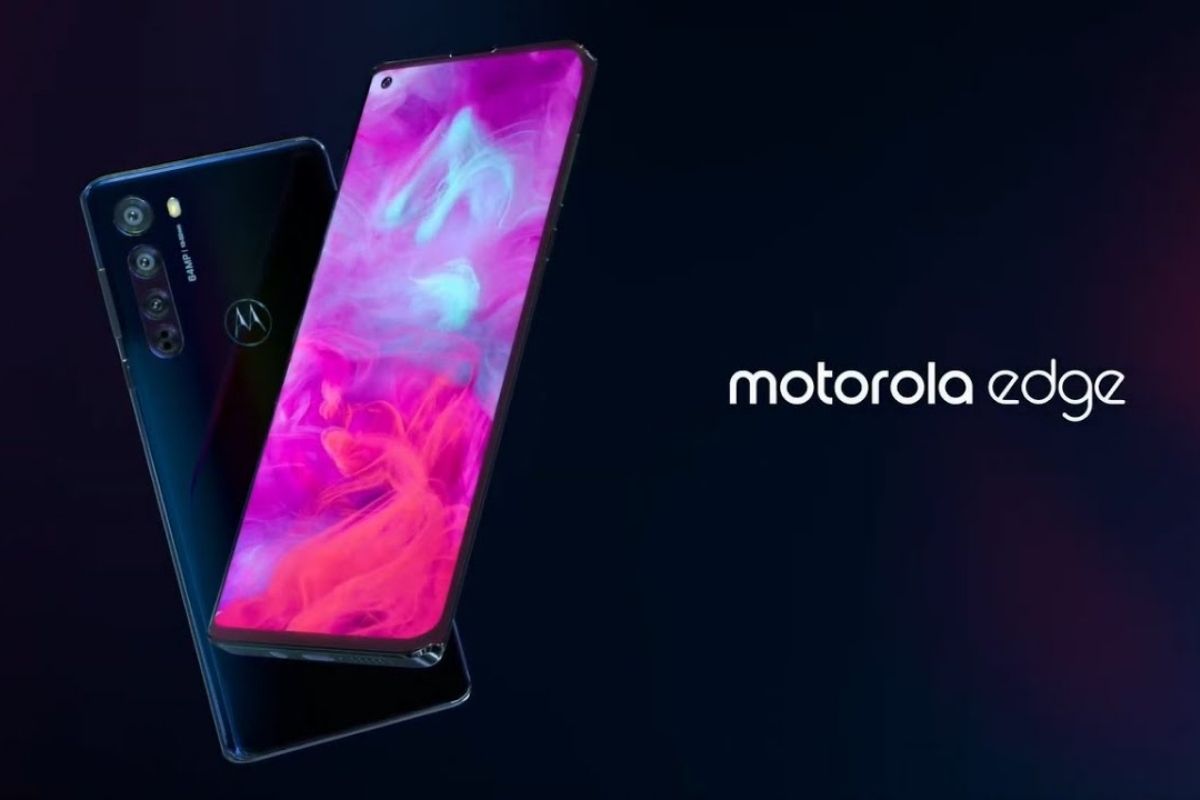
On the other hand of the spectrum is Motorola, who till very recently lacked both a good product and proper software support, resulting in the company falling back quite a bit, even in markets like India, where it once held a respectable position.
It seems, however, that the exit of LG from the market has put some added pressure on the back of Motorola, with the company providing much better specifications and a better value for money offering in the form of its recent Fusion series of devices.
It would be a real shame to see household names such as Motorola and Nokia quit the smartphone industry, but unless they sort out their shortcomings, sustaining themselves in the hypercompetitive tech space will only get tougher.
If this article saved you time or helped you decide better, consider supporting our work.
 Support Telecomtalk