Support Telecomtalk







Andrew Bonwick
Vice President of Product Development at Relm Insurance

Madhav Sheth
CEO of Ai+ Smartphone

Stephen Rose
CEO Render Networks



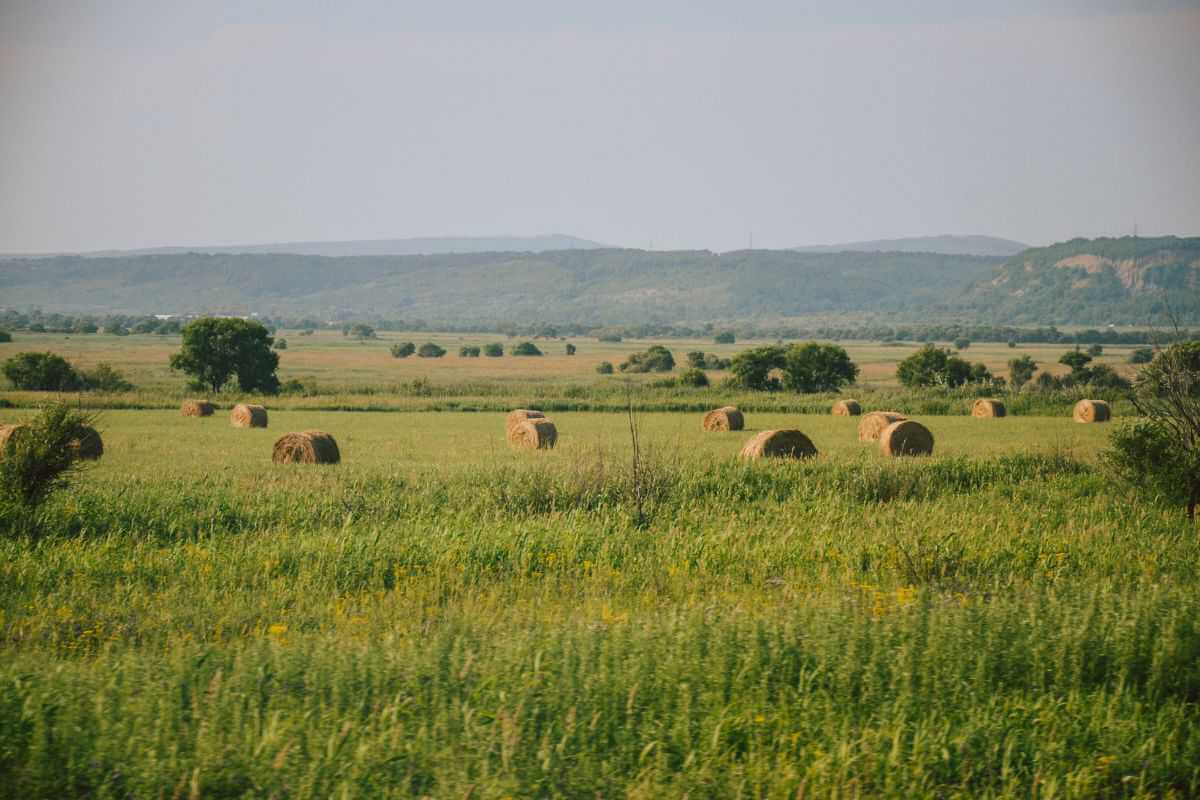
India’s agricultural productivity has recorded a steady rise despite a decline in average landholding size, according to data presented by the government. As per the Agriculture Census 2015–16 conducted by the Ministry of Agriculture and Farmers Welfare, the average size of operational holdings fell to 1.08 hectares from 1.15 hectares in 2010–11.
- Make Telecom Talk My Trusted Source



Rising Output Despite Shrinking Landholdings
However, total food grain production at the all-India level increased significantly from 265.0 million tonnes in 2013–14 to 357.7 million tonnes in 2024–25. Similarly, horticulture production rose from 277.4 million tonnes to 369.1 million tonnes during the same period, as per the third advance estimates, according to an official statement from the Ministry of Agriculture and Farmers Welfare dated March 27, 2026.



Government Push for Diversification and Income Growth
To ensure optimal use of land and improve farm incomes, the government said the the Ministry of Agriculture and Farmers Welfare has rolled out several initiatives focused on crop diversification, increased cropping intensity and enhance farmer’s income.
Under schemes such as the Rashtriya Krishi Vikas Yojana (RKVY) and the Crop Diversification Programme, states are being supported to adopt region-specific high-value crops, pulses, oilseeds, and horticultural crops. Other key programmes include Soil Health & Fertility (SH&F), Mission for Integrated Development of Horticulture (MIDH), National Mission on Edible Oils (NMEO)-Oil Palm and Oilseeds, Mission for Atmanirbharta in Pulses, Paramparagat Krishi Vikas Yojana (PKVY) for organic and sustainable farming, and Rainfed Area Development (RAD), which encourages farmers to adopt climate-resilient and diversified cropping systems.
ICAR’s Role in Technology and Climate Resilience
Further, the Ministry said the Indian Council of Agricultural Research (ICAR) conducts research programme to develop location specific varieties for enhancing the production, productivity of farmholdings and initiated several technological measures to increase the area under cultivation. These include location-specific solutions such as bio-engineering to check soil erosion due to run-off of rainwater, sand dune stabilisation, shelter belt technology to check wind erosion, and reclamation techniques for problematic soils in the country.