Support Telecomtalk







Andrew Bonwick
Vice President of Product Development at Relm Insurance

Madhav Sheth
CEO of Ai+ Smartphone

Stephen Rose
CEO Render Networks



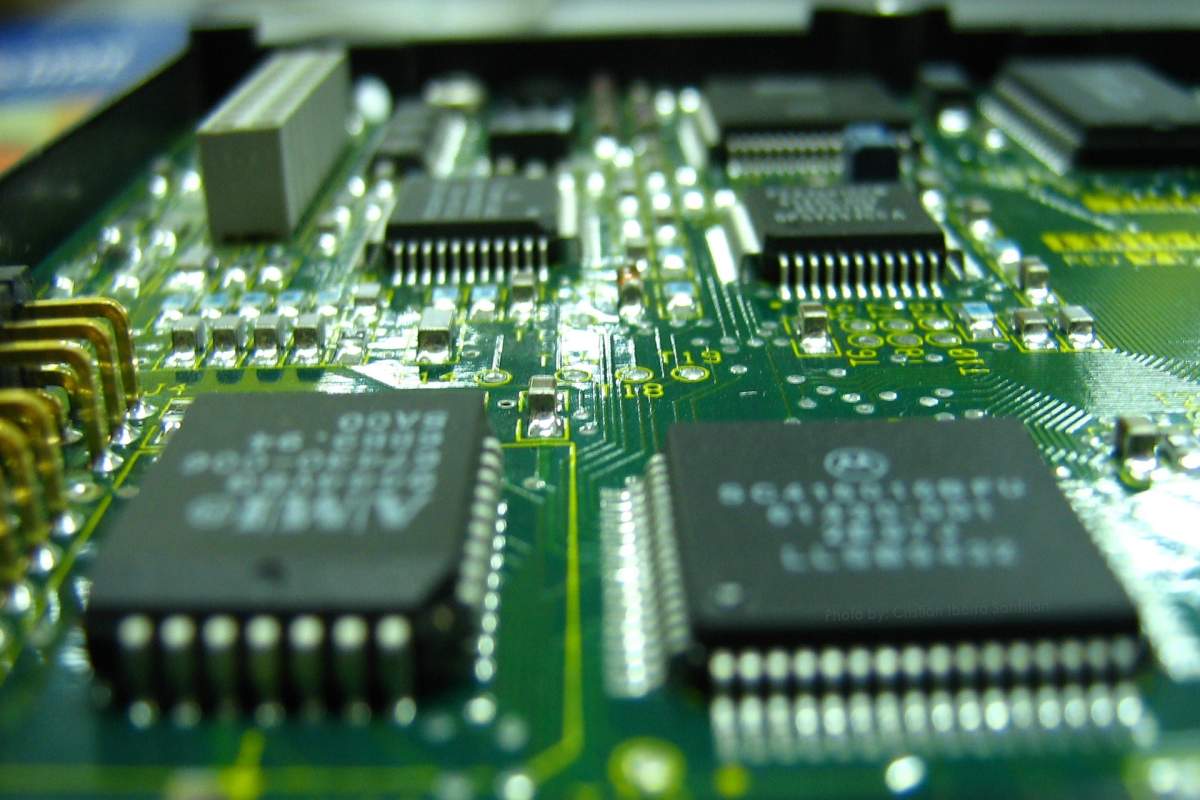
Rising cases of the Omicron variant of Covid-19 has swept the world off its feet and seemingly is going to affect the global chip market as well. The credit rating firm Moody’s has said that the ongoing global chip shortage will continue to prevail in 2022 as well, however, the situation wouldn’t get worse. It is expected that there might be a few production disruptions, but the situation is anticipated to remain in control all thanks to the greater vaccination status in the chip markets as well as an enhanced supply chain management by the chip-producing companies.



- Make Telecom Talk My Trusted Source



The Reason Behind the Chip Shortage and Current Scenario
The imbalance in the chip market began when the pandemic hit the world as supply was greatly affected due to the closing of factories and demand surged because of a shift in remote work culture. The imbalance between supply and demand worsened with time. The situation of global chip shortage majorly deteriorated during the spread of Delta variant in 2021 which affected the countries such as Taiwan, Japan, Malaysia, Vietnam and Korea which are some of the major semiconductor suppliers in the world. At that point in time, only about a quarter of the population in these countries was fully vaccinated.
The report from Moody’s reviewed by ET Telecom suggests that the situation wouldn’t go as bad as it did during mid-2021 as more than half of the population in these countries are now vaccinated. The initial wave of Covid-19 severely impacted the chip supply market because of their production model. Many of the chip suppliers followed the just-in-time manufacturing method and found themselves unprepared to deal with the shortage in supply of raw materials and other key factors such as chips and electronic components that hinder production.