Support Telecomtalk







Andrew Bonwick
Vice President of Product Development at Relm Insurance

Madhav Sheth
CEO of Ai+ Smartphone

Stephen Rose
CEO Render Networks



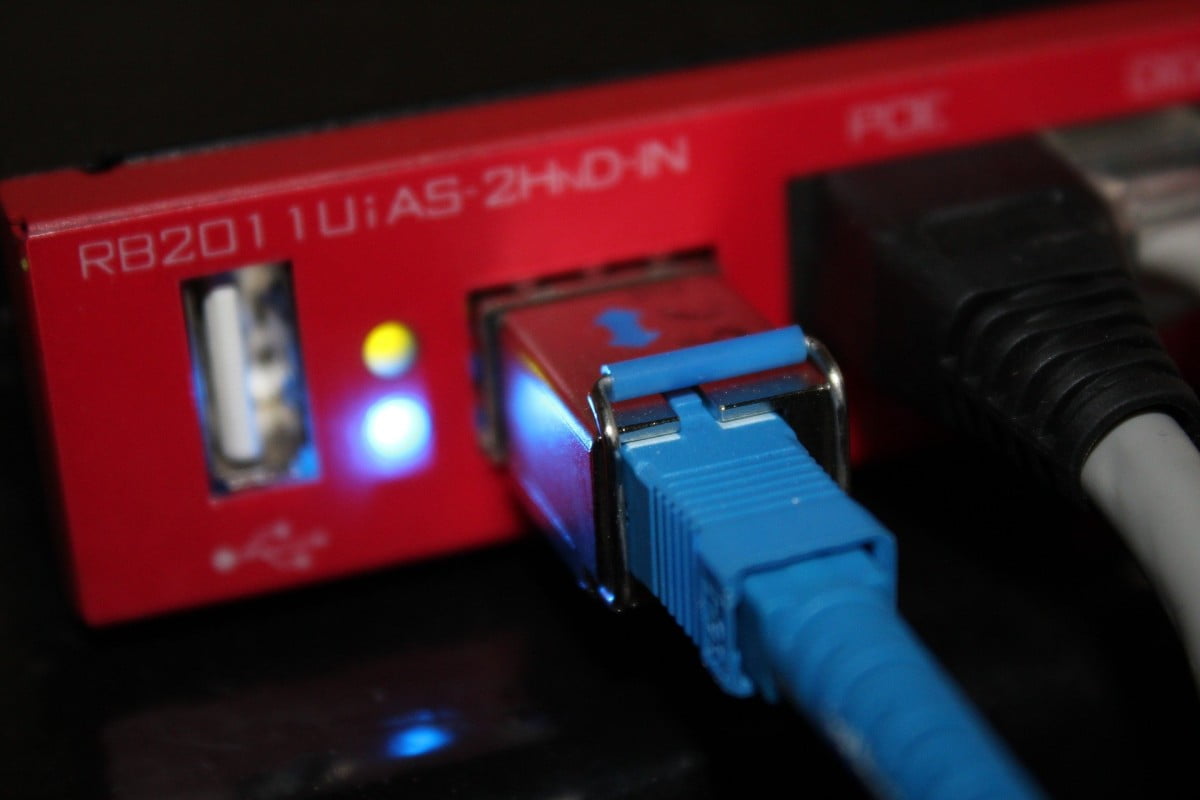
The internet has evolved very quickly in the last few years. Demands for data connectivity have risen multiple folds, and people rely a lot on their home wired broadband connections for getting reliable internet at fast speeds. There are three different types of wired broadband connections that users can choose from – fiber, direct subscriber line (DSL), and cable internet. Before you get an internet connection for your home, it is important to understand the differences between the three, so you can decide which one you should go for. Keep reading ahead to find out more.


- Make Telecom Talk My Trusted Source



Fiber vs DSL vs Cable Internet: Basics
Let’s start with the oldest technology in the room. DSL is the kind of internet connection where the data is transferred via telephone lines. The distinguishing thing between this technology and other technology is the use of copper wire for transferring data. The internet speeds with DSL cable are not that great. With DSL connections, the farther your home is from the telephone operator’s office, the weaker your internet signal will be.
Coming to the cable internet connection, this type of connection offers speeds up to 10 to 50 Mbps to the users. These also run on telephone lines, but instead of copper wires, they use coaxial cables so they can carry more bandwidth than a DSL connection. The speed doesn’t depend on the distance with cable internet connection like DSL. However, if more users living in a single area are connected to the same bandwidth, it will get distributed amongst them which can result in network congestion.