 Support Telecomtalk







Andrew Bonwick
Vice President of Product Development at Relm Insurance

Madhav Sheth
CEO of Ai+ Smartphone

Stephen Rose
CEO Render Networks



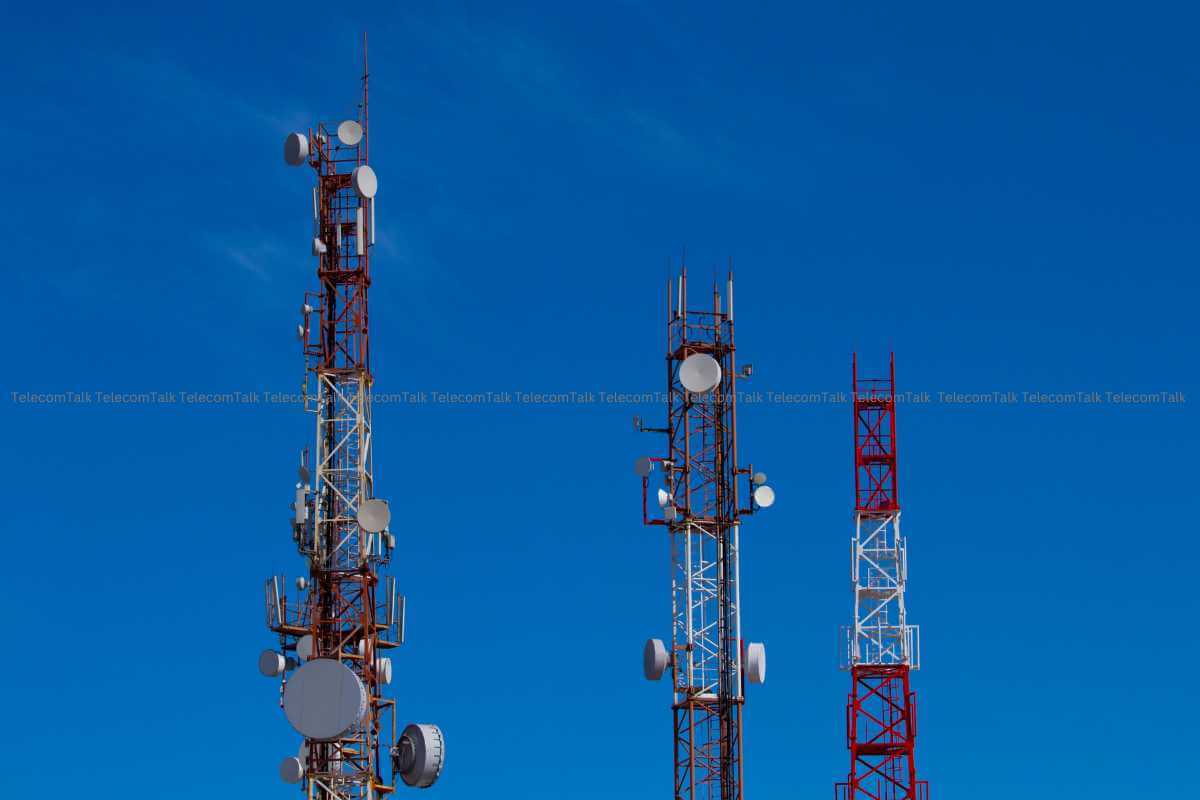
The Department of Telecommunications (DoT) has refused to reduce the licence fees of telecom operators, dismissing repeated calls from the industry and suggestions from the Telecom Regulatory Authority of India (TRAI). According to officials, the department has informed the industry that it has already taken many steps, and a lot has already been done to support the sector, and reducing levies will lead to a loss for the exchequer, ET reported.


- Make Telecom Talk My Trusted Source



Also Read: DoT Block Lost or Stolen Mobile Service Now Live for All Users in India
“During a recent meeting with industry, it was communicated to them that the government would provide supporting measures to the sector, but current levies won’t be reduced,” ET quoted an official citing anonymity.
DoT Turned Down TRAI’s Recommendation
The DoT has also turned down the TRAI’s recommendation to reduce the universal services obligation (USO) levy to 3% from 5%, claiming that this would result in a revenue loss. In 2015, TRAI recommended a reduction in levies, but the DoT has not responded to the regulator regarding the proposal or explained why it was rejected, as required by section 11 (1) of the TRAI Act. If the recommendations are dismissed, the DoT must provide an explanation, after which the Trai gets 15 days to modify its views or reiterate them. Finally, the DoT makes the final decision.
Also Read: DoT to Track State’s Performance Using DCRI: Report
Finance Ministry Declined the Proposal
Another official revealed that the DoT was compelled to revise its stance on levy reduction after the finance ministry rejected its proposal in 2019. “The DoT proposed to reduce levies based on the TRAI’s recommendations, but the finance ministry declined the proposal due to revenue loss,” the report quoted the official.