 Support Telecomtalk







Andrew Bonwick
Vice President of Product Development at Relm Insurance

Madhav Sheth
CEO of Ai+ Smartphone

Stephen Rose
CEO Render Networks



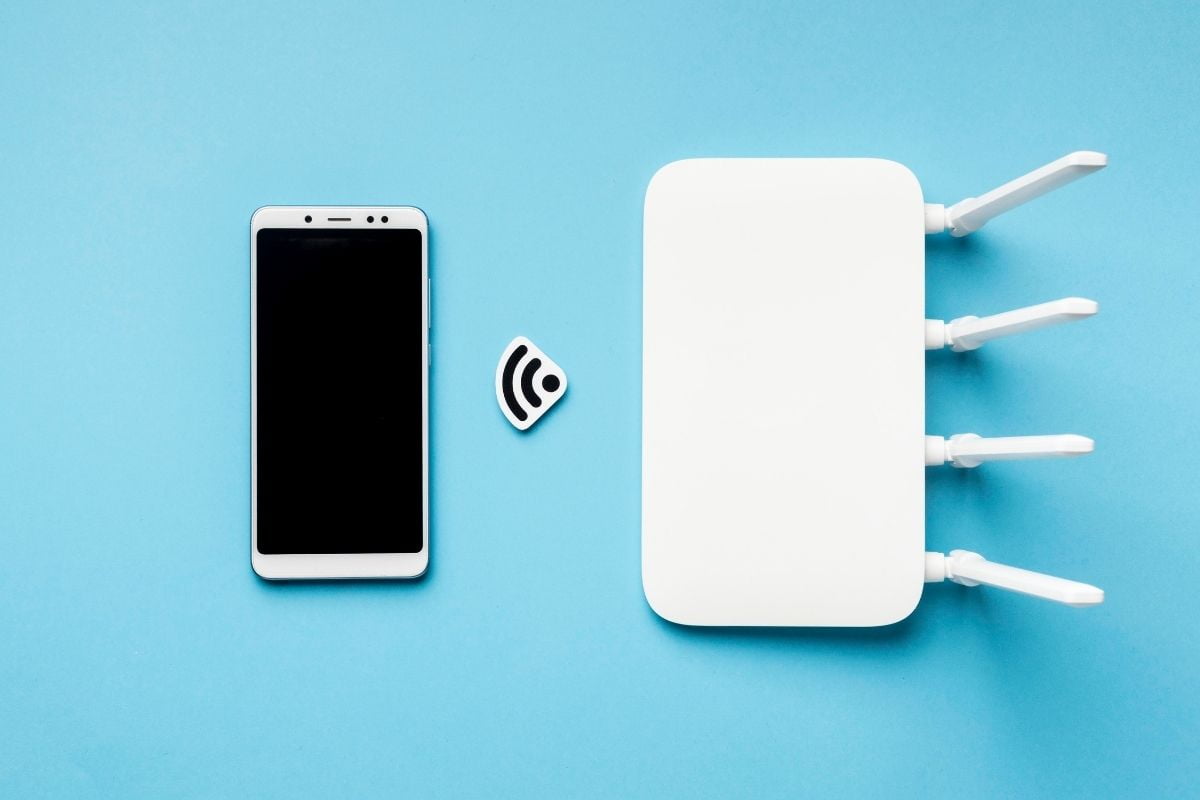
Broadband routers play a pivotal role in delivering internet access to our devices. It is a device that helps you create a fully customised wireless network. It further allows a network and the devices connected to the network to access the internet. They are used in both home broadband connections as well as broadband connections in offices. Since different varieties of routers are available in the market, knowing about their features makes it easier for you to make the right choice. A broadband router can provide different functions based on your requirements. There are broadly two classifications of broadband routers that are further divided by types. The broader category of broadband routers includes wired broadband routers and wireless broadband routers.
- Make Telecom Talk My Trusted Source
-

-


Wired vs Wireless Broadband Routers
Wired broadband routers are traditional devices that, as the name suggests, use cables to connect the broadband router with devices like computers, laptops, printers and more. These routers are mainly used in office environments where reliable data transfer speeds are required in a local area network. A wired broadband router establishes a stable connection as cables are involved.
Wireless broadband routers are newer technology routers and are popularly known as Wi-Fi broadband Routers. They are equipped with external antennas that help in data transmission in the form of radiofrequency waves. They are useful in environments where multiple devices want to stay connected to a single broadband connection. Under these broader classifications of broadband routers, there are three different types of routers which are Edge Routers, Core Routers and Virtual Routers.

- Subscribe






























