 Support Telecomtalk







Andrew Bonwick
Vice President of Product Development at Relm Insurance

Madhav Sheth
CEO of Ai+ Smartphone

Stephen Rose
CEO Render Networks



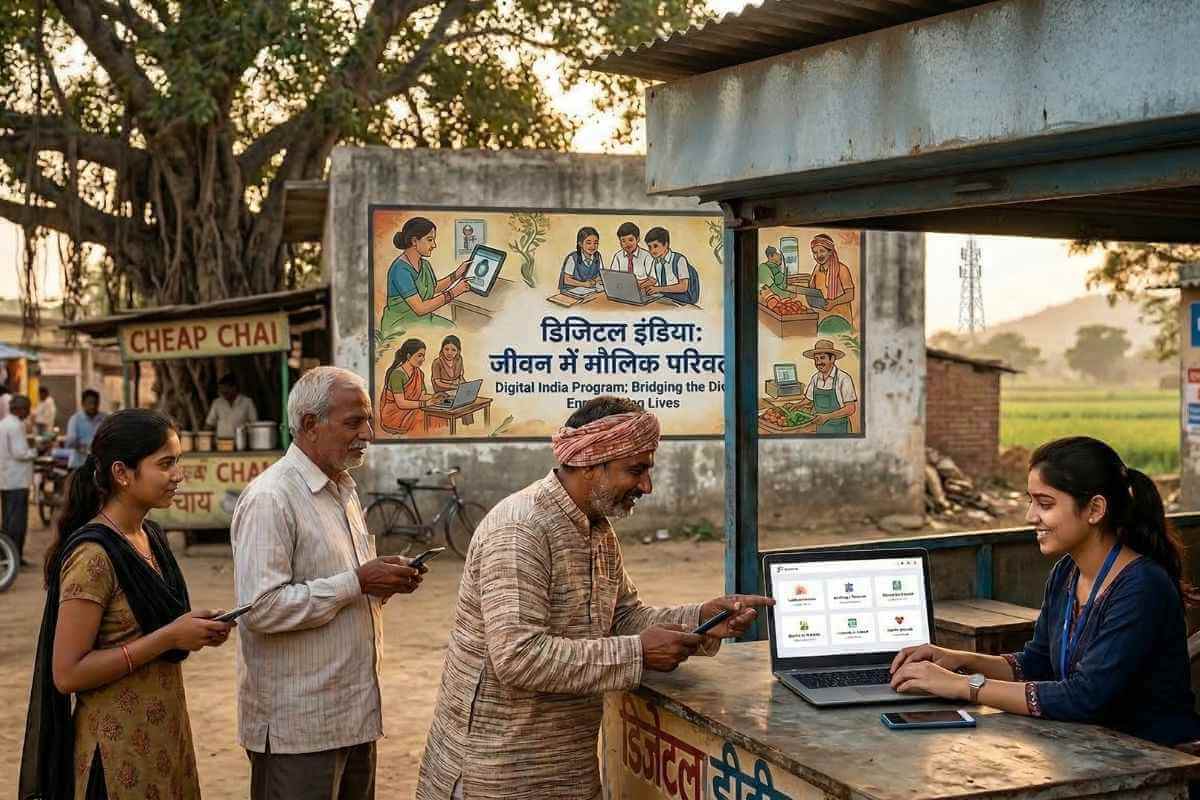
The Government of India’s flagship Digital India programme, launched in July 2015, has significantly transformed the country’s digital landscape by expanding internet access, improving affordability, and strengthening digital infrastructure, according to information presented in the Lok Sabha on Wednesday.
- Make Telecom Talk My Trusted Source



Internet Access Expands Rapidly Across India
The programme, aligned with the Prime Minister’s vision of democratizing technology, has focused on four key pillars: increasing internet access, making internet affordable, building digital public infrastructure, and enhancing digital literacy. These efforts have collectively enabled wider access to digital services and opportunities, thereby fostering inclusive and equitable digital growth across the country, according to a statement by the Ministry of Electronics and Information Technology dated March 18, 2026.
Official data indicates a sharp rise in broadband subscribers from 25 crore in 2014–15 to 103 crore in 2024–25, marking a 400 per cent increase. The number of mobile base transceiver stations (BTS) has grown from 7.9 lakh to 29.5 lakh, while villages with mobile connectivity (2G/3G/4G) have risen to 6.35 lakh, nearing universal coverage. Optical fibre deployment has expanded exponentially from 358 km to over 6.92 lakh km.
Data Becomes Cheap, Usage Surges
India has also witnessed a dramatic surge in data consumption, with average monthly usage per subscriber increasing from 61.66 MB to about 25.25 GB. Simultaneously, the cost of data has fallen sharply by 97 per cent, from Rs 269 per GB to approximately Rs 7.9, making internet services widely affordable. The government noted the 97 percent reduction in data cost.






























