Support Telecomtalk







Andrew Bonwick
Vice President of Product Development at Relm Insurance

Madhav Sheth
CEO of Ai+ Smartphone

Stephen Rose
CEO Render Networks



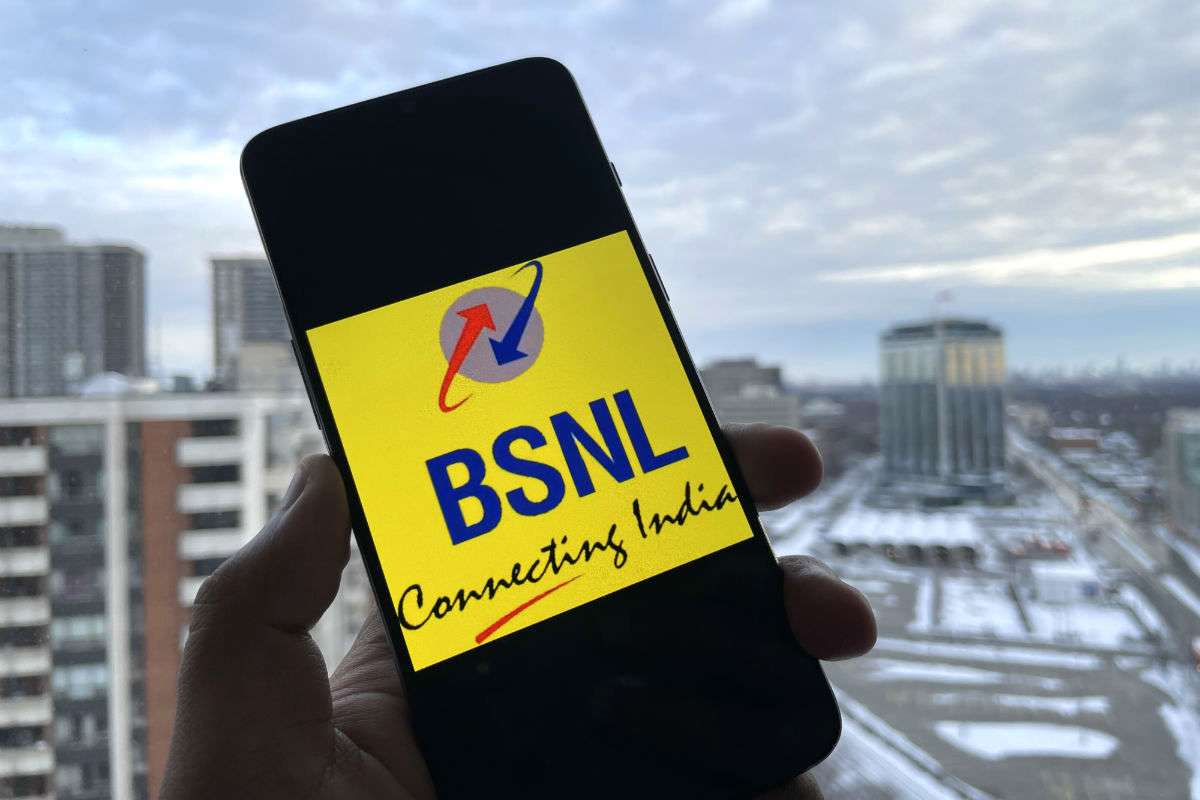
Bharat Sanchar Nigam Limited (BSNL), a state-run Indian telecom operator, is planning to launch 60,000 more 4G sites in the country. These sites are going to be an addition to the one lakh which have already launched. Out of these sites, over 98,000 sites have been comissioned so far. The additional sites are going to serve new and existing customers. But who are these customers anyway? Most of the users are either in rural areas where no other network is present, or the low paying customers who can’t afford anything else.


- Make Telecom Talk My Trusted Source



Read More – Vodafone Idea is Using Ciena’s WaveLogic 6 Extreme to Modernise Transport Network
BSNL’s comeback story doesn’t look as exciting today. If this were a private run business, BSNL would not exist today. The telco has been posting profits, has the lowest ARPU (average revenue per user) in the industry, is trying to rollout 4G, at an era where most telcos are already researching and prepping on 6G.
Yes, the success of BSNL would benefit the citizens immensely. But taking a pessimistic view on this, because well, there are hardly any positives, even after the 4G launch, BSNL would likely not succeed. Unless there’s a miracle, and a scenario where Vi customers flock in huge numbers towards BSNL. But even then, BSNL’s networks would likely not serve the customers well, because they are not even close to the service quality private telcos offer.
Read More – Airtel Rs 48 New Plan: Data Voucher with OTT Benefit