India’s television industry is slowly entering a new phase as more viewers start consuming content through internet-connected devices and smart TVs instead of relying only on traditional cable TV and DTH connections. This shift has now triggered a wider regulatory discussion in the country after the Telecom Regulatory Authority of India (TRAI) released a consultation paper seeking stakeholder views on whether internet-based linear television services including FAST platforms require a dedicated regulatory framework.
On the other hand, technology companies and streaming ecosystem players argue that internet-delivered television services are fundamentally different from traditional broadcasting systems as smart TV adoption and broadband usage continue to rise across India, the discussion around FAST TV is gradually becoming part of a much larger debate around the future of television distribution in the country.
What Is FAST TV?
FAST stands for Free Ad-Supported Streaming Television these are television channels delivered over the internet through applications, smart TVs and connected devices without requiring users to pay subscription fees.
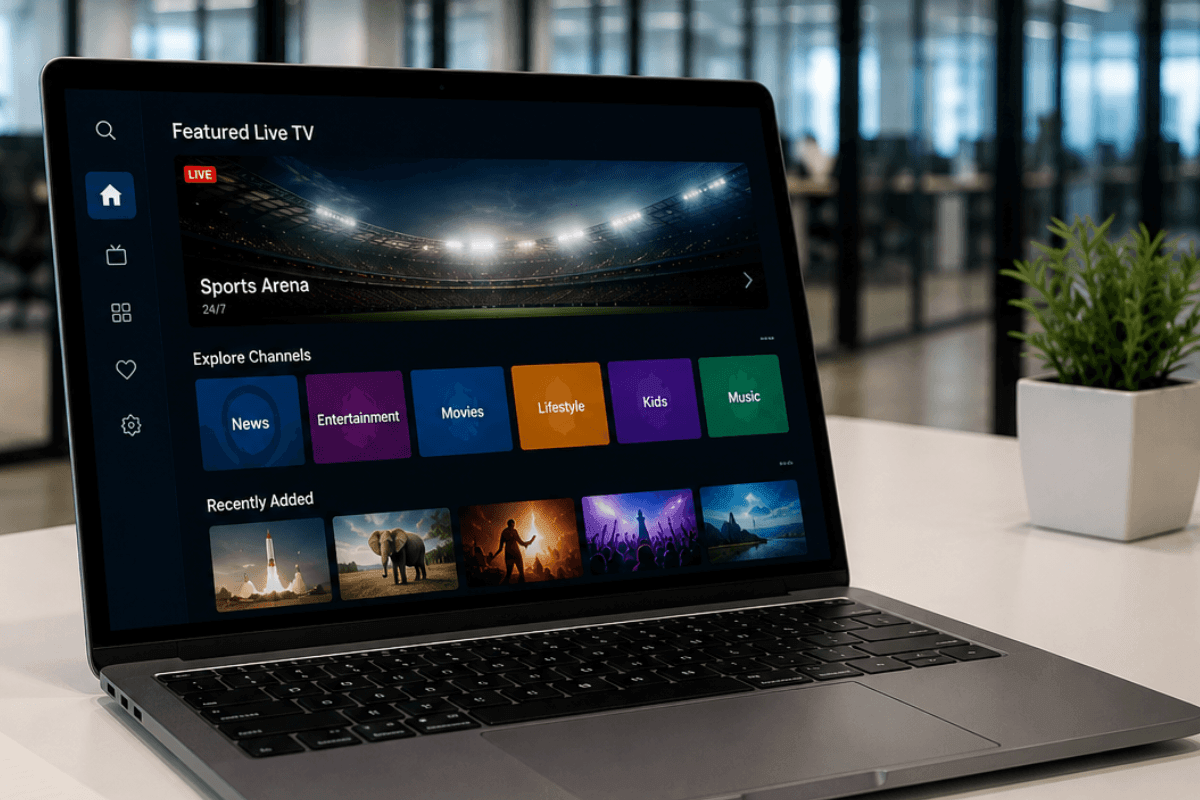
Unlike Netflix-style on-demand viewing where users select individual shows or movies, FAST services stream scheduled linear channels similar to traditional television users can simply tune into channels that continuously stream movies, entertainment shows, music, lifestyle programming, news and other content.
Globally, several smart TV and streaming platforms already offer FAST-style services India is also witnessing growing interest in app-based linear television distribution as connected TV adoption continues to increase.
Also Read: Jio Launches AI-Powered JioTele OS for Smart TVs in India
TRAI has broadly referred to these services as Application-based Linear Television Distribution (ALTD) Services in its consultation paper the regulator noted that these services distribute linear television channels to users through applications available on smart TVs, mobile devices, websites and other connected platforms.
Why Is TRAI Discussing New Rules?
TRAI recently released a consultation paper on the formulation of a regulatory framework for Application-based Linear Television Distribution Services including FAST platforms the regulator is examining whether these internet-based television distribution models require a separate framework as the broadcasting ecosystem continues to evolve.
One of the major reasons behind the discussion is that FAST services can resemble traditional television viewing because they offer scheduled linear channels through internet-connected platforms consumers today can access both traditional television channels and internet-delivered channels from the same smart TV interface.
The consultation paper explores several issues including definitions, authorisation requirements, consumer protection measures, content accountability and the overall structure of the emerging internet-based television ecosystem.
Why Cable and DTH Operators Are Concerned
Traditional cable TV and DTH operators in India function under a structured regulatory environment that includes licensing conditions, tariff regulations, interconnection rules and various compliance requirements linked to television distribution.
Industry stakeholders from the broadcasting sector have argued that FAST platforms and app-based television services are creating regulatory disparity and affecting the level playing field for regulated TV distribution players.
Also Read: How Jio’s 4G Feature Phones, the TV-Waala Phones, Changed the Way India Watches TV
According to their position, similar television viewing experiences should ideally have some level of regulatory parity. Industry associations have also raised concerns that some internet-based platforms may be carrying television channels without operating within the traditional broadcasting framework followed by regulated operators.
The rapid growth of connected TVs and internet-based television viewing is also gradually changing the competitive landscape for traditional television services.
Why Some Industry Stakeholders Are Against DTH-Style Rules
Technology companies, streaming ecosystem players and smart TV platform providers have raised concerns over applying traditional broadcasting-style regulation to internet-based services.
Their argument is that FAST platforms operate over the open internet and function differently from cable TV and satellite-based distribution systems. Some stakeholders believe heavy licensing structures or compliance obligations could impact innovation in a segment that is still evolving.
Also Read: Vodafone Idea Brings Microdramas to Vi Movies and TV Through Bullet App Partnership
Certain stakeholders have also argued that smart TV manufacturers and operating system providers mainly function as technology platforms rather than conventional television distributors.
Why This Discussion Matters
The FAST TV debate highlights the broader transformation taking place within India’s television industry. Television consumption is increasingly moving beyond traditional cable and satellite infrastructure as connected TVs, broadband networks and app-based content delivery continue to grow.
For consumers, FAST services offer another way to access television channels through internet-connected devices without additional subscription costs for the industry, however, the rise of app-based television distribution raises important questions around competition, regulation and the future structure of television delivery models in India.
The outcome of TRAI’s consultation process could play an important role in shaping how internet-delivered television services evolve in the coming years. As viewing habits continue to change, the line between traditional TV and internet-based TV is slowly starting to blur.
Some people read for free. A few choose to support. If you found TelecomTalk useful, you can help keep us running.
FAQs
What is FAST TV?
FAST stands for Free Ad-Supported Streaming Television. These are television channels delivered over the internet through smart TVs, applications and connected devices without requiring subscription fees.
Why is TRAI discussing FAST TV regulation?
TRAI is examining whether internet-based linear television services including FAST platforms require a separate regulatory framework as smart TV and connected TV usage continue to grow in India.
Why are cable TV and DTH operators concerned about FAST TV?
Cable TV and DTH operators believe FAST platforms are creating regulatory disparity because they compete in the television distribution ecosystem while operating under lighter regulatory conditions.
What does ALTD mean in TRAI’s consultation paper?
ALTD stands for Application-based Linear Television Distribution Services. TRAI has used this broader term to include FAST services and other app-based linear television distribution platforms.
How is FAST TV different from Netflix?
Unlike Netflix-style on-demand viewing, FAST TV streams scheduled linear channels similar to traditional television channels.
 Support Telecomtalk