Support Telecomtalk







Andrew Bonwick
Vice President of Product Development at Relm Insurance

Madhav Sheth
CEO of Ai+ Smartphone

Stephen Rose
CEO Render Networks



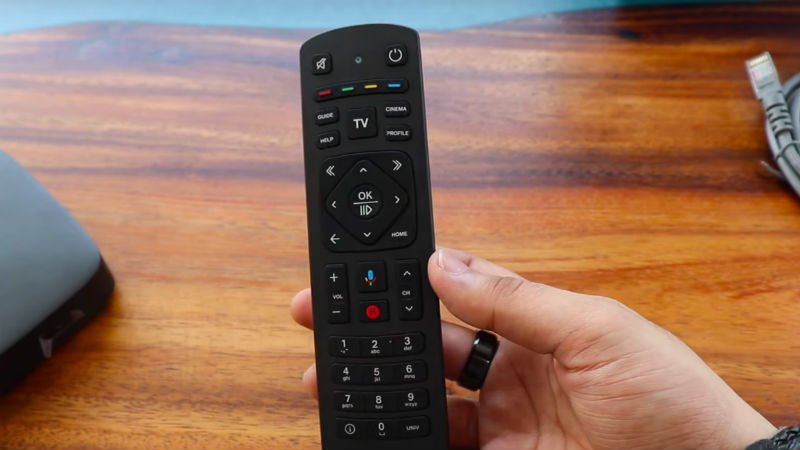
The Telecom Regulatory Authority of India (Trai) launched new DTH rules right on the first day of the year. While 2019 was all about shifting to the new Trai tariff regime, it seems that Trai is wanting to make 2020 all about changing the Trai tariff regime. In the second half of last year, Trai admitted that it might have overlooked some of the things while bringing the National Tariff Order (NTO) into effect. To patch things up, Trai worked on some of the measures and then introduced the amendments to the Trai tariff regime. But, looking at the new changes which Trai has made, the broadcasters and the TV channels owners are definitely not feeling good. The broadcasters in the Indian broadcasting industry have all come together and raised their voices against the new rules which have been brought for all. On the surface, these rules look good for the consumers and might save them some money, but for the broadcasters, it might be opposite.
- Make Telecom Talk My Trusted Source





Discount Capped on Channel Packs
The major issue with the new Trai DTH rules is the discount cap and the disparity with which Trai has dealt with DPOs (Distribution Platform Operators), DTH companies and the broadcasters. For the DTH companies, there has been a limit set on Rs 160 NCF, which is the maximum that can be charged from the consumer, no matter how many channels they watch or subscribe to. On the other hand, for the broadcasters, there is no discounting allowed on the channel packs. Further, the pricing of the channel, which can be included in a channel pack has been brought down to Rs 12 per month. Meaning that if a channel is to be included in a pack, then it will have to be priced Rs 12 or lower.