Support Telecomtalk







Andrew Bonwick
Vice President of Product Development at Relm Insurance

Madhav Sheth
CEO of Ai+ Smartphone

Stephen Rose
CEO Render Networks



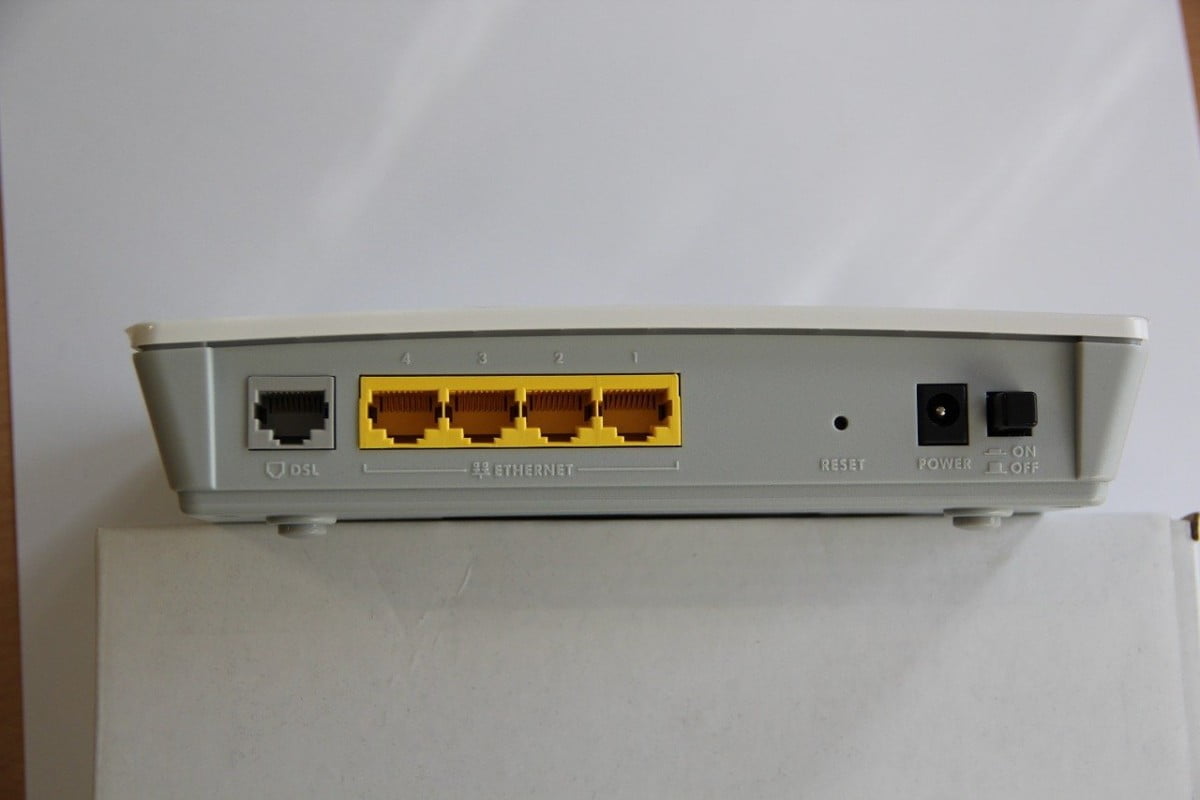
With the number of wireless gadgets and connected devices growing every day, home network security has become increasingly important. Most devices – from smartphones and TVs to security cameras and baby monitors — are connected to a single internet access point, making security breaches easier. Beefing up your Wi-Fi network security is the first step, and you do not need to be a tech expert in safeguarding your network. In this article, we explore a few methods by which you can secure your home network.



- Make Telecom Talk My Trusted Source



Steps for Securing Broadband Wi-Fi Connection
Change the default login credentials of your home network: The essential thing to do to secure a home internet connection is to immediately change the default name and password supplied with your Wi-Fi connection. Dubbed as Service Set Identifier (SSID), leaving it at its default name will help hackers identify the type of router you are using. While changing, try not to put a piece of obvious information like your name or birthday as a login credential. You can change SSID by following the below steps:
- Open Windows Command Prompt
- Type ‘ipconfig’
- Locate your IP address
- Type your IP address to a URL
- Enter router’s login credentials
- Open Wi-Fi settings
- Change SSID and password
Enable Wi-Fi network encryption: Most WPA, WPA2, and WPA3 routers offer an encryption option. You can enable network encryption by visiting Wi-Fi settings. Once enabled, your router will transfer only encrypted data across your network, which will prevent spying on your Wi-Fi network without logging into your network.
Enable firewalls: Most Wi-Fi routers come with built-in network firewall options to prevent any network attacks from intruders. Wi-Fi router firewalls are often not enabled by default, and you must login to Wi-Fi settings to enable it. Enabling a firewall may slow down your internet speed. In that case, remember to turn off firewall settings while doing tasks that require high speed, like gaming or streaming HD videos.