 Support Telecomtalk







Andrew Bonwick
Vice President of Product Development at Relm Insurance

Madhav Sheth
CEO of Ai+ Smartphone

Varun Kashyap & Sridevi Reddy
Co-Founders, Zithara.ai
Transforming Indian Offline Retail and Customer Engagement Using AI


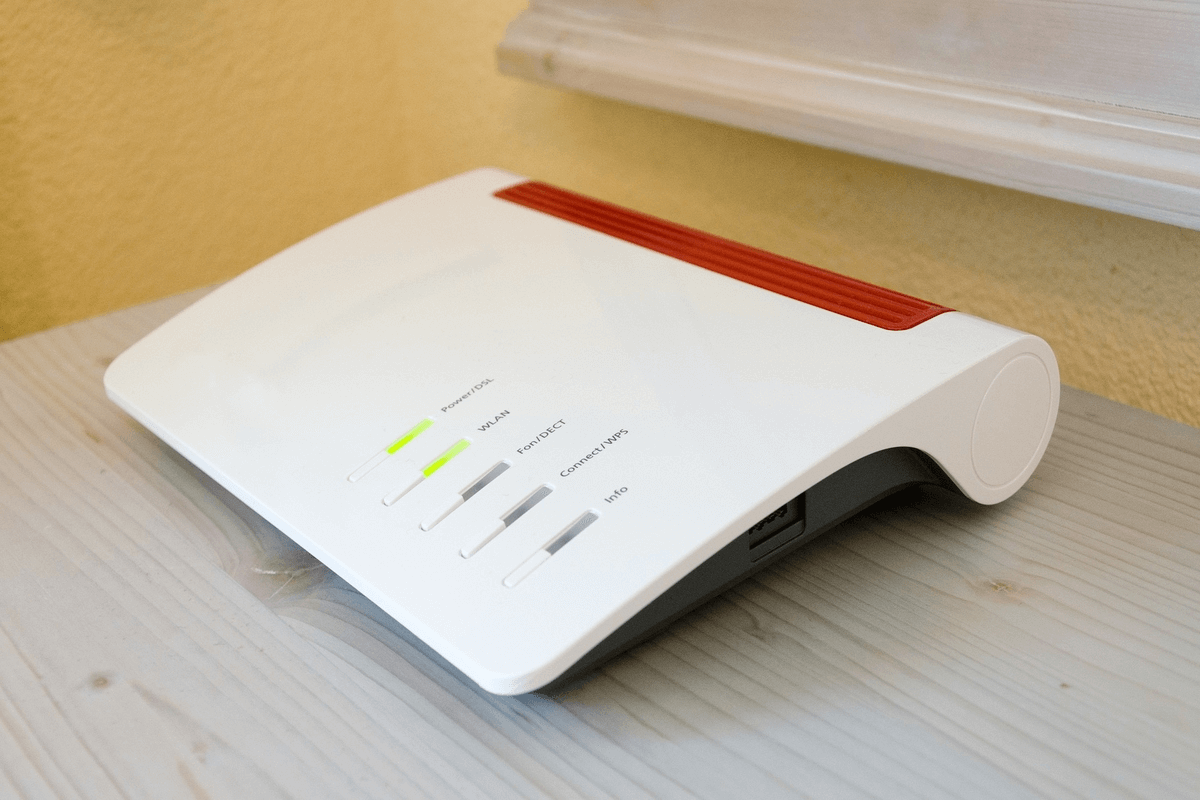
The Internet has become a necessity in our lives, with our dependence increasing on the internet more and more every day. With a drastic increase in the use of the Internet, security while accessing the internet becomes of primal importance. The Wi-Fi network we connect to at our workplaces is highly secured to avoid any security threats to the company and its data. Such internet security should also be ensured with a home internet connection through a reliable broadband provider.
- Make Telecom Talk My Trusted Source



Regardless of the fact that you have an unlimited data pack or not, it is always advisable to secure your internet connection as it can have serious implications. If your Wi-Fi network is not secured, anyone can simply connect and access your personal information like your browsing history, your passwords and any other personal data that you shared on the internet. They can also access the internet using your internet connection that would mean slow speed for you as more devices are connected to one single connection. There are a lot of ways to secure your home Wi-Fi connection.
Enabling Encryption on Your Wi-Fi connection
Encryption is the most common and foremost step while setting up your internet connection at home. In simple terms, this means setting up a password to access your personal Wi-Fi network. WEP or Wired Equivalent Privacy is an outdated type of encryption that required the use of an encryption key. This was relatively easy for a hacker to guess and hack. WPA or Wi-Fi Protected Access is a newer type of encryption that succeeds the WEP technology and requires a passphrase to secure the connection. WPA2 is currently the more secure and reliable encryption available for wireless connections.
Changing the SSID Name and Disabling SSID Broadcast
Your home Wi-Fi connection needs to have a unique name of its own which is also known as Service Set Identifier (SSID). Having a unique name for your connection makes it difficult for the hackers to know what type of router you are using. Once you have changed the SSID name, you should also disable the SSID Broadcast. This is automatically enabled initially and can be manually disabled. Disabling the SSID Broadcast would ensure that only the people who have your SSID name can access your Wi-Fi connection.






























