Support Telecomtalk







Andrew Bonwick
Vice President of Product Development at Relm Insurance

Madhav Sheth
CEO of Ai+ Smartphone

Varun Kashyap & Sridevi Reddy
Co-Founders, Zithara.ai
Transforming Indian Offline Retail and Customer Engagement Using AI


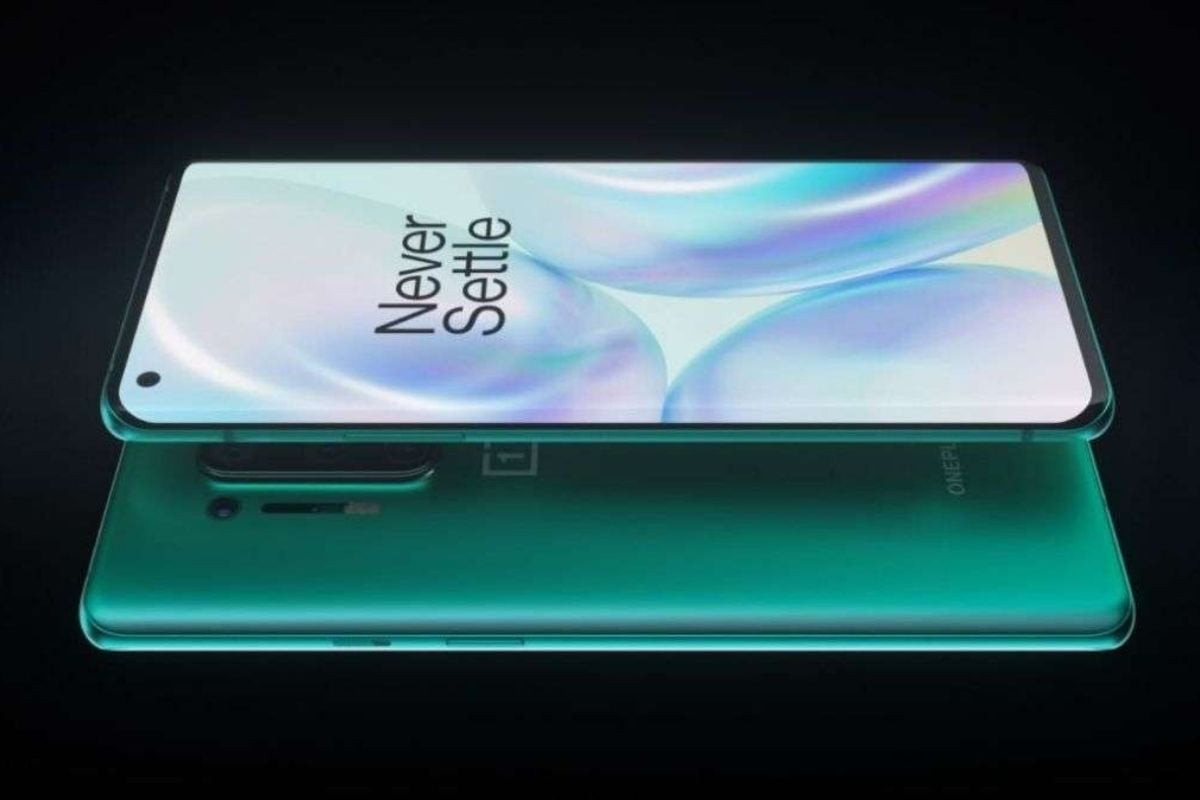
Devices with curved displays had come under much flack in recent months, despite being tipped as the next best thing when it came to the smartphone display. This technological advancement, upon launch, became quite controversial to the point that certain companies went back to flat displays.
- Make Telecom Talk My Trusted Source



To some, they might seem more flashy and attractive, whist to some, they make look odd. Despite both sides making rational points, you might be confused as to whether or not you should buy into the curved smartphone display hype. If you too were perplexed about this, fret not, as we will list out the pros and cons of a curved display and whether or not they make sense.
Before we begin, you might be interested to know that the first proper implementation of the curved display on a well-known smartphone came through Samsung’s Galaxy Note Edge. Since its inception, the concept has gone through multiple changes, with steeper curves and better durability.
Pros Of a Curved Display
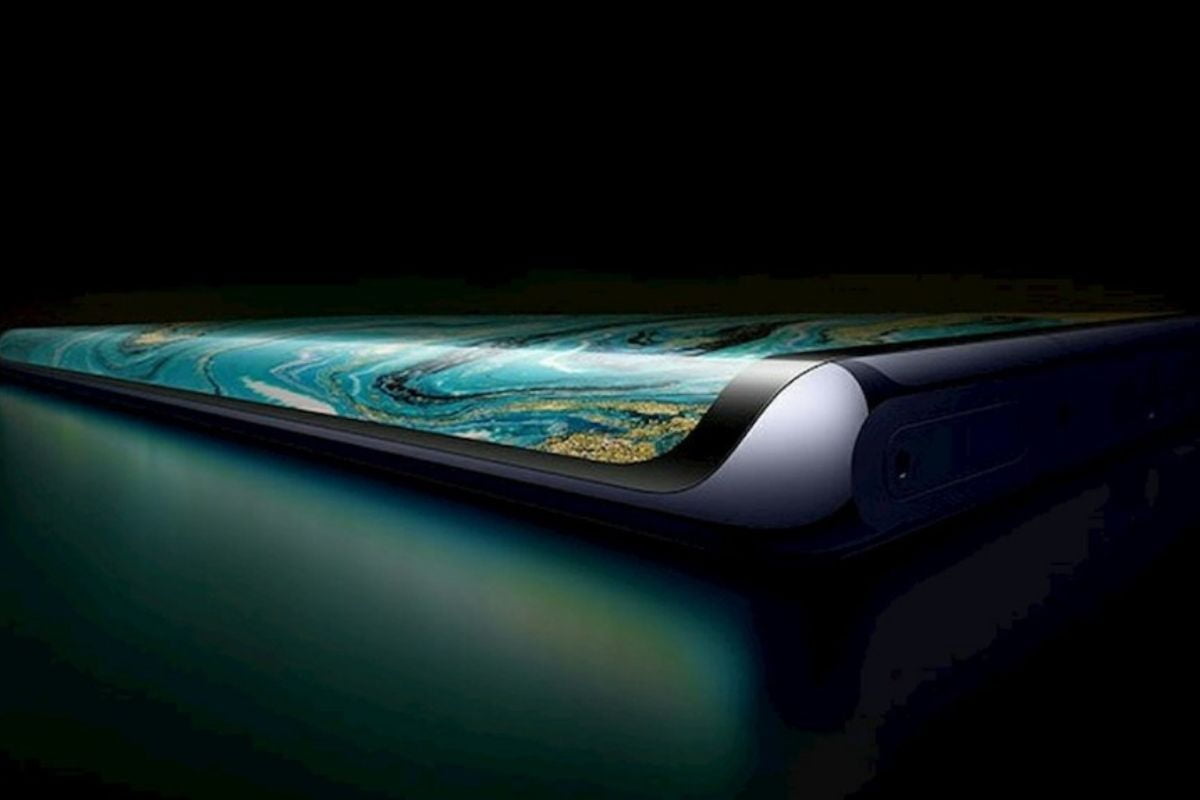
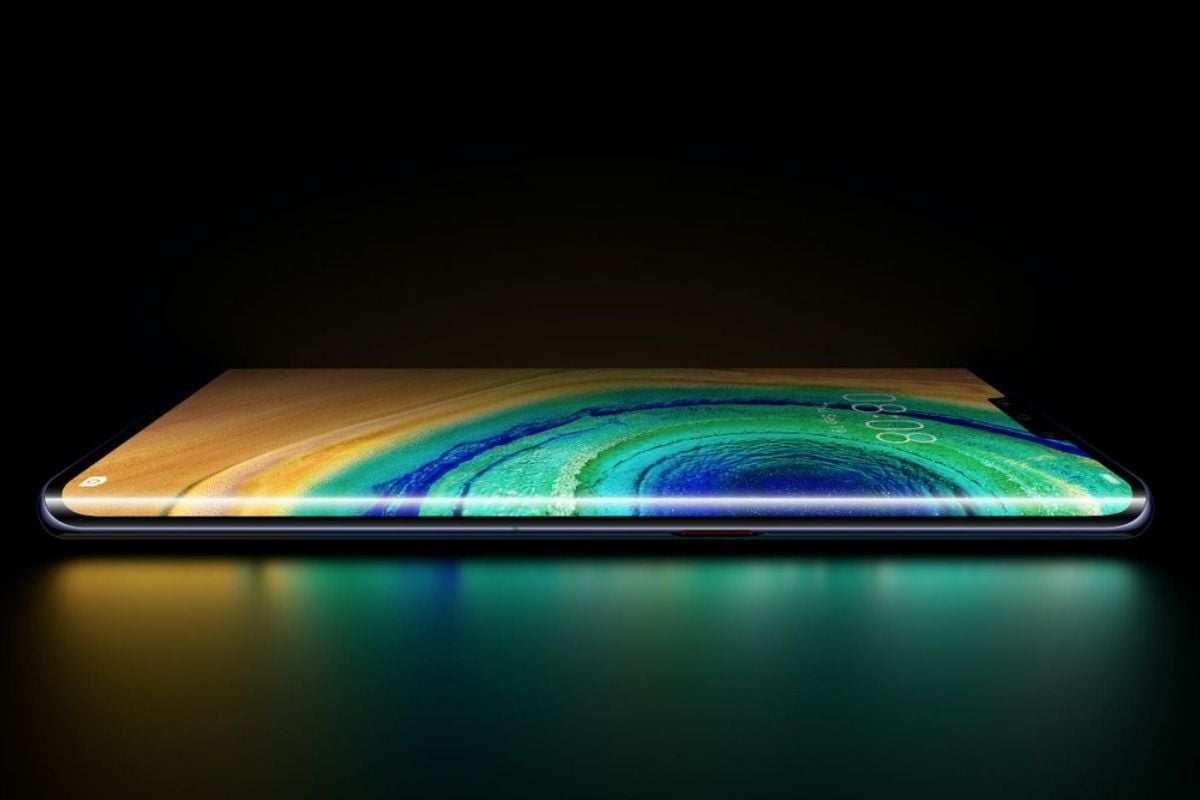
The most important reason for people liking curved displays isn’t the innovation or the functionality; it is actually the design. Yes, looks are subjective, but to most people, the curved display seems much more premium. There are certain devices that manage to look good with flat edges, such as the iPhone, but most of them lose out to curved displays that seem to drop off at the edge.
Another positive of the curved display is the amount of depth that you feel holding the device. With a curved phone, it is much easier to tap the buttons with your thumbs. Holding a phone horizontally during gaming sessions or watching content is also easier since the balance and overall weight seems a bit less and, during longer sessions of usage, you can feel the difference quite well.