Support Telecomtalk







Andrew Bonwick
Vice President of Product Development at Relm Insurance

Madhav Sheth
CEO of Ai+ Smartphone

Stephen Rose
CEO Render Networks



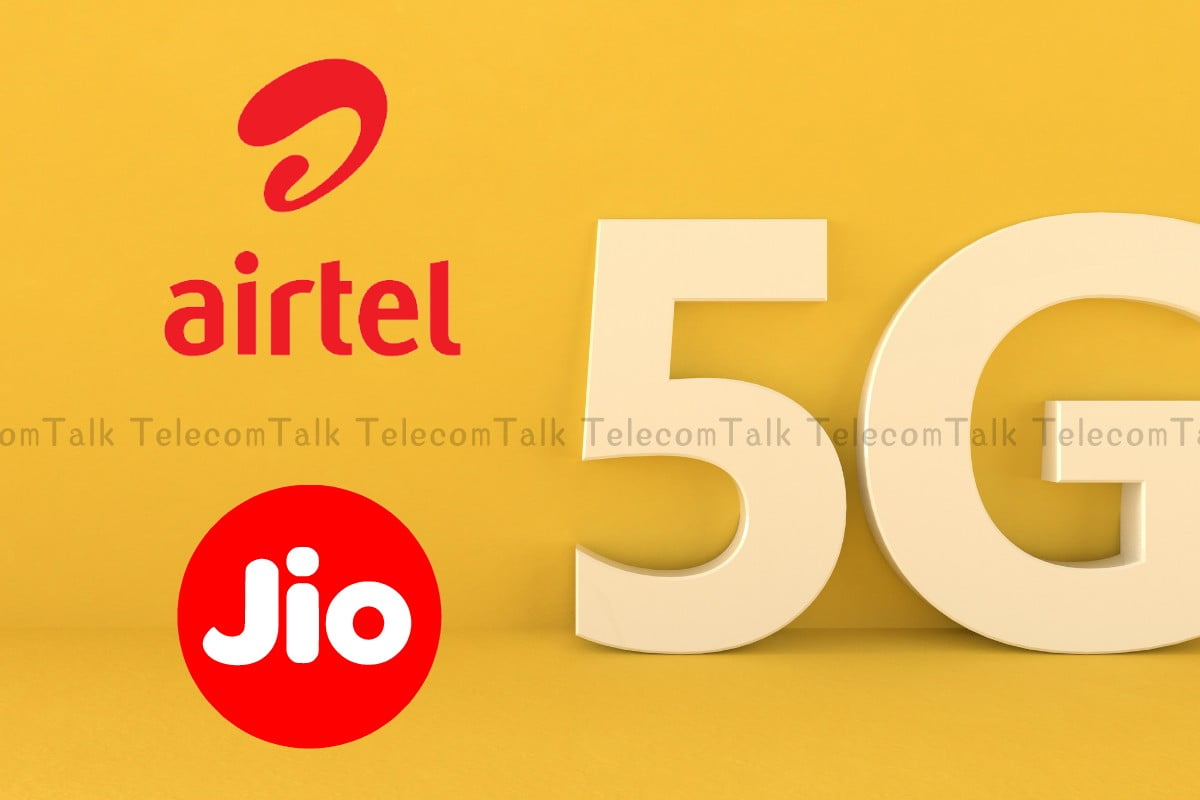
Reliance Jio and Bharti Airtel, two of the leading telecommunications players in India, have different strategies for rolling out 5G. But both are aiming to do it in the least time possible. While monetising 5G is still something that the industry is figuring out, the telcos want to reach everywhere possible with their 5G networks. To let users experience 5G and get used to it, telcos are offering it at no additional cost to 4G subscribers. With 4G, Jio and Airtel emerged at the top, with Vodafone Idea (Vi) following behind. The same is going to be with 5G.

- Make Telecom Talk My Trusted Source



But 5G is not just going to be like 4G. It won’t just be about the mobile consumers. With 5G, telcos can unlock several new revenue streams with the enterprises. The use cases of 5G that have already been demonstrated are just like scratching the surface, the real deal is yet to come. The tech and telecom industry is betting on 5G to revolutionise the future, and there’s no doubt that it will do that. But at the forefront of it stand the telecom service providers (TSPs) that will be ensuring that 5G coverage can reach every part of the nation.
Read More – Will Offering Free 5G Really Push Consumers to Pay for it Someday
One thing that the telcos haven’t started deploying yet is the mmWave 5G. Don’t get me wrong, I don’t mean that mmWave 5G on the 26 GHz and 28 GHz bands is going to be for the end mobile consumers. Telcos would be deploying mmWave 5G only for enterprises. mmWave 5G’s coverage is negligible, and it requires a lot of small cells to be placed near each other for a decent experience. To do that at scale for the consumers would become super expensive, something that the telcos won’t be able to get a return on for several years.