Support Telecomtalk







Andrew Bonwick
Vice President of Product Development at Relm Insurance

Madhav Sheth
CEO of Ai+ Smartphone

Stephen Rose
CEO Render Networks



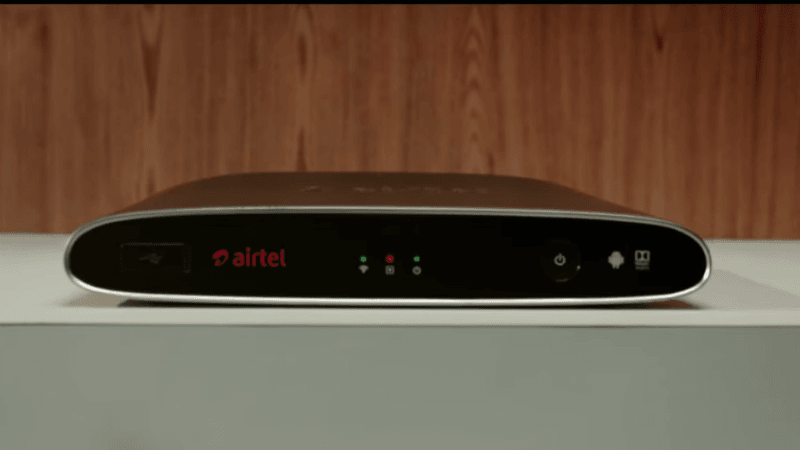
In the past few years, just like the telecom sector has undergone a breakthrough via new technology, the broadcasting industry has also experienced something similar. The coming of modern technology has surely inflated and hastened the speed of this ever-growing industry, and now it offers services which were previously unavailable. We are talking about services like IPTV (Internet Protocol TV). While there exist other forms of television like the DTH, HITS, cable TV, Digital TV, what remains ahead of the curve is the IPTV technology. We have compiled this article so that you can take an in-depth look at how IPTV service differs from a standard DTH or cable TV connection.
- Make Telecom Talk My Trusted Source






IPTV vs DTH Connectivity and Differences
The first difference between IPTV or any other form of signal relay is seen in the form of connectivity. As the name suggests, the IPTV uses the line which is also usually used by the subscribers to get broadband connectivity to their homes. This is a digital broadcast methodology, and it is an addressable mode using the Internet Protocol. It is worth noting that currently, the IPTV technology remains in very nascent stages in India, so the Telecom Regulatory Authority has said that the existing regulatory framework for addressable systems applies to IPTV services as well.
Now to put things in perspective and to differentiate IPTV as compared to DTH it is crucial to know that the most significant advantage that DTH has over any other form of connection is the accessibility in any region. Unlike a wired connection, a DTH connection can be availed in any part since it is based on satellite communication and facilitated through a dish which is positioned in subscriber’s premises directly. DTH also comes with some of the advantages of Digital TV like quality programming, on-demand channels, and more, however, the only drawback with DTH is that the signal might break during rains and other weather conditions.