 Support Telecomtalk







Andrew Bonwick
Vice President of Product Development at Relm Insurance

Madhav Sheth
CEO of Ai+ Smartphone

Varun Kashyap & Sridevi Reddy
Co-Founders, Zithara.ai
Transforming Indian Offline Retail and Customer Engagement Using AI


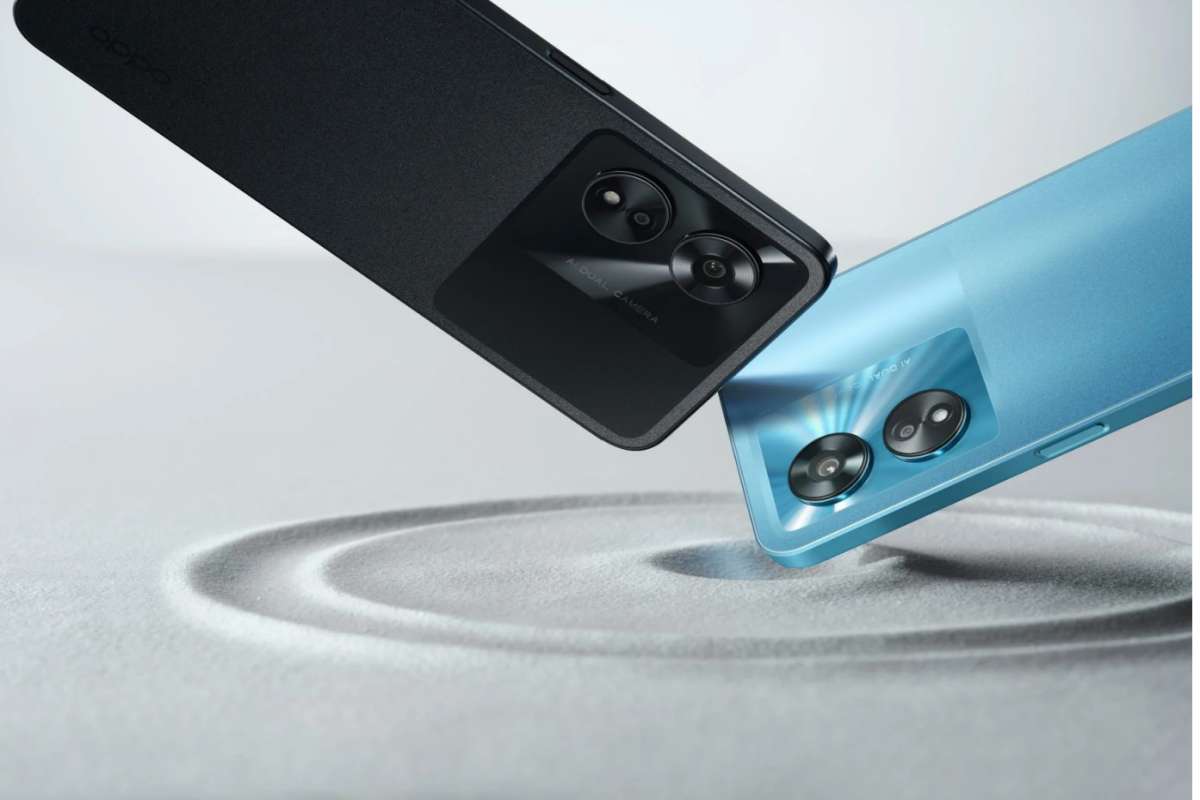
As per Counterpoint Research’s Monthly Indonesia Smartphone Channel Share Tracker, the number of 5G sales volume to Indonesia increased by 159% YoY in Q2 2022. Leading this growth were Samsung, OPPO, Vivo, and Xiaomi. In order to accommodate the most recent communication technology, 5G smartphones have better, more recent specifications. Overall, they are therefore a superior option to a 4G smartphone in the same price range. Consumers may think about 5G to maintain their smartphone future-ready after selecting their preferences for normal specs like RAM, display, and battery. Therefore, until 5G services are made available to them by the operators, customers treat 5G as a value addition. This aspect is what is fueling the increase in 5G cellphones.
- Make Telecom Talk My Trusted Source



The Mid-Price Class Is Losing Market Share to 5G Smartphones
Redmi and Samsung, whose Note 10 5G and A22 series handsets have both been on the market since H1 2021, are the main drivers of growth in the lower tiers thanks to persistent consumer demand. Apple and Samsung hold a near 60% share of the premium market. It’s interesting to note that the mid-price section of the 5G smartphone industry is losing market share, with the sub-$350 and >$500 price bands accounting for about three-quarters of all shipments. The dominant mid-band from last year lost more than 50% of its share year over year in Q2 2022. The mid-price tier may become less popular as a result of the allure of 5G smartphone specifications in the sub-$350 price range. Customers choose 5G smartphone pricing around $350 due to the competitive ROM, RAM, and battery features.
The rollout of 5G networks has been limited since they were first made available in Indonesia in 2021, and the operators have decided to concentrate more on catering to the manufacturing industry. Contrarily, 4G has a significantly greater number of customers. However, the nation has seen an upsurge in the sale of 5G devices.






























