Support Telecomtalk







Andrew Bonwick
Vice President of Product Development at Relm Insurance

Madhav Sheth
CEO of Ai+ Smartphone

Stephen Rose
CEO Render Networks



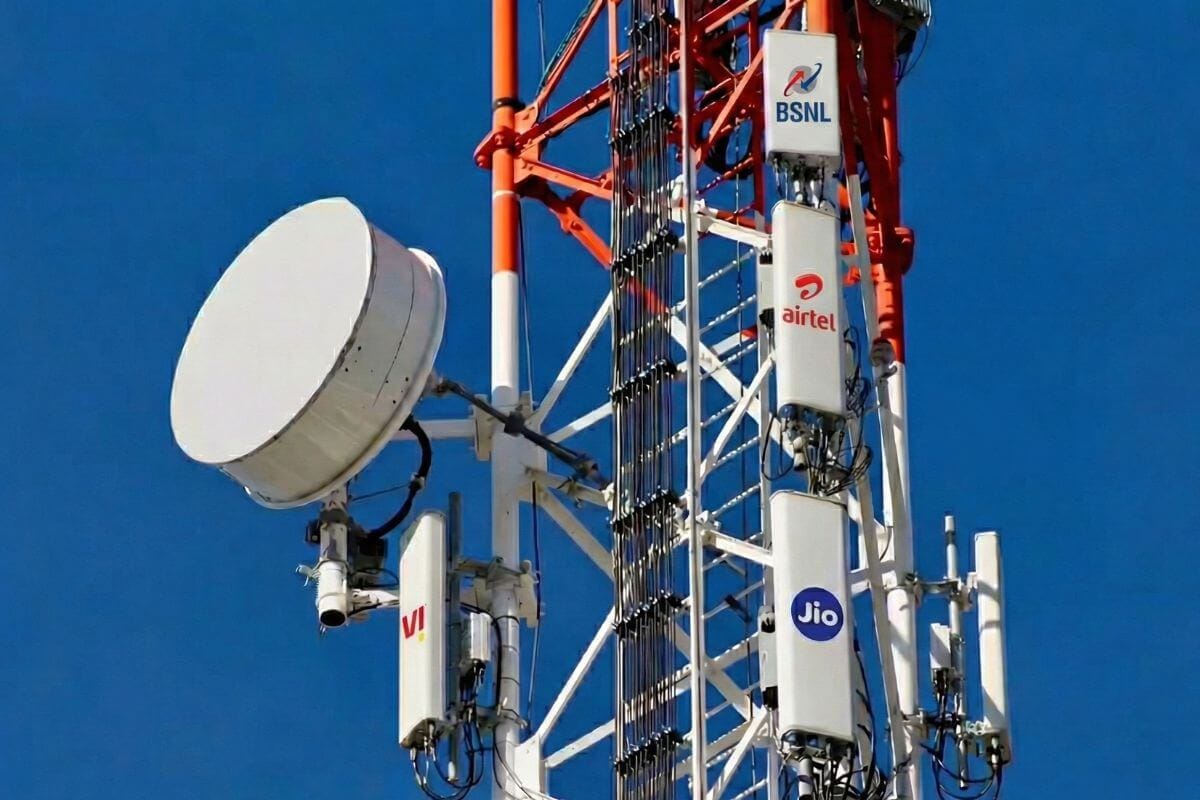
India’s telecom infrastructure is facing mounting disruptions as the ongoing conflict in West Asia begins to impact connectivity, logistics, and equipment supply. Telecommunication infrastructure providers and equipment manufacturers have reportedly flagged that freight route blockades and geopolitical instability are driving up transportation and insurance costs for imported telecom equipment, while also delaying shipments critical to network operations, according to an Economic Times report dated April 13, 2026.
- Make Telecom Talk My Trusted Source



Also Read: DIPA and Vodafone Idea Forge Partnership to Drive Sustainable Telecom Infrastructure in India



Diesel Restrictions Disrupt Tower Operations
In representations to the Department of Telecommunications and state authorities, the Digital Infrastructure Providers Association (DIPA) reportedly highlighted operational challenges on the ground. DIPA represents the India’s digital infrastructure industry that develop, build, own and operate the nation’s wireless infrastructure.
The association noted that telecom field personnel are being denied the purchase of diesel in containers at fuel stations due to restrictions aimed at curbing public hoarding. However, the industry has emphasised that telecom towers are classified as essential infrastructure and require an uninterrupted fuel supply.
Several districts across states, including Uttar Pradesh, Maharashtra, and Madhya Pradesh, have imposed curbs on diesel sales in containers, prompting fuel stations to halt supplies to telecom teams. According to DIPA, this has disrupted routine refuelling of telecom towers, with Maharashtra already witnessing adverse effects on network continuity.
Power Outages Increase Dependence on Generators
The situation is further aggravated by widespread power outages in several states, with disruptions lasting between four-six hours daily. This has significantly increased reliance on diesel generators for backup power.