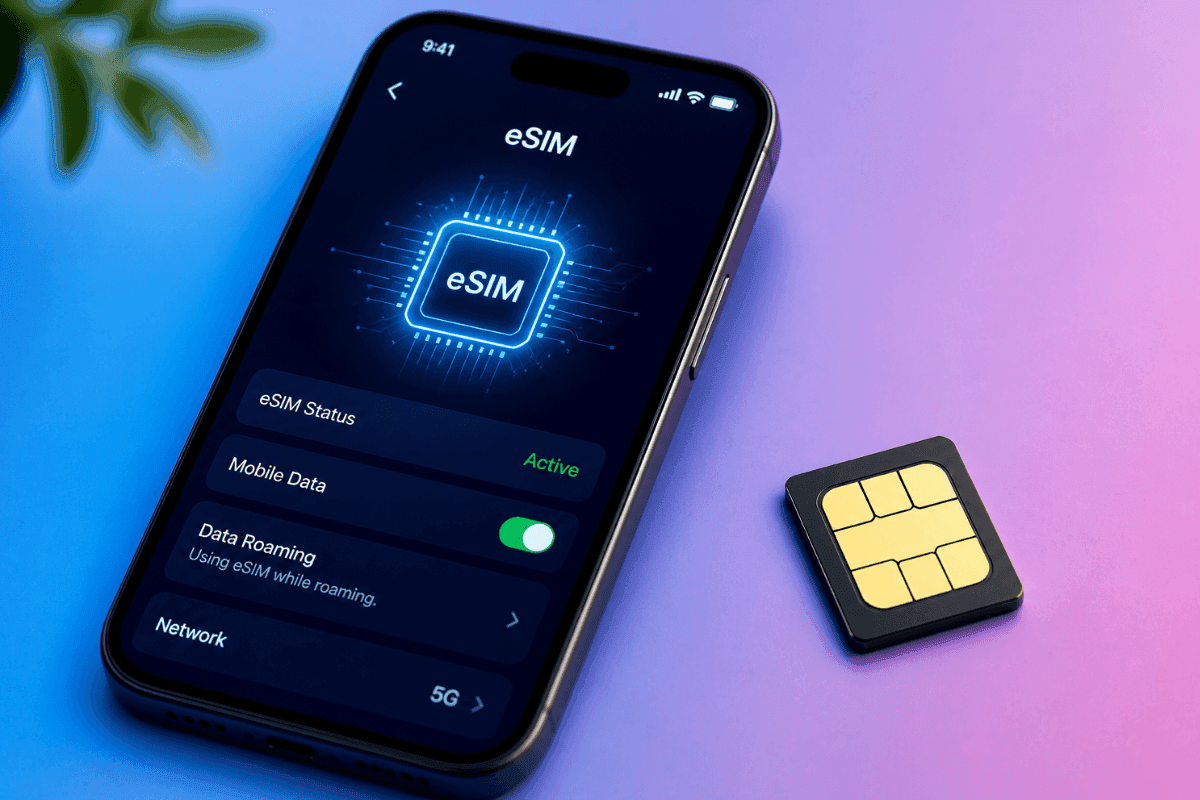
Travel habits have changed, and so has the way people stay connected. eSIM technology removes the need for physical SIM cards and makes switching networks simple. Yet, with so many plans available, choosing the right one can feel confusing at first.
A smart approach helps travelers avoid paying for features they do not need. Clear comparisons and a bit of planning can make a big difference. This guide shares practical hacks that help anyone pick the right eSIM plans with confidence.
A clear idea of daily data use makes plan selection easier some travelers rely on maps, messaging, and light browsing, while others stream videos or join video calls frequently. Checking past mobile usage can offer a useful estimate based on real patterns.
This step prevents paying extra for unused data or running out too soon during important moments many providers show average data needs for common activities, which helps with planning and decision-making a realistic estimate leads to a plan that matches actual needs without waste and supports consistent usage throughout the trip.
Coverage should always be a top priority when choosing eSIM plans for travel across different regions each provider partners with local networks, and the quality can vary by region, city, and even specific locations a plan may look affordable but fail to perform well in certain areas with weak network support.
Reading coverage maps and user feedback can reveal real-world performance and highlight areas with better signal strength. Strong coverage ensures stable internet access during travel without unexpected connection drops reliable service matters more than small savings when staying connected is essential for navigation, communication, and daily travel needs.
Compare Plan Duration Carefully
Plan duration plays a key role in overall value and usability during the entire trip period some plans last a few days, while others cover weeks or even months, depending on the provider. Picking a duration that matches the trip avoids unnecessary costs and prevents early expiration issues.
Short trips benefit from smaller plans, while longer stays need extended validity with more flexibility it is also wise to check when the plan starts, as some activate immediately after purchase or installation. Matching the duration to travel dates keeps the plan efficient, predictable, and aligned with the schedule.
Look Beyond The Price Tag
Price alone does not define the value of plans when comparing multiple available options online some cheaper plans come with slower speeds or limited network access in crowded or remote areas. Others may restrict hotspot use or reduce speed after a certain limit, which can affect usability.
A slightly higher price can offer better speed, stronger connectivity, and improved reliability across different locations. Reading the fine print helps avoid surprises later and ensures clarity about limits and conditions. True value comes from a balance of price, speed, service quality, and consistent performance throughout the trip.
Check For Easy Top-Up Options
Flexibility matters during travel, especially when plans run out sooner than expected due to higher usage. Good eSIM providers offer simple top-up options without needing a new installation or complicated setup steps this feature allows users to extend data quickly without interruption during important travel moments.
Some plans even allow upgrades to higher data limits mid-cycle without restarting the plan easy top-ups save time and reduce stress during busy travel days with changing connectivity needs a flexible plan adapts better to changing needs and ensures continuous access without unnecessary delays.
Read User Reviews And Support Quality
User reviews provide insight that official descriptions may not show clearly in promotional materials real experiences highlight network reliability, speed consistency, and ease of setup across different regions customer support also plays a key role when issues arise unexpectedly during travel.
Quick and helpful support can resolve problems without delay and reduce frustration significantly reviews across multiple platforms give a balanced view of the provider and its overall service quality a provider with strong support adds peace of mind and ensures a smoother experience throughout the journey.
Check Device Compatibility In Advance
Not every device supports eSIM, so compatibility checks are essential before making any purchase decisions. Most modern smartphones include this feature, but it is still important to confirm details carefully. Providers usually list supported devices on their websites along with setup instructions for easy reference.
Also Read: BSNL to Offer PAN-India eSIM Service with Tata Communications
Skipping this step can lead to frustration after purchase if the device does not support activation. A quick check ensures smooth activation and use without unnecessary troubleshooting steps later compatibility confirmation removes uncertainty, avoids last-minute issues, and ensures a seamless connection experience.
Final Thoughts
Finding the right eSIM plans does not have to be complicated a clear focus on data needs, coverage, and plan duration builds a strong starting point. Looking beyond price and checking flexibility adds more confidence to the decision.
Reviews and compatibility checks further reduce the risk of poor choices. Each step plays a role in creating a smooth travel experience. With the right approach, anyone can choose a plan that fits their journey perfectly.
Every article you read here is the result of time, research, and effort. If you feel it adds value, you can support TelecomTalk.
 Support Telecomtalk