 Support Telecomtalk







Andrew Bonwick
Vice President of Product Development at Relm Insurance

Madhav Sheth
CEO of Ai+ Smartphone

Varun Kashyap & Sridevi Reddy
Co-Founders, Zithara.ai
Transforming Indian Offline Retail and Customer Engagement Using AI


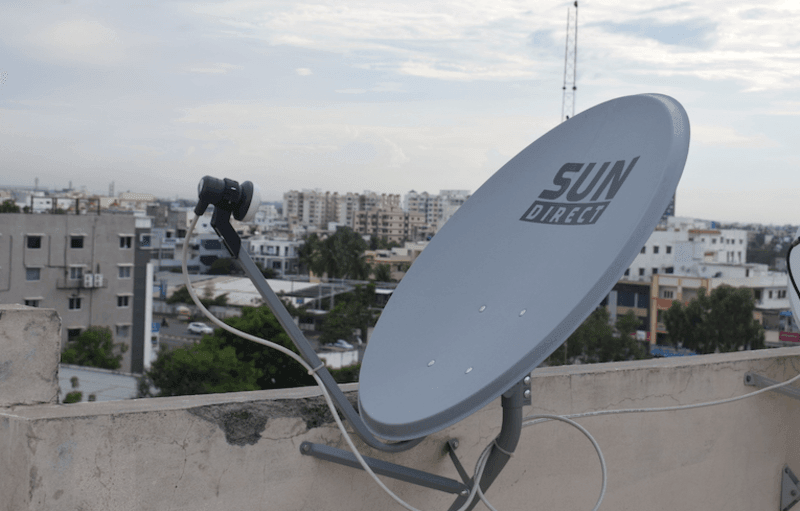
The ministry of information and broadcasting, in alliance with Telecom Regulatory Authority of India (Trai), has revived a proposal which aims to bring broadband internet connectivity to the most rural areas of India. The proposal which has been revised by the two bodies seeks to make use of the existing cable network to provide internet connectivity to the remotest parts of India. According to a TNN report, the ministry officials have asserted that if implemented, then this move will have the potential to extend internet connectivity to 19 crore households which have TV sets, out of which ten crore homes already have a subscription to cable services.
- Make Telecom Talk My Trusted Source



Ministry and Cable Operators Both Take Interest
Trai chairman, RS Sharma, in a long discussion with the cable operators from across the nation had said that such connectivity would also improve the fixed line internet connectivity in India, which currently stands at 7% up against the global average of 46%. If possible, then this would be a big stride for India regarding internet connectivity. The officials also informed that the consumers wouldn’t have to go through the hassle while switching to broadband as on their end it will merely be a migration to a set-top box. As for the service providers, the integration of both broadband and cable services will be facilitated by the ministry’s engineering arm- BECIL.
However, there is a small catch in this affair. For the cable operators, the point of concern remains the Annual General Revenue (AGR) – the payment that cable operators currently make to the department of telecom. The cable operators are concerned that once when the transition happens, will they have to pay this amount over only the broadband services or on the entire revenue generated from both the businesses. During the meeting with Trai and ministry, the cable operators also raised questions saying that paying the AGR over both the businesses would further hurt their bottom lines. Countering this, RS Sharma said during the mid-December meeting that South Korea is one country which has implemented a similar model and has even gone ahead with a waiver on AGR, which has resulted in a fixed line internet connectivity of 93% in the country.






























