Support Telecomtalk







Andrew Bonwick
Vice President of Product Development at Relm Insurance

Madhav Sheth
CEO of Ai+ Smartphone

Stephen Rose
CEO Render Networks



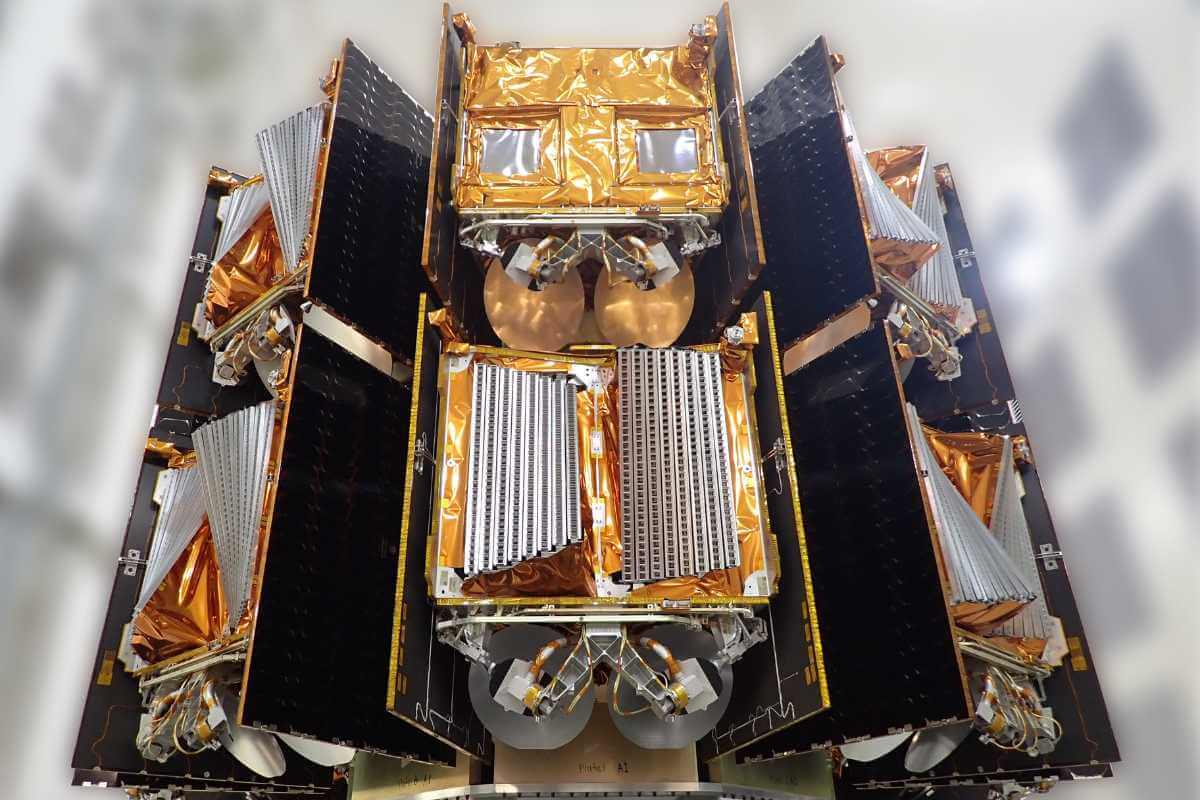
OneWeb, a prominent provider of Low Earth Orbit (LEO) satellite communications, has achieved a significant milestone with the successful deployment of 16 satellites, solidifying its constellation and progressing towards global service coverage.



- Make Telecom Talk My Trusted Source



This launch 19th included the deployment of JoeySat, a satellite designed to test a revolutionary beam-hopping capability, enabling seamless switching between different locations on Earth while adapting communication signal strength according to customer demands.
Also Read: OneWeb to Launch 16 Satellites With SpaceX, Including JoeySat
OneWeb Launch 19 Liftoff
OneWeb said the liftoff took place on May 20, 2023, at 6:16 PT from Space Launch Complex 4 East (SLC-4E) at Vandenberg Space Force Base in California. OneWeb’s satellites were efficiently separated from the launch vehicle and dispensed in eight phases over a span of 1 hour and 26 minutes.
OneWeb confirmed signal acquisition on all 16 satellites, marking OneWeb’s fourth successful launch in collaboration with SpaceX.
With a total of 634 satellites now in orbit, OneWeb remains on track to provide global coverage by the end of this year and is actively scaling its services for customers worldwide. The addition of the newly deployed satellites from this mission significantly enhances the resilience and redundancy of the OneWeb constellation.
Also Read: OneWeb and Swedish Space Corporation Collaborate to Enhance Connectivity Across Northern Canada
Innovative JoeySat Enhances Capabilities
The highlight of this launch is the inclusion of JoeySat, the 16th satellite deployed today. Developed through a partnership program between the European Space Agency and UKSA Sunrise, JoeySat features an innovative payload design that will demonstrate the capabilities of digital regenerative processing, electronically steered multi-beam arrays, as well as digital beamforming and beam-hopping technologies.