Support Telecomtalk







Andrew Bonwick
Vice President of Product Development at Relm Insurance

Madhav Sheth
CEO of Ai+ Smartphone

Stephen Rose
CEO Render Networks



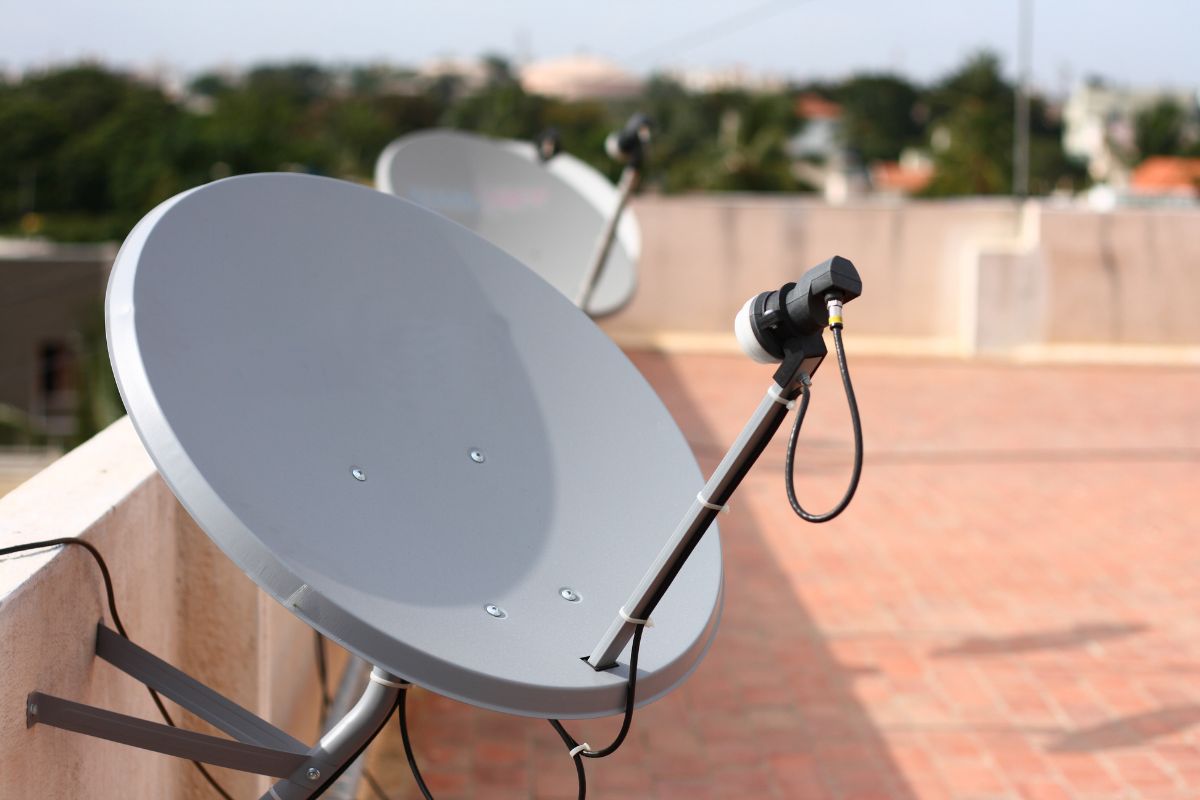
The National Tariff Order, which arrived on the subscribers’ doorstep at the start of last year, brought a barrage of mixed reactions. If there was something after the beginning of the Set-Top-Box revolution, it was the NTO from TRAI which absolutely changed the way people were using DTH connections. The tariff order from TRAI changed the pricing of the channels, the base packs, and everything else. However, the TRAI order was challenged by many petitioners, mainly the broadcasting houses who were working hard to bring out content and barely trying to make their channels survive in the competition. The verdict by the High Court is now out on this one about who has stood the test of law.



- Make Telecom Talk My Trusted Source



HC Favours TRAI Order and its Legality
To cut a long story short, the TRAI (Telecom Regulatory Authority of India) order stands the test of time and has been upheld by the High Court. This means that TRAI will not have to change anything about its second iteration of the National Tariff Order. Last time, after heavy criticism, TRAI had upped the limit of “slots” provided for the channels in the NCF of Rs 153 (tax included) from 100 to 200 channels.
However, there is one caveat which the people should keep in mind. Just like it is the case with any major ruling, even this order by the HC is not a blanket statement. While the judge has upheld the tariff order as a whole, a single clause of the NTO has been struck down, which was considered to be arbitrary. This clause has to do with the a-la-carte pricing of the channels as compared to their price in the bouquet.