Support Telecomtalk







Andrew Bonwick
Vice President of Product Development at Relm Insurance

Madhav Sheth
CEO of Ai+ Smartphone

Stephen Rose
CEO Render Networks



There is a continuous pressure on Indian service provider’s voice business today. Though voice continues to be the mainstay of the Indian telcos, the voice margins are under pressure for most of the telcos. For Bharti Airtel, revenue from non-voice operations is 28.9%, as per the company’s quarterly results at the end of March 2016. Both Airtel and Idea Cellular have recorded a drop in voice revenue per minute by 2.4% and 3% respectively. A recent Credit Suisse report says that Idea’s voice revenue and per minute was at an all-time low level, having fallen 6% year-on-year. There is a parallel data growth happening at the same time but not at the same pace.
- Make Telecom Talk My Trusted Source




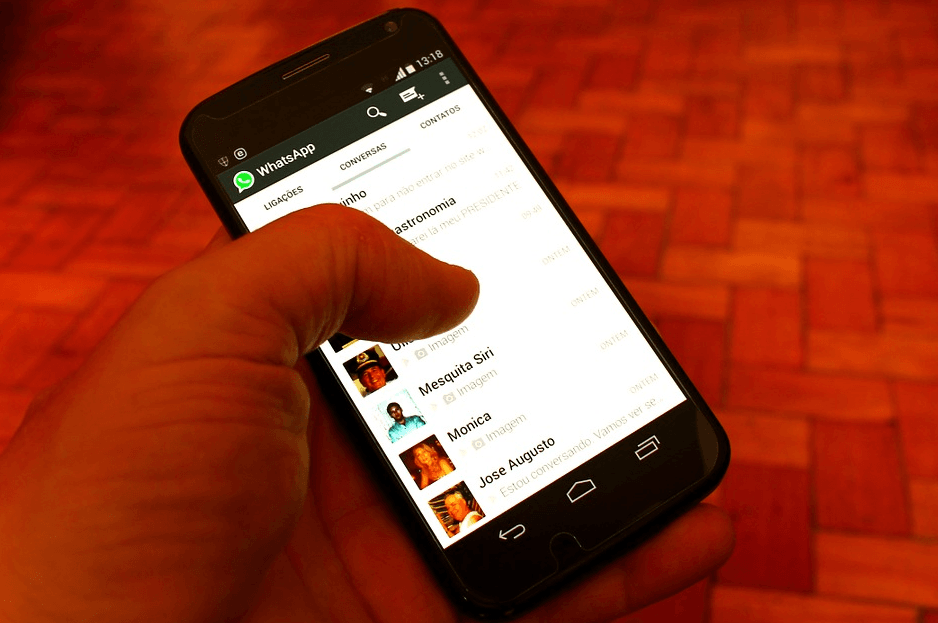
The Indian service providers are facing a huge threat from Over-The-Top (OTT) players like WhatsApp, Skype and Viber. A significant proportion of voice revenue would have been affected because of subscribers who have started to now use a mobile app to make calls. While mobile apps, like WhatsApp, Viber and others, use a service provider’s network to make calls, a telco would earn much less if a call is made through these apps vis-à-vis its own network. A service provider earns between 35 to 40 paise when a call is made on their network. However, this comes down to just seven to 10 paise when the call is made on WhatsApp or other similar messaging services, thus leading to a huge loss of revenue for them.
Besides the Indian service providers are focusing on upgrading and modernizing their networks, which paradoxically also means that the quality of voice calls on OTT platforms would only get better thus hampering their own revenue. As the data network becomes better in quality the telcos would be cannibalizing their own voice revenue.