 Support Telecomtalk







Andrew Bonwick
Vice President of Product Development at Relm Insurance

Madhav Sheth
CEO of Ai+ Smartphone

Stephen Rose
CEO Render Networks



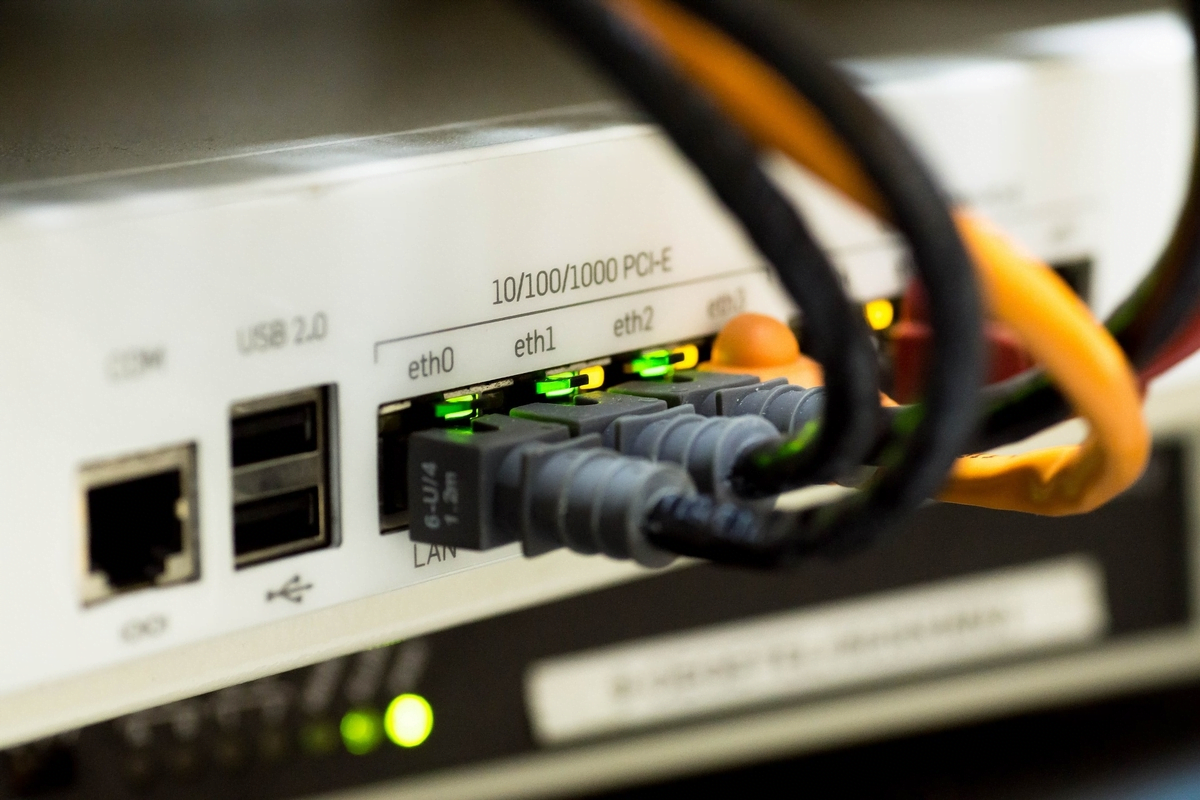
You must have heard the term ‘latency’ if you are familiar with the components of a network. Further, terms such as ‘ping’ and ‘ms’ got famous since the time online gaming got adopted throughout the world. If just like me, you have played ‘PUBG Mobile’ when it was not banned in India, you might be aware of the importance of a low-latency network. With low-latency networks, you get a lesser ‘ping’ which result in no or minimal lag while gaming. But the thing is, low-latency networks aren’t just important for gaming, they are used in a much wider field of applications. Let’s understand what is a low latency network and why do you need it.
- Make Telecom Talk My Trusted Source



What is a Low-Latency Network?
First of all, latency refers to the time taken by the network to transfer data from one location (source) to another (destination).
In the world of online streaming, a delay of a few seconds is considered very normal. So what is low-latency then? In general, low-latency is a delay of up to five seconds or less. For people/companies who need even lower latency, they can opt for networks providing ultra-low latency and get near real-time experience.
Ultra-low latency networks are essential when online gaming is taking place from different parts of the world.
Where is Low-Latency Required?
A Low-latency network is required to stream a live sports game. Usually, cricket matches that we see on the TV or smartphones are 2 to 3 minutes late because of the slow latency.
Then in video-chats, you don’t want to say something and then wait for a minute for the other person to get it. For having a close to real-time video chatting experience, low-latency is required.
One of the most important areas/fields where low-latency is required is trading. At the time of trading, you want real-time values to be reflected on your screen so that you can make accurate trades.






























