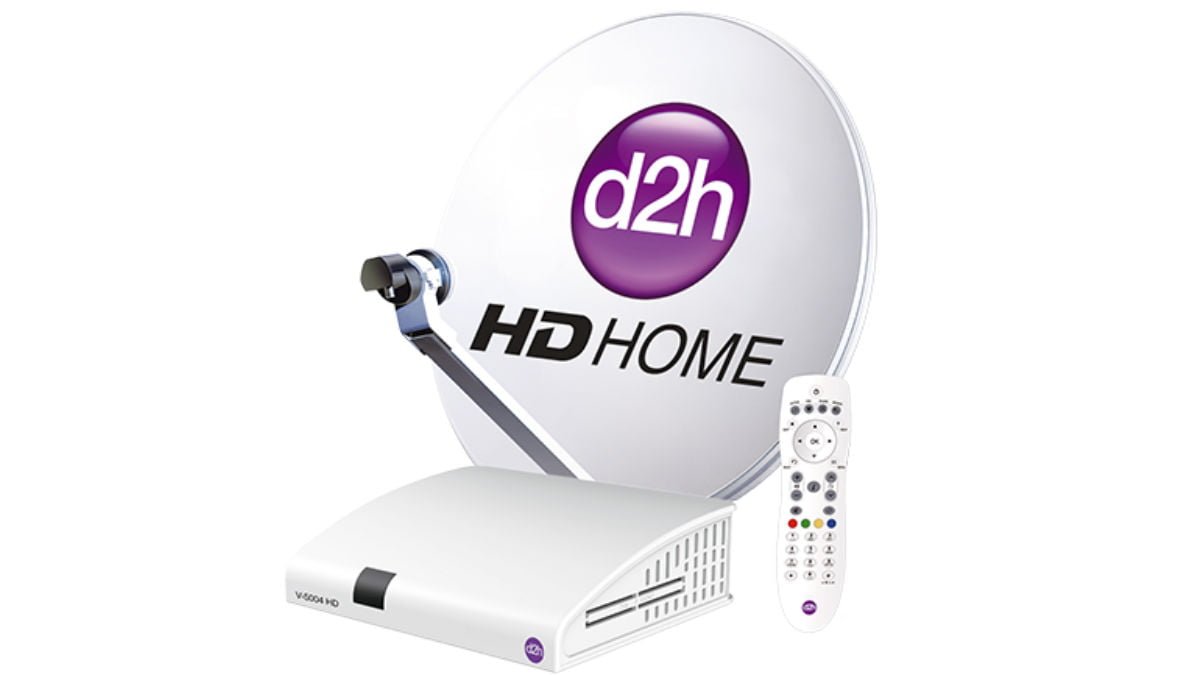
The Telecom Regulatory Authority of India (Trai) is making a lot of changes in the broadcasting sector to bring transparency similar to the telecom sector. The first major change made by Trai was the National Tariff Order 1.0 which become effective last year and it will be replaced by National Tariff Order 2.0 this year. The second big thing in the pipeline is the Set-Top Box interoperability. As the name itself suggests, the service if becomes official will allow users to change DTH or Cable TV operator without the requirement of changing Set-Top Box. This is one of the most anticipated projects from Trai, but it now has a roadblock ahead. DTH operators are opposing the introduction of Set-Top Box interoperability on the basis of various factors like cost, security, compression technologies used and so on.
DTH Operators Say Interoperable STBs May Have Several Flaws
Tata Sky, which is currently providing the cheapest Set-Top Boxes in the industry, wrote to Trai that the interoperable STBs would fall behind in the security aspect. For example, DTH operators, along with the STB manufacturers, are able to offer security solutions like HDCP, water-marking and so on. For example, if Trai implements the interoperability functionality, STB manufacturers may not be able to add these security solutions. On the other hand, Dish TV says that the cost of the STBs may not be the same. Right now, the cheapest HD Set-Top Box in the industry is priced at Rs 1,399 by Tata Sky, but if interoperable STBs come into effect, the prices will rise.
Reliance Jio, which is also stepping into the broadcasting sector, termed that STB interoperability will require major investments to make the technology better over the period of time. DTH and Cable TV operators in India are in a slightly better place when compared to the telecom operators, so investments may not be a major concern. However, the biggest concern is all the DTH operators are opposing interoperable STBs, which is underwhelming.
Airtel Digital TV also urged that the main aim of operators is to offer Satellite TV services to the users and not selling the STBs. The only operator to support Trai Set-Top Box interoperability was Hathway. Being a Cable TV operator, Hathway operates in small margins, but it believes that India should take the lead in STB interoperability as other countries are already offering the functionality to users.
What Next for Interoperable STBs?
Right now, we might see the Trai holding interoperability project for another couple of years. When DTH and Cable TV operators itself oppose the move, there’s nothing much Trai could do. That said, Trai just issued a consultation paper and the operators drafted their response. Trai yet to respond to this draft from the operators. But we expect the regulator to halt the project for now and wait for the tech to grow in the coming years. But again, nothing is confirmed for now.
As for other news, Trai is pushing service providers and broadcasters to implement the new tariff regime on March 1. The NTO 2.0 focusses on various aspects like more channels in base NCF slab, changes to Multi TV policy and we might also see the broadcasters reducing prices of their popular channels.
If this article saved you time or helped you decide better, consider supporting our work.
 Support Telecomtalk