 Support Telecomtalk







Andrew Bonwick
Vice President of Product Development at Relm Insurance

Madhav Sheth
CEO of Ai+ Smartphone

Stephen Rose
CEO Render Networks



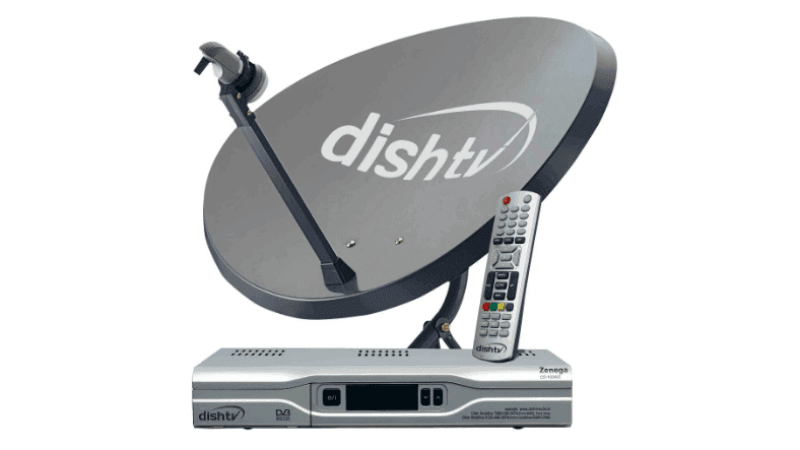
The new changes that will take form in the DTH and broadcasting industry in India are actually amendments to the previously introduced Trai tariff regime or the National Tariff Order (NTO) which had come into effect in February 2019. One year later, Trai is now on the task of introducing some major changes to the rules which define how the prices of the channels, the channel bouquets and the overall DTH connection are priced. This is going to be a significant change in the industry as the broadcasters will also need to take some action by changing the prices of their channels and for the subscribers as well, this is going to be a big move as they will probably get to see cheaper DTH and cable TV bills after almost a year of paying exorbitant prices for a bunch of channel subscription. Here, we walk you through the new rules and break apart the new changes that will shape the DTH industry in the coming months.
- Make Telecom Talk My Trusted Source



Clear Definition of Multi TV and Long Term Channel Packs
Firstly, one of the major things that Trai has done as part of these amendments is to address the areas which it totally skipped in the introduction of the NTO. Although the NTO went into intricate detail to explain how the channels will be priced, and how the subscribers and the DTH operators will be billed, it skipped over two of the areas which were Multi TV homes and long-term channel packs. But, this time around, Trai has clearly defined these two terms, and while the long-term channel packs will include subscriptions for more than six months, the multi TV homes will be the ones where two TV connections or Set-Top Boxes are in use under the same name. Also in the case of Multi TV homes, the DTH connections will have to have independent channel selections on both the Set-Top Boxes.






























