Support Telecomtalk







Andrew Bonwick
Vice President of Product Development at Relm Insurance

Madhav Sheth
CEO of Ai+ Smartphone

Stephen Rose
CEO Render Networks



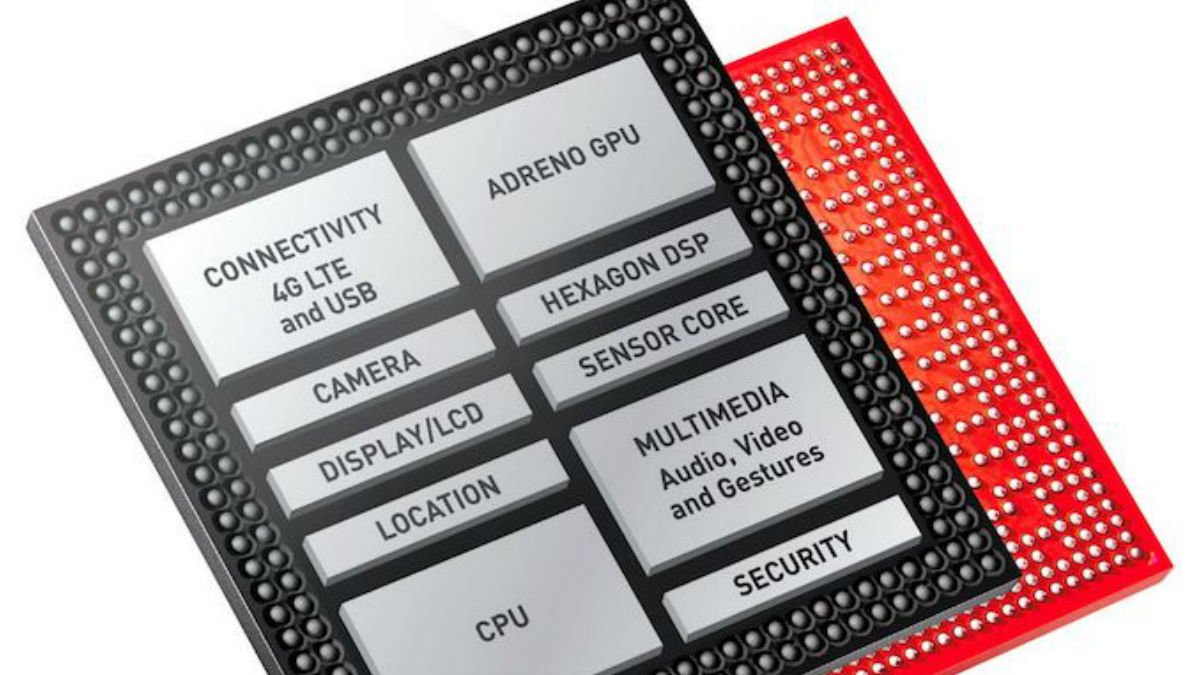
After launching its first gaming-centric mid-range Snapdragon 730G Mobile Platform last year, Qualcomm followed it up by a more budget centric Snapdragon 720G. With mobile gaming being the rage these days, it is only sensible that brands are launching mid-range devices to cater to this segment. The newly announced Snapdragon 720G is particularly interesting as it sits below the current Snapdragon 730G which is a mid-tier chipset due to its superior performance. Sharing similar names, it makes sense to compare both the mobile chipsets as gaming geeks will be seeking to know which smartphone to choose going into 2020.
- Make Telecom Talk My Trusted Source






Snapdragon 720G vs Snapdragon 730G: CPU & GPU
Let’s start with the CPU configuration. Both the 730G and 720G are manufactured using an 8nm manufacturing process. Also, both the SoCs come with octa-core processors. The difference, however, lies in the core architecture and frequency. The newly launched Snapdragon 720G has eight Kyro 465 cores with two Cortex A76 cores clocked up to 2.3GHz for intensive tasks and six power-efficient Cortex A55 clocked at 1.8GHz. The Snapdragon 730G, on the other hand, comes with eight Kyro 470 cores in a similar configuration, two Cortex A76 cores clocked at 2.2GHz and six Cortex A55 cores clocked at 1.8GHz.
As far as GPU is concerned, both mobile chipsets use the same Adreno 618 GPU. However, the GPU on the Snapdragon 730G is overclocked by 15%.
Snapdragon 720G vs Snapdragon 730G: AI & Camera
The Snapdragon 720G uses the new Qualcomm Hexagon 692 processor with the Qualcomm Sensing Hub to aid with AI capabilities. The older 730G uses a Qualcomm Hexagon 680 processor. The Hexagon 680 may look less powerful but has a dedicated voice assistant chip, Qualcomm All-Ways Aware technology and a dedicated Neural Processing SDK.