Support Telecomtalk







Andrew Bonwick
Vice President of Product Development at Relm Insurance

Madhav Sheth
CEO of Ai+ Smartphone

Stephen Rose
CEO Render Networks



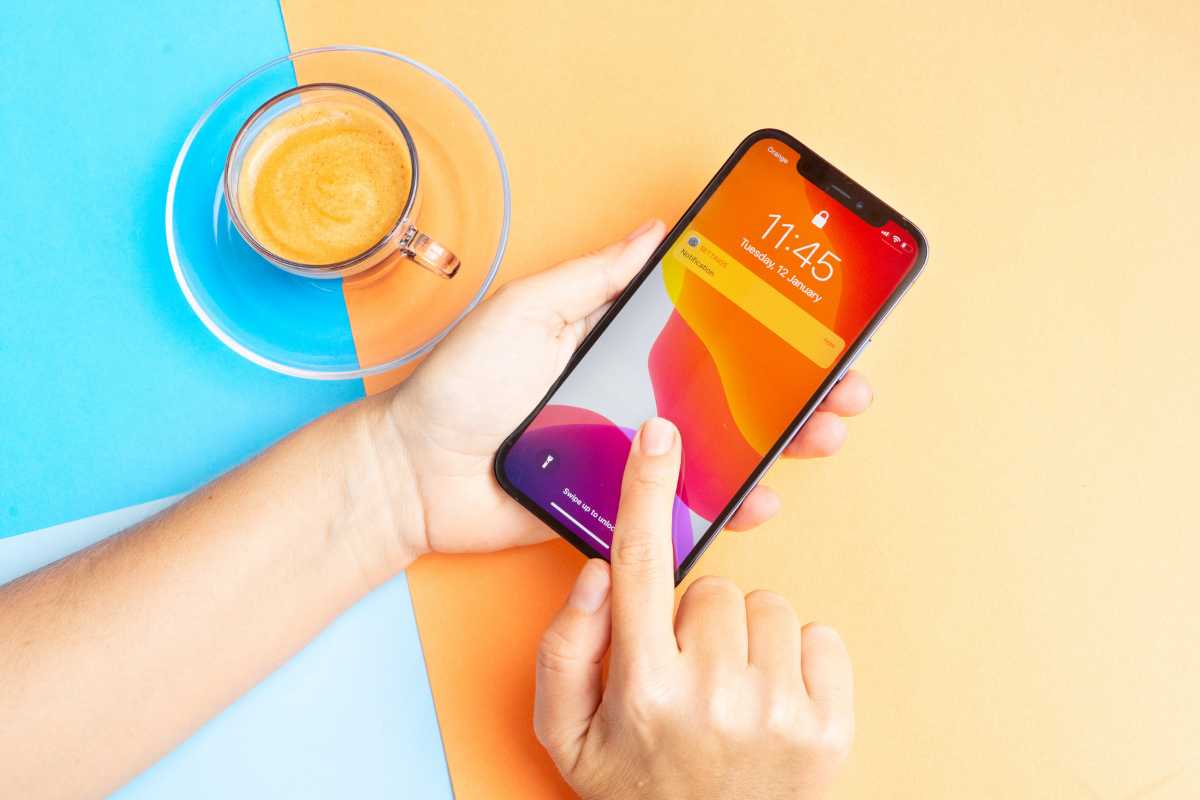
The iPhone 12 series has become a great success story for Apple. The latest flagship series has done exceptionally well, even better than what people predicted it would do. Note that behind every successful product, there are plenty of factors. One of the major contributing factors for Apple’s iPhone 12 series success is the onset of the COVID-19 pandemic in March 2020 around the world. Every major market where iPhone 11 series was available at that time was in lockdown. Further, people were unsure about flushing their funds on the luxury items and goods which directly impacted the sales of the iPhone 11 series (which wasn’t too bad, to be honest!).



- Make Telecom Talk My Trusted Source



People Bought iPhone 12 Instead of Upgrading to the iPhone 11
Plenty of people who might have thought about upgrading to the iPhone 11 would have stopped themselves from doing so. Instead, after the lockdowns were eased and the iPhone 12 launch was nearby, many would have thought of upgrading to the iPhone 12 series as a better option.
According to a recent report from Counterpoint Research, the iPhone 12 series sales had crossed 100 million units in April 2021 (the first seven months from the launch of the smartphone). The 100 million unit sales mark this fast has been achieved by Apple only once before when it released the iPhone 6 series. In comparison, the iPhone 11 series took two months extra to achieve the 100 million units sales milestone.