 Support Telecomtalk







Andrew Bonwick
Vice President of Product Development at Relm Insurance

Madhav Sheth
CEO of Ai+ Smartphone

Stephen Rose
CEO Render Networks



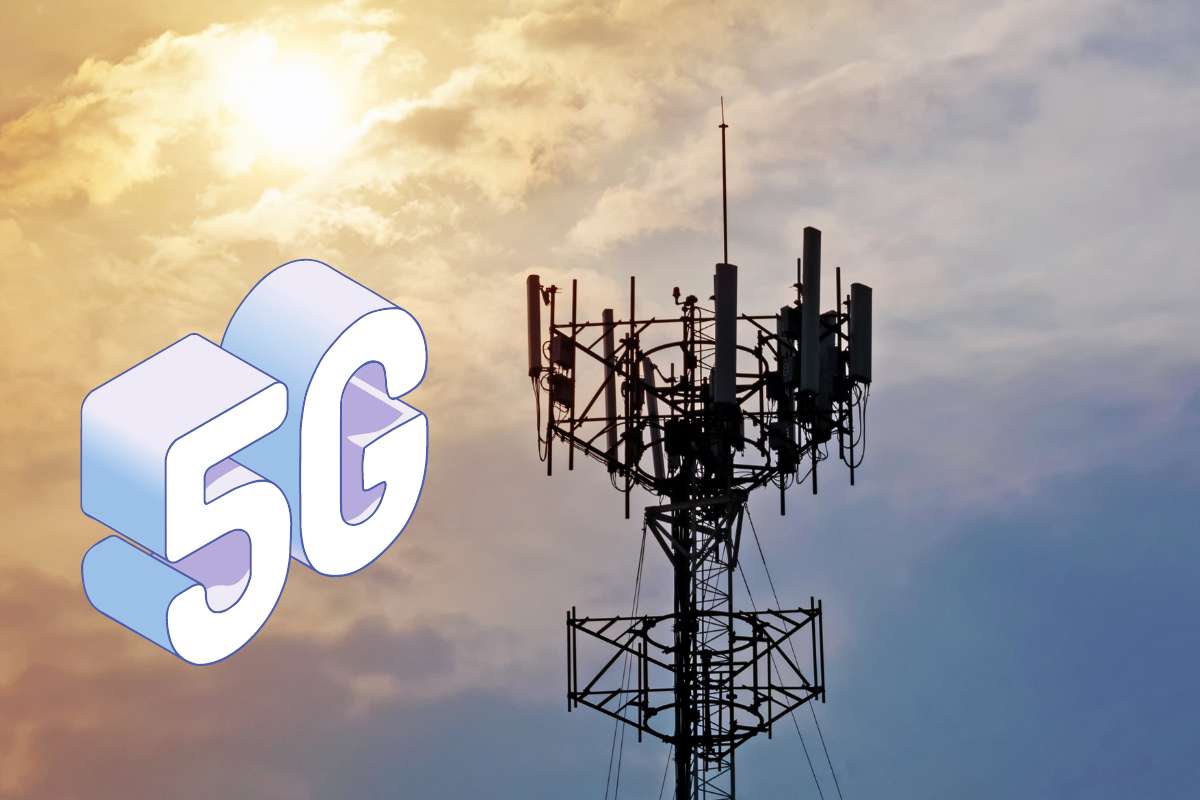
Dish Wireless has been given approval by the Federal Communications Commission to test CBRS outside power transmission limitations that are higher than those that are presently permitted. The testing will take place at the Table Mountain Radio Quiet Zone outside of Boulder, Colorado, close to NIST’s Colorado facility, as stated in Dish’s Special Temporary Authority filing. The technical study is being carried out with assistance from the National Institute of Standards and Technology (NIST) and its Institute for Telecommunication Sciences (ITS) lab.
- Make Telecom Talk My Trusted Source



Using Two Transmitters, Dish Will Test the 5G CBRS Band
Dish has argued in favour of higher-power operations in the CBRS band and is a significant holder of PAL licences. The business purchased 5,492 licences in 3,128 counties through the PAL auction for $912.9 million. In light of the fact that licences were offered in 3,233 U.S. counties, Dish exploited the auction to establish a national footprint for priority access to the 3.5 GHz CBRS spectrum.
Using five-generation (5G), two transmitters operating at 0.5 watts and up to 1.585 kilowatts of power will be used by Dish to test the CBRS spectrum at 3.65–3.69 GHz. The operator stated that it intends to carry out the experiments to assess the potential benefits of high-power CBRS operations in terms of coverage, throughput, and spectral efficiency, as well as the potential effects on current General Authorized Access (GAA) and Priority Access License (PAL) operations in terms of whether base stations or end-user devices may be interfered with. In its application, Dish stated that it also intends to examine the effects that waiving the in-band emission requirement of -25 dBm/MHz might have on GAA/PAL operations. This is done in order to synchronise with the adjacent C-Band.
Due to the challenges that the lower restrictions present for CBRS deployment as part of macro cellular networks, operators and network equipment makers have been requesting that the FCC reconsider the power limits on CBRS transmission for a number of years. The FCC has not yet indicated a desire to change the power levels of CBRS operations, but the organization’s approval of Dish’s testing will enable the entry of some fresh technical data.






























