Support Telecomtalk







Andrew Bonwick
Vice President of Product Development at Relm Insurance

Madhav Sheth
CEO of Ai+ Smartphone

Stephen Rose
CEO Render Networks



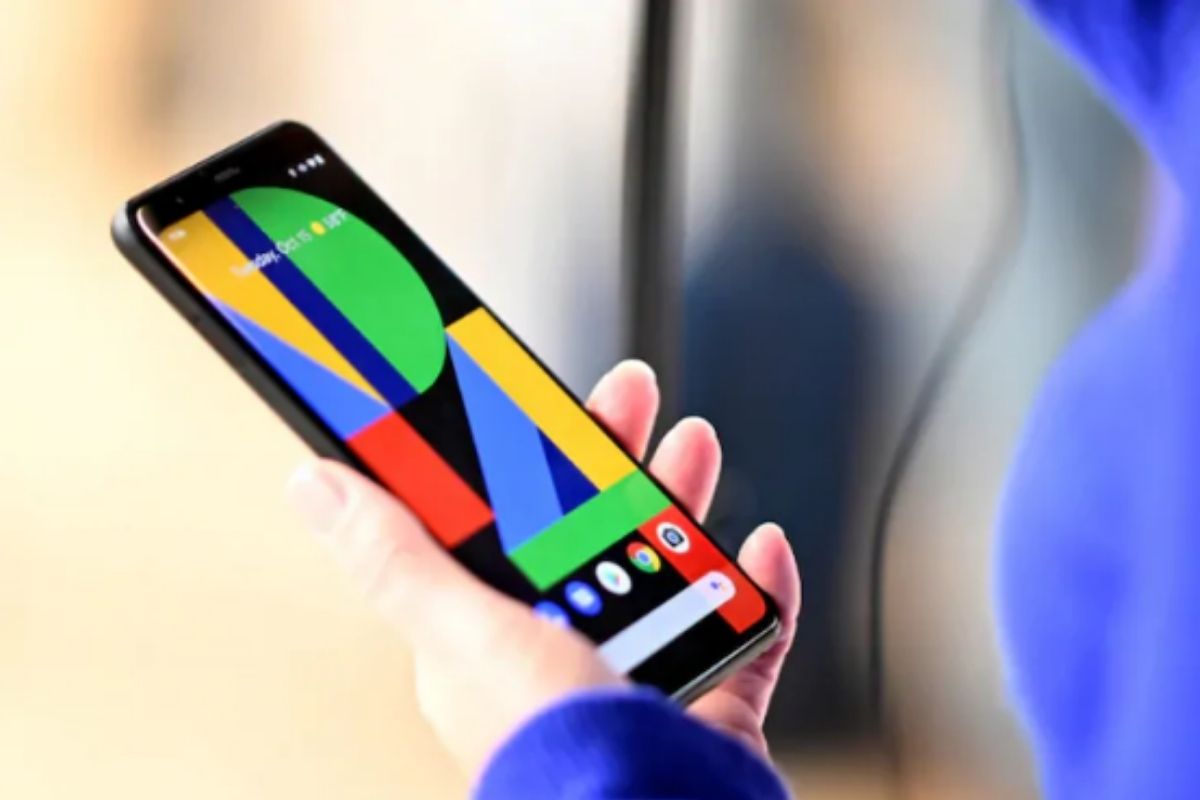
Google as a company has been responsible for multiple advancements and products, be it the Google search engine, the Android operating system or Youtube, the world’s largest content hub. But, one thing that is often swept under the radar is Google’s hardware prowess, which is often seen playing second fiddle to the company’s immaculate software advancements.
- Make Telecom Talk My Trusted Source



The Pixel series of devices were launched with the aim of showcasing what Google feels Android should look like, given how OEMs tend to apply skins or modifications to the bone stock Android which is the base of the device. But, in doing so, Google has time and again failed to, for lack of a better word, highlight the hardware that it has had to offer.



From the original Pixel all the way up to the Pixel 5, the company has been offering simplistic, basic yet functional hardware. Leave aside the bathtub notch on the Pixel 3XL, the components used for the build and, especially the back panel on the Pixel, which, until recently was a dual-tone affair has always oozed a sense of luxury.
The coloured power button, providing a sense of colour in a rather bland side panel was also something that most people did notice but failed to appreciate. Now, it seems that Google is hard at work to bring it’s first foldable to take on the likes of Samsung and, to do so, it might make use of its opponent’s biggest strength.
Google’s Upcoming Foldable Might Use Samsung’s Panel
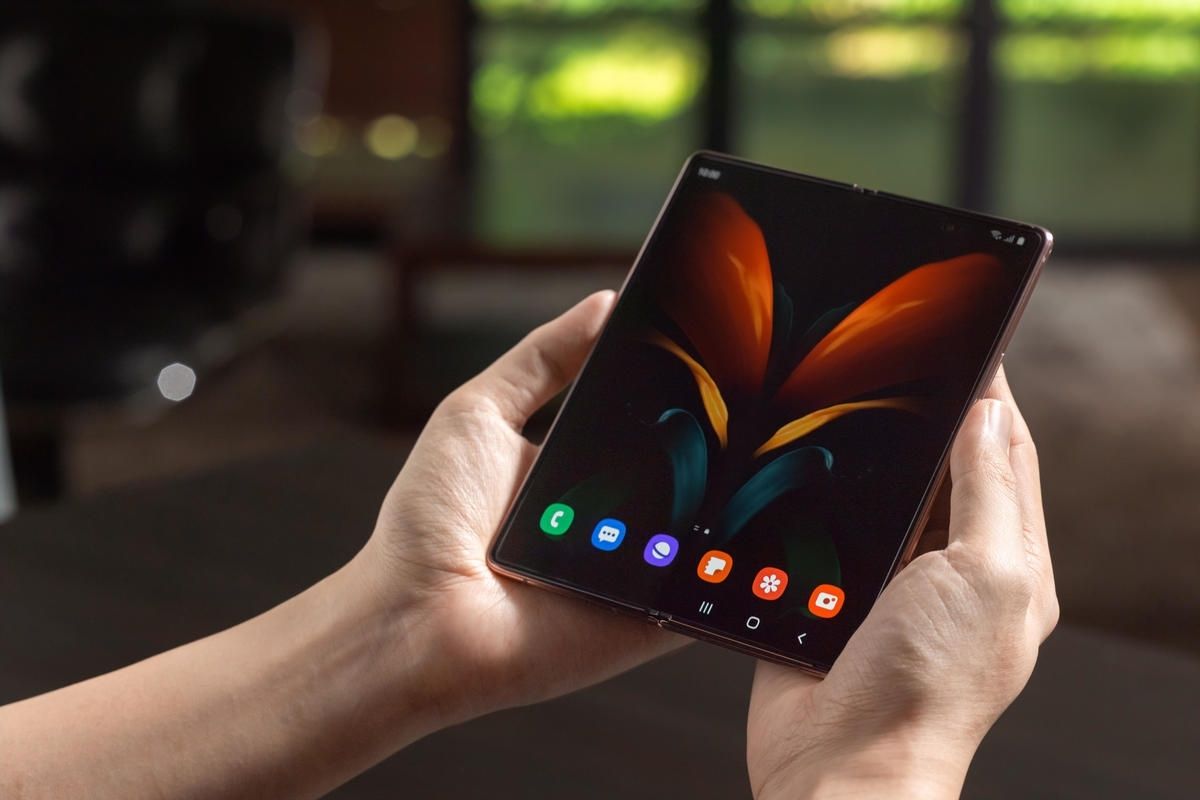
Whilst not a lot of things are known in regards to this mystery foldable, a recent report has mentioned that Samsung could supply its ultra-thin glass or UTG to Google, as per ETNews. As of now, the only electronics to make use of the UTG are owned by Samsung themselves.