 Support Telecomtalk







Andrew Bonwick
Vice President of Product Development at Relm Insurance

Madhav Sheth
CEO of Ai+ Smartphone

Varun Kashyap & Sridevi Reddy
Co-Founders, Zithara.ai
Transforming Indian Offline Retail and Customer Engagement Using AI


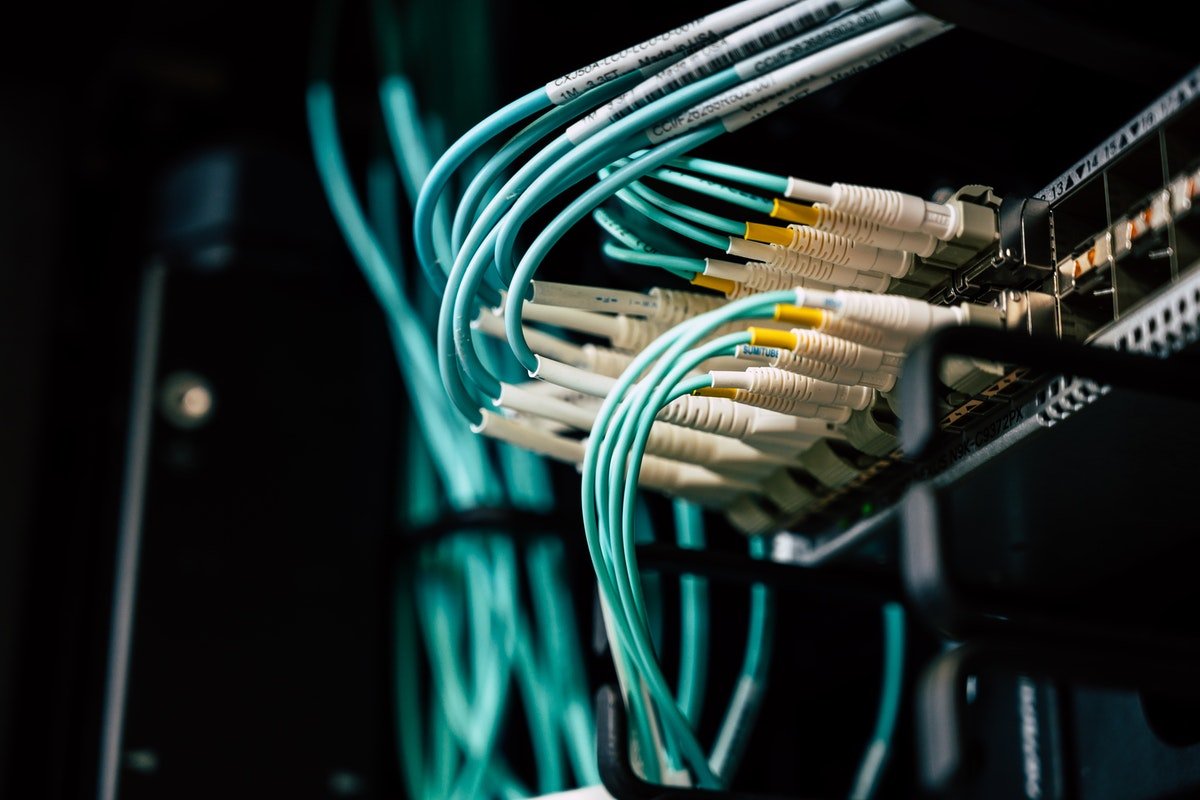
Broadband internet can be categorised into two types, commercial and residential. The basic difference between the two is that a commercial broadband connection is appropriate for running small and medium scale businesses, while a residential broadband connection is enough for people to access internet easily in their homes. But the times have changed, and a large percentage of people are working through their homes. Thus, a regular residential broadband connection might not be feasible for many users. So, today we are going to differentiate between the two connections and help you decide which kind of connection you should get.
- Make Telecom Talk My Trusted Source



Commercial vs Residential Broadband
The first thing that you should consider is whether you need an Internet connection which not only offers a high downloading speed but also high uploading speed. In general, most residential broadband connections which are not fibre connections come with asymmetrical speeds where the downloading speed is higher than the upload speed. But commercial businesses use broadband connections which offer symmetrical speeds for both downloading and uploading.
The second thing that you should look at is whether you need a static IP address or not. A static IP address is such which doesn’t change, and businesses require it so that its employees can access it anytime they wish to. A static IP address also provides the ability to connect through VPN networks. In general, commercial broadband connections have static IP addresses.
The third thing which commercial businesses usually have in their broadband connection is a dedicated network line/support. This line of internet connects exclusively to the offices of these businesses. This further allows businesses to avoid network congestion and get higher internet speeds all the time. Also, it makes the connection more secure for businesses. At the same time, residential broadband connections don’t come with a dedicated internet line.






























