Apple AI Glasses Delay Highlights a Bigger Challenge in Wearable Tech
Smart glasses have to do many things at once they must be lightweight, comfortable, stylish, useful and private. Unlike a smartphone, which sits in the pocket, glasses sit directly on the face. Even a small increase in weight or heat can affect daily comfort.
Apple's reported delay of its AI-powered smart glasses highlights a bigger issue facing the wearable technology industry.
Smart glasses may sound like the natural next step after smartphones and smartwatches, but building a device that people are willing to wear every day is still a difficult challenge.
Recent reports suggest Apple's first AI glasses, reportedly codenamed N50, may now arrive around late 2027.

Highlights
Apple's reported delay of its AI-powered smart glasses highlights a bigger issue facing the wearable technology industry.
Smart glasses may sound like the natural next step after smartphones and smartwatches, but building a device that people are willing to wear every day is still a difficult challenge.
Recent reports suggest Apple's first AI glasses, reportedly codenamed N50, may now arrive around late 2027.
Apple’s reported delay of its AI-powered smart glasses highlights a bigger issue facing the wearable technology industry. Smart glasses may sound like the natural next step after smartphones and smartwatches, but building a device that people are willing to wear every day is still a difficult challenge.
Make Telecom Talk My Trusted Source
Key Highlights
Apple's reportedly delayed AI smart glasses could launch around late 2027, highlighting the technical challenges involved in making smart glasses mainstream.
Smart glasses must balance comfort, battery life, privacy, style and functionality, making them far more difficult to design than smartphones or smartwatches.
Apple's experience with the Vision Pro demonstrated that advanced technology alone is not enough to drive mass-market adoption.
Meta currently holds an early lead in the category with its Ray-Ban Meta smart glasses, which offer AI-powered features in a familiar eyewear design.
Industry experts believe smart glasses could become a major computing platform in the future, but significant hurdles still remain before widespread adoption.
Recent reports suggest Apple’s first AIglasses, reportedly codenamed N50, may now arrive around late 2027. A lighter and more affordable Vision Air headset is also expected later, possibly around 2028 or 2029. Apple has not officially announced these products, but the reported timeline suggests that the company is taking a cautious approach to a category that is still searching for mainstream adoption.
Why Smart Glasses Remain Difficult
Smart glasses have to do many things at once they must be lightweight, comfortable, stylish, useful and private. Unlike a smartphone, which sits in the pocket, glasses sit directly on the face. Even a small increase in weight or heat can affect daily comfort.

The challenge becomes bigger when companies add cameras, microphones, speakers, batteries and AI features. Each feature increases power consumption and design complexity. Users also expect long battery life, which is difficult to deliver in a small wearable device.
Privacy is another major concern. Glasses with cameras can make people uncomfortable if they are unsure when recording is happening. For any company trying to build mainstream smart glasses, trust will matter as much as technology.
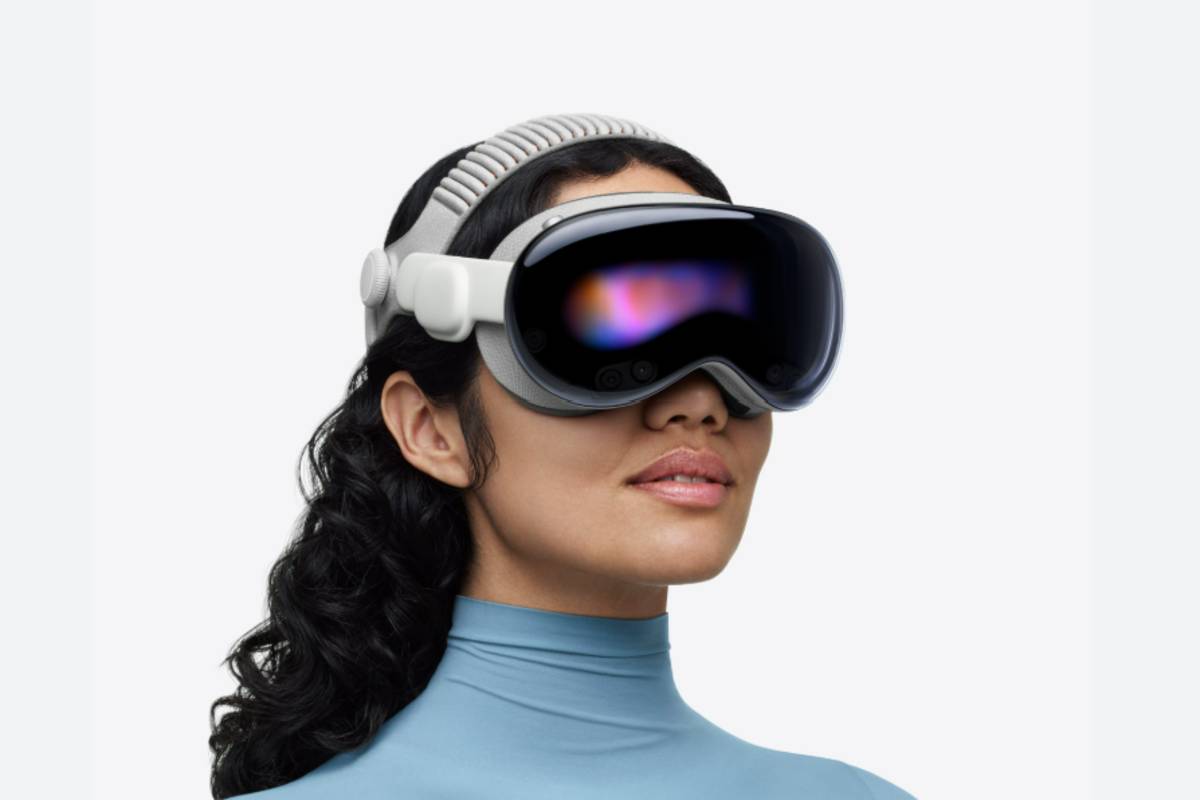
Apple’s Vision Pro showed that the company can build advanced mixed-reality hardware. However, it also showed that impressive technology alone is not enough to make a product mainstream.
The Vision Pro’s high price and niche use cases limited its reach that experience may be one reason Apple appears to be moving carefully with smart glasses. A wearable AI product cannot simply be powerful. It must also be affordable, practical and easy to understand.
If Apple’s smart glasses are expected to become a platform for Apple Intelligence, Siri and visual AI features, the company will need both the hardware and software experience to feel polished from day one.
Meta’s Head Start in Smart Glasses
Apple’s cautious approach comes at a time when Meta is already active in the smart glasses market. Ray-Ban Meta glasses have shown that users may be interested in AI wearables when they are built into a familiar eyewear design.


Meta’s glasses offer features such as hands-free photos and videos, open-ear audio, voice assistance and live translation support in select situations. These features make the product easier to understand because users can immediately see practical use cases.
However, even Meta’s progress does not mean smart glasses have become a smartphone replacement. For now, they remain companion devices rather than essential everyday computing platforms.
Can Smart Glasses Become the Next Smartphone?
The bigger question is whether smart glasses can become the next major personal computing device. For that to happen, companies must solve problems around battery life, comfort, privacy, design and AI usefulness.
Apple may be late compared to Meta, but that is not unusual for the company. Apple has often entered product categories after competitors and focused on refining the overall experience.
The reported delay of Apple’s AI glasses should not be seen only as a setback. It also shows how difficult this category remains. Smart glasses may eventually become a major part of personal technology, but the industry still has work to do before they become as normal as smartphones or smartwatches.
Found this useful? You can support us.
FAQs
When are Apple's AI smart glasses expected to launch?
According to reports, Apple's first AI-powered smart glasses could arrive around late 2027, though the company has not officially confirmed any launch timeline.
Why are smart glasses difficult to develop?
Smart glasses need to combine lightweight design, long battery life, AI capabilities, cameras, audio features and privacy protections in a device comfortable enough for all-day wear.
What lessons did Apple learn from the Vision Pro?
The Vision Pro showed that advanced hardware alone is not enough; products also need practical use cases, affordability and broad consumer appeal to achieve mainstream success.
How do Meta's smart glasses compare?
Meta's Ray-Ban smart glasses already offer features such as voice assistance, hands-free photo and video capture, open-ear audio and AI-powered functionality in a familiar glasses design.
Can smart glasses replace smartphones in the future?
Potentially, but the industry still needs to overcome challenges related to battery life, comfort, privacy, design and AI usefulness before smart glasses can become a primary personal computing device.