 Support Telecomtalk







Andrew Bonwick
Vice President of Product Development at Relm Insurance

Madhav Sheth
CEO of Ai+ Smartphone

Stephen Rose
CEO Render Networks



India’s telecom sector is entering a different phase for years, the story was about expansion bringing more users online, reducing tariffs, and building scale. That phase is largely complete. What is emerging now is a quieter but more important shift: keeping those users safe.
- Make Telecom Talk My Trusted Source
-

-


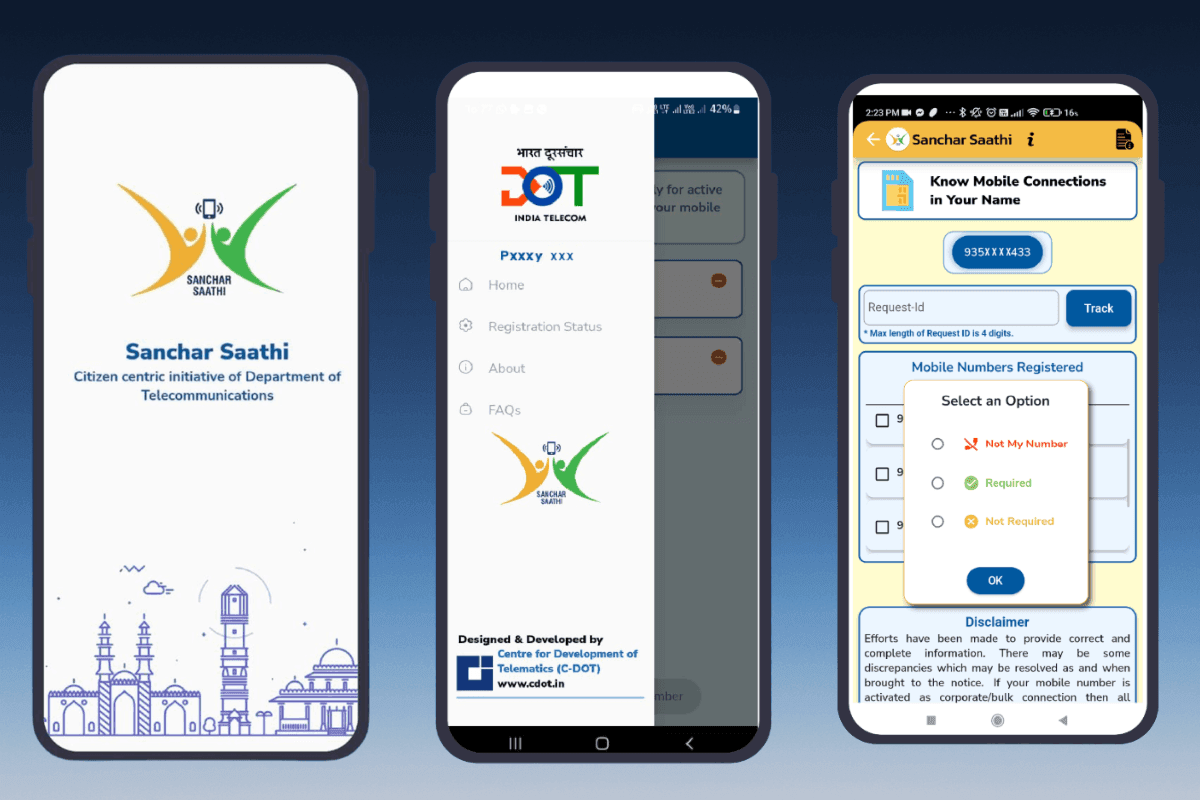
The Department of Telecommunications (DoT) has begun placing greater emphasis on telecom security, and its latest push around the Sanchar Saathi platform reflects that change. The message is simple users need to know what is linked to their identity, especially when it comes to mobile connections.
A risk that often goes unnoticed
A SIM card may seem like a small thing, but today it sits at the centre of a user’s digital life it is linked to bank accounts, UPI services, email logins, and social media platforms any misuse at this level can quickly spread into something larger over the past few years, fraudsters have increasingly relied on SIM cards obtained through fake or misused documents these numbers are then used to place scam calls, send phishing messages, or carry out OTP-based financial fraud. In some cases, individuals are not even aware that a mobile number exists in their name.
That is what makes this issue particularly concerning it is not always visible, and by the time it is noticed, the damage may already be done.
Bringing visibility back to the user
The DoT’s approach with Sanchar Saathi is built around one idea visibility instead of keeping telecom data within operator systems, the platform allows users to check it for themselves. Through Sanchar Saathi, individuals can see how many mobile numbers are registered in their name and report anything that looks unfamiliar it is a simple feature, but one that addresses a long-standing gap for many users, this could be the first time they actually verify their telecom footprint.






























