Support Telecomtalk







Andrew Bonwick
Vice President of Product Development at Relm Insurance

Madhav Sheth
CEO of Ai+ Smartphone

Stephen Rose
CEO Render Networks



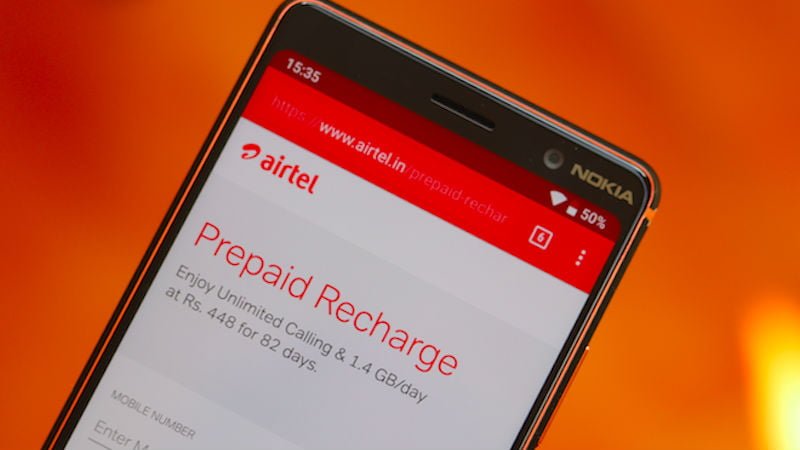
If you pick up any prepaid subscriber at random, then there is a very high chance that they would have two SIM cards on their phone. This phenomenon has become especially common after the coming of Reliance Jio into the Indian telecom industry, after which people crowded around for Jio SIMs which were offering free data and calling benefits. In such a scenario, there is bound to be one number which is going to get all the attention and recharges, while the other numbers are going to act as auxiliary contacts for a lot of people. These auxiliary SIMs have mostly been accounted for by Airtel and Vodafone Idea. This has affected the revenue of the companies and to fix that, both Airtel and Vodafone Idea have introduced minimum recharge plans. But, the major question for subscribers is whether or not minimum recharge plans are viable, as the company has claimed?
- Make Telecom Talk My Trusted Source






Why Did Minimum Recharge Plans Show Up in the First Place?
The first point to understand is why the minimum recharges were introduced in the first place. After the consumers started depending on a single telecom operator for their data and calling needs, which was usually the cheapest one in most cases, the other telecom operators faced a slump in their revenues as nobody was recharging their previous numbers. These SIMs were only used for incoming calls. Leveraging that, and to urge the subscribers to keep their validity going, the private telcos introduced the minimum recharge plans. Now, to continue their incoming call services, the customers were asked to recharge their number with these minimum recharge plans.