



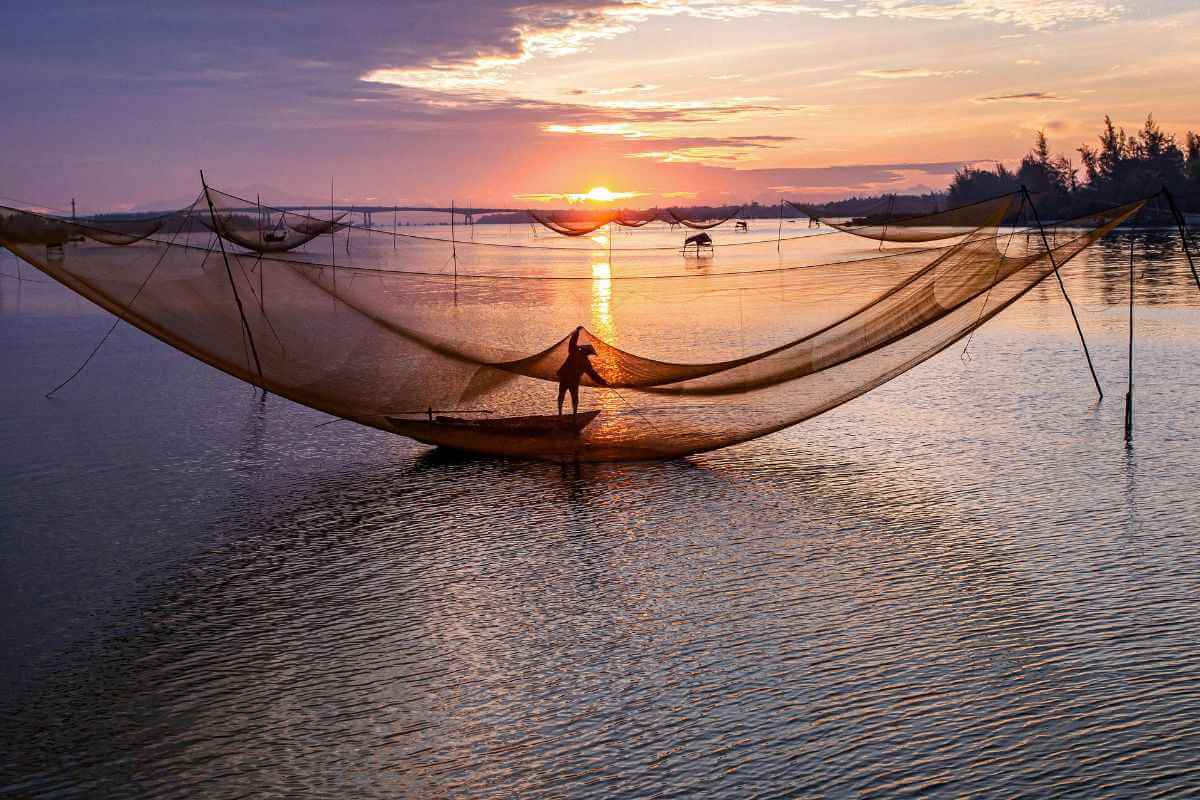
India’s fisheries sector is emerging as a key driver of economic growth, contributing significantly to food security while sustaining millions of livelihoods across coastal and rural regions. Once largely production-oriented, the sector has begun to attract innovative ideas and entrepreneurial talent, giving rise to a growing fisheries start-up ecosystem, according to an official statement by the Ministry of Fisheries, Animal Husbandry and Dairying dated March 27, 2026.
Investment Boost Fuels Fisheries Growth
Since 2015, the Government has invested Rs 39,272 crore through various initiatives schemes to promote sustainable development in fisheries and aquaculture. This push has catalysed the emergence of over 300 start-ups, many of which are leveraging advanced technologies such as blockchain, Internet of Things (IoT), and artificial intelligence (AI) to develop innovative, commercially viable solutions that enhance productivity, ensure traceability, and improve value chain efficiencies.
"To address the fisheries’ value chain challenges through innovative technology solutions, a set of problem statements have been identified that focus on developing nutritious and affordable aquaculture feeds from sustainable sources, enhancing aquaculture sustainability through AI-powered precision farming, building resilient and inclusive seafood supply chains, minimizing waste while maximizing value in the seafood industry, and integrating traditional knowledge with modern technology for sustainable fisheries," the Ministry said.
Technology Driving Efficiency and Sustainability
The integration of technology is redefining operations across the fisheries sector. IoT-enabled systems are being used for real-time monitoring of water quality, pond health, and environmental conditions, helping farmers reduce input costs and adopt precision aquaculture practices. "Artificial intelligence (AI) and machine learning (ML) tools are increasingly being used for disease prediction, biomass estimation, feed optimisation, and decision-support systems that help farmers manage risks and improve yields," the Ministry added.
Innovations such as recirculatory aquaculture systems (RAS), biofloc technology, and sensor-based farm management are facilitating high-density, low-water farming, making aquaculture viable even in resource-constrained regions. At the post-harvest stage, government of India said it is also encouraging start-ups to drive advancements in cold-chain logistics, solar-powered chilling units, smart ice-production systems, and AI-based quality grading to reduce spoilage and maintain export-grade standards.
According to the Ministry, emerging areas such as seaweed cultivation technologies, genetic improvement tools, low-impact fishing gear, and satellite-based advisory systems are further expanding the sector’s innovation footprint, positioning India for greater global competitiveness.
Drone Technology Gains Traction
Drone technology is increasingly being adopted in India’s fisheries sector to improve monitoring, decision-making, and farm efficiency. Start-ups and research groups are using drones for rapid pond mapping, water-quality assessment, biomass estimation, and early detection of issues such as algal blooms or low oxygen zones. In coastal and marine areas, drones support shoreline surveillance, monitoring of fishing activity, and assessment of fish-stock movement.
In a notable initiative, the Department of Fisheries has commissioned a pilot project with the ICAR–Central Inland Fisheries Research Institute (CIFRI), Kolkata, to develop specialised drone-based live fish transport systems. The proposed drone is designed to carry up to 100 kg of live fish over a distance of 10 kilometres, potentially transforming short-range logistics in aquaculture.
Policy Push Strengthens Start-up Ecosystem
Recognising the critical role of innovation, the Government said it has undertaken targeted interventions to promote innovation in fisheries and aquaculture. The Department of Fisheries has organised a series of Fisheries Startup Conclaves to provide a platform for entrepreneurs to showcase solutions, foster collaboration, and explore sectoral opportunities.
Fisheries Startup Grand Challenge was launched to identify start-ups offering solutions related to productivity, sustainability, and market access, inviting proposals ranging from digital farm-management tools to seafood supply-chain innovations. Selected start-ups receive financial support, mentorship, and incubation assistance, with pilot projects facilitated through field institutes. Following the success of its first edition, a second round has been introduced to deepen the innovation ecosystem with continued institutional support from organisations such as ICAR and the National Fisheries Development Board.
Knowledge Sharing and Capacity Building
To complement these initiatives, the Department has introduced “Matsya Manthan,” a lecture series aimed at strengthening knowledge exchange within the sector. Bringing together experts, researchers, and industry practitioners, the platform focuses on emerging technologies, sustainable practices, and policy priorities. Eleven sessions have been conducted so far, contributing to evidence-based policy-making and strategy development.
Additionally, five fisheries business incubation centres have been established across the country, including facilities at Guwahati Biotech Park, Assam; National Institute of Agricultural Extension Management (MANAGE), Hyderabad; ICAR-CIFE, Mumbai; and ICAR-CIFT, Kochi. These centres provide mentorship, training, and support for developing viable business models.
Towards a Future-Ready Fisheries Sector
"Together, these initiatives are shaping a more dynamic and future-ready fisheries start-up ecosystem, where innovation, technology, and policy support are working in tandem to modernize the sector. With stronger institutional backing, growing entrepreneurial participation, and sustained government commitment, India is well-positioned to unlock new opportunities and drive long-term, sustainable growth across its fisheries and aquaculture landscape," the Ministry said.