 Support Telecomtalk







Andrew Bonwick
Vice President of Product Development at Relm Insurance

Madhav Sheth
CEO of Ai+ Smartphone

Stephen Rose
CEO Render Networks



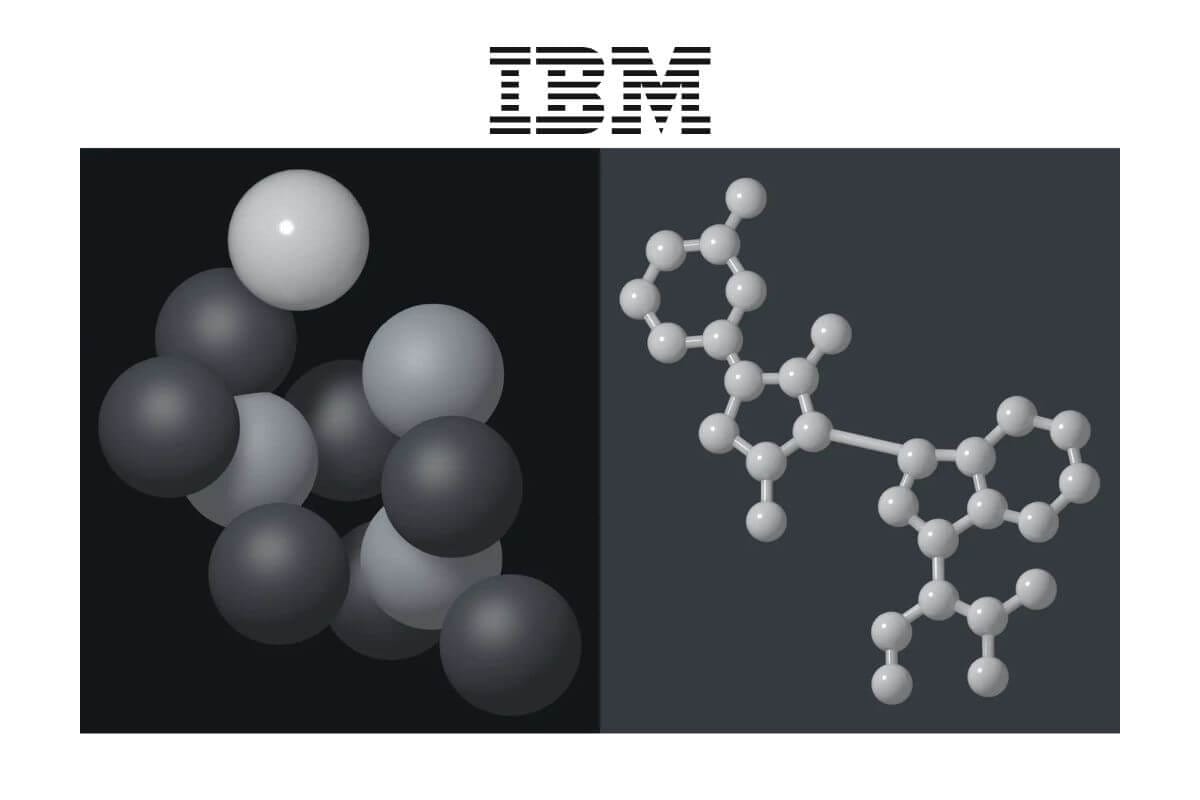
IBM has unveiled a new family of open-source foundational Artificial Intelligence (AI) models for chemistry, aimed at accelerating the discovery of new, more sustainable materials with applications in chip fabrication, clean energy, and consumer packaging. According to the company, AI has the potential to transform the discovery of safer and more sustainable materials, providing a powerful solution to phase out toxic substances tracked by the US Environmental Protection Agency.
- Make Telecom Talk My Trusted Source
-

-


Also Read: IBM Releases New AI Models Built for Business
Material Discovery with AI
IBM Research designed these new AI models to accelerate this process by screening millions of molecules for desirable properties and generating new, safer alternatives. Available on platforms like GitHub and Hugging Face, the models have been downloaded over 100,000 times, reflecting strong interest in their potential, according to IBM.
“Foundation models pre-trained on vast molecular databases can be used to screen millions of molecules at a time for desirable properties while weeding out the ones with dangerous side effects. These models can also be used to generate molecules entirely new to nature, circumventing the traditional drawn-out, trial-and-error-based discovery process,” IBM said on December 20.
Also Read: Meta Unveils New AI Models and Tools to Drive Innovation
Overcoming Challenges
The primary challenge in applying AI to chemistry lies in representing molecular structures effectively. IBM’s researchers addressed this by integrating various data formats—SMILES, SELFIES, and molecular graphs—into a unified “multi-view” mixture of experts (MoE) model. This adaptable model improves task-specific performance and has outperformed existing models in predicting properties such as toxicity and solubility, key benchmarks in drug and materials discovery, according to IBM.






























