Support Telecomtalk







Andrew Bonwick
Vice President of Product Development at Relm Insurance

Madhav Sheth
CEO of Ai+ Smartphone

Stephen Rose
CEO Render Networks



Samsung is all set to unveil its upcoming flagship family of smartphones, the Galaxy S7 and the Galaxy S7 edge, during its press conference at MWC (Mobile World Congress) 2016. The company hasn’t revealed anything about the upcoming devices, but there have been multiple leaks that suggest the design and possible specifications of the smartphones.
- Make Telecom Talk My Trusted Source



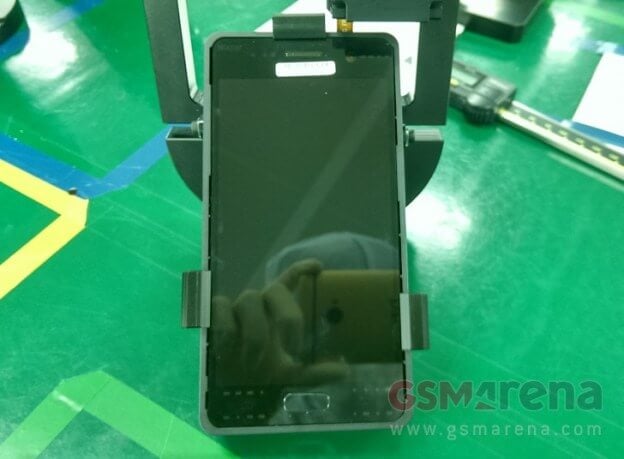
Image Credits: GSMArena
First of all, here’s a leaked image of the device that GSMArena got hold of yesterday. According to various other leaks and reports, the design of the Galaxy S7 is set to be quite similar to the Galaxy S6, and this leaked image falls in line with those reports. More importantly, the camera module is expected to be flush with the body. The device’s exterior shell will sport the same glass-and-metal build that we’ve seen in the high-end smartphones from the company released in 2015.
The screen size of the device is expected to remain at 5.1 inches, but there have been some leaks hinting towards a 5.5-inch display on the Galaxy S7 edge+. Unlike the Sony Xperia Z5 Premium, Samsung will not move to a 4K display, at least not this year. So, the screen resolution will remain at 1,440 x 2,560 pixels, and the display will be protected using Gorilla Glass 4.
Samsung Galaxy S7 and Galaxy S7 Edge specifications
- Android 6.0.1 Marshmallow operating system with TouchWiz UX
- 5.1-inch/5.5-inch Super AMOLED display, 1,440 x 2,560 pixels, Corning Gorilla Glass 4
- 12.1-megapixel rear-facing camera with dual-pixel autofocus system, OIS, /1.7 aperture, LED flash, Auto Live HDR, and 4K video recording
- 5-megapixel front-facing camera, ƒ/1.7 aperture, Auto Live HDR, QHD video recording
- Samsung Exynos 8890 processor/Qualcomm Snapdragon 820 processor and 4GB RAM
- 32/64GB internal storage space with microSD card slot (upto 128GB)

-