Support Telecomtalk







Andrew Bonwick
Vice President of Product Development at Relm Insurance

Madhav Sheth
CEO of Ai+ Smartphone

Varun Kashyap & Sridevi Reddy
Co-Founders, Zithara.ai
Transforming Indian Offline Retail and Customer Engagement Using AI


Display technologies have been more or less the same in recent years, with the only exception being the flexible displays that can provide a unique canvas to view content on. OLEDs have been replacing LCD, with budget smartphones finally adopting OLED screens, forgoing their LCD past.
- Make Telecom Talk My Trusted Source



The market however was shaken up by the introduction of Mini-LED technology and, with Apple choosing to make use of the same for its new iPad, it seems that the day is not that far when flagships and premium devices make the move from OLEDs to Mini-LED.
Now, if you, like countless others are unaware of what Mini-LED is, worry not, as we will discuss what Mini-LED is and why there is a certain amount of hype surrounding the new display technology.
What is Mini-LED Tech?
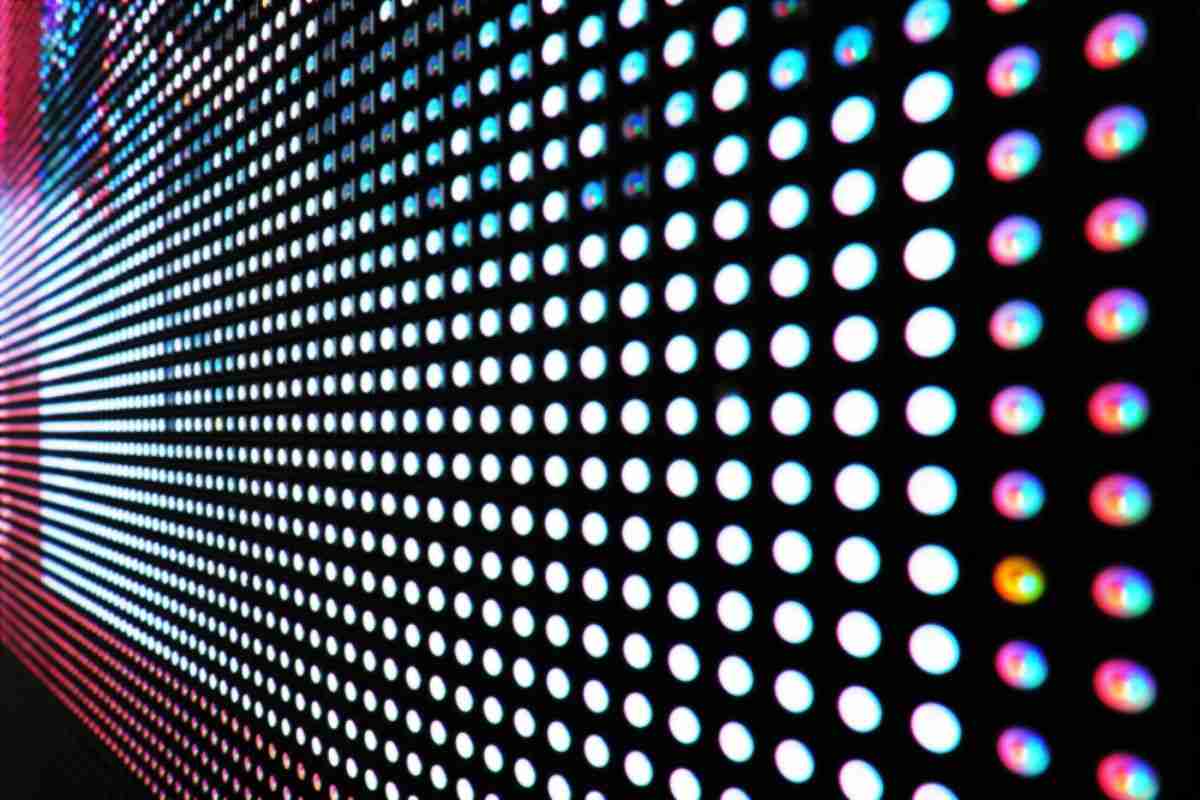
In terms of the basics, the name should be a dead giveaway. Mini-LEDs make use of small LEDs in order to produce the display’s light. This new technology is a sort of a descendant of the traditional LCD technology, which is usually backlit in nature.
The key difference here is that instead of using a single large backlight or small backlights, Mini-LEDs make use of thousands and thousands of tiny LED backlights that offer superior local dimming capabilities. Numerically speaking, in order to be a Mini-LED backlight, each diode is required to be less than 0.2mm in size.
Coming to the term Local dimming, it is quite important when it comes to LCD panels since backlight bleeds in these panels leads to poor quality of blacks and contrast ratios in comparison to an OLED panel. This is a hybrid method that aims to meet the quality of an OLED, minus the intricacy. It can be termed as the best shot an LCD has to reach the capabilities of an OLED. Do note that this is not the same as Micro-LED technology, which is quite different and will be discussed sometime in the future.