 Support Telecomtalk







Andrew Bonwick
Vice President of Product Development at Relm Insurance

Madhav Sheth
CEO of Ai+ Smartphone

Stephen Rose
CEO Render Networks



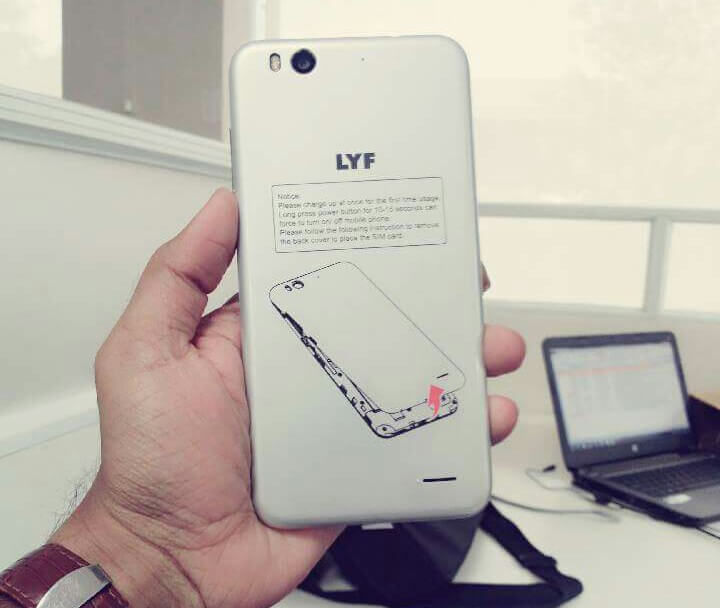
Jio owns the recognition to become the first telecom operator in the country to launch its own devices brand “Lyf”. Bundling of devices with their services is a common practice in several countries, but India is new to this concept. The success or failure of Reliance Jio’s Lyf brand, hence, determines the retention of this concept in the country, analyzes The Telecom Times.
- Make Telecom Talk My Trusted Source



According to Counterpoint Research, Reliance Lyf brand has captured 7% market share in the first quarter of the current calendar year. It is also the fifth largest player in the market. Lyf has surpassed long-time players such as Micromax and Lenovo to grab the position of second largest Long Term Evolution (LTE) phone supplier after Samsung. Moreover, it registered 12.6% market share in the March quarter to become India’s third largest selling mobile phone brand (Source: CyberMedia Research and Services Ltd) after Samsung and Lenovo. These data show that the brand Lyf is already on its path to success to a certain extent.
However, Reliance Lyf started shipping only in December 2015 and till April it sold nearly 1.5 million devices. The first quarter sales were more of a channel filling than an actual sale, assumed The Telecom Times. The real impact of sales will be apparent only in the second quarter, the blog said.
To go slightly in-depth into the scenario, it is necessary to consider other scenarios revolving around the 4G situations of the country. To say, India has the lowest ARPU in the world and with more than 90% subscribers registered as prepaid subscribers. This lower ARPU is one reason for the Indian telecom service providers to stay away from offering bundling deals (devices + data deals) to subscribers.
Reliance Jio daringly entered into this bundling deals with the launch of Lyf brand, primarily because it wanted to make Voice-over-LTE (VoLTE) devices available in the market. Also, the provider wanted to position itself as an operator offering VoLTE experience to its subscribers. The market was also showing more inclination towards the 4G revolution and the company was rather left with little option to launch its own brand.






























