 Support Telecomtalk







Andrew Bonwick
Vice President of Product Development at Relm Insurance

Madhav Sheth
CEO of Ai+ Smartphone

Stephen Rose
CEO Render Networks



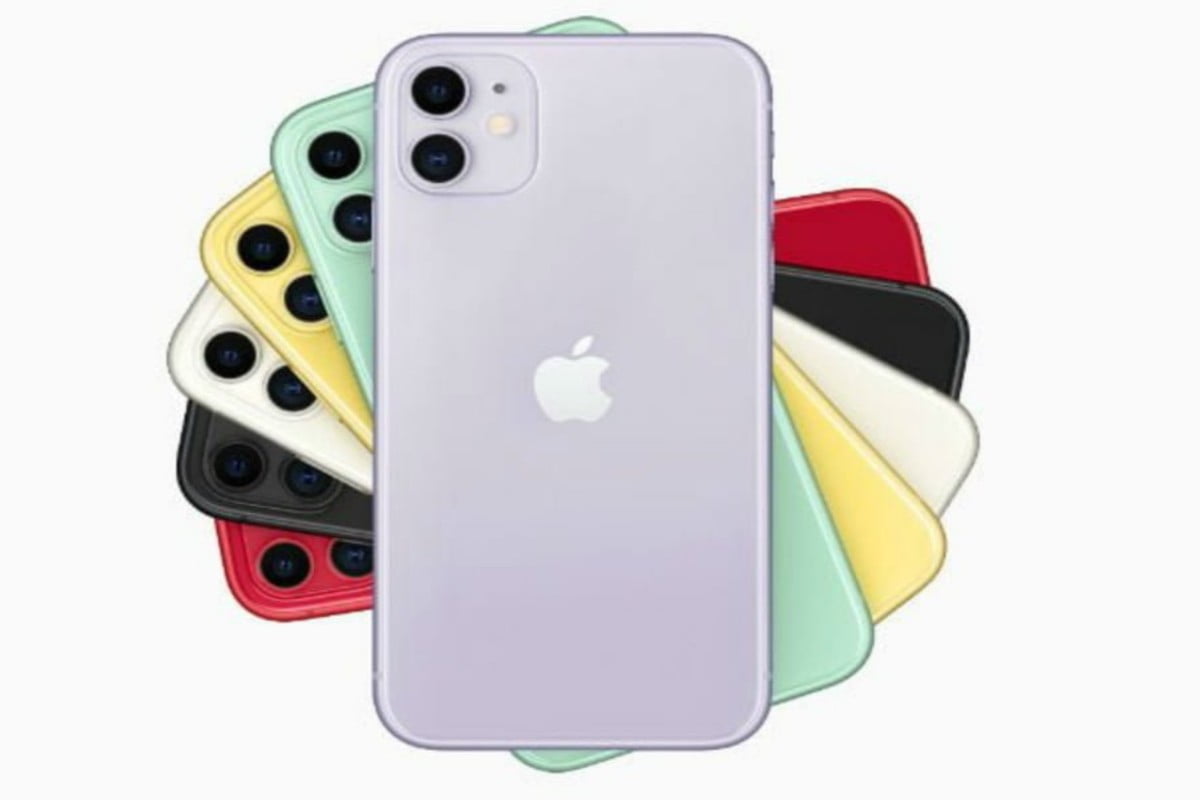
iPhone 11 series, when it launched, was a breath of fresh air. It symbolised what Apple stood for – beauty and power. Of course, iPhones have always been a sign of luxury. But more so than that, iPhones have been smartphones full of value. That means when you purchase an iPhone, you know that any day, its resale value will drop comparatively slower than the same-priced Android phone, be it of any brand. However, the same probably can’t be said for the iPhone 11 series and older iPhones now. This is because these iPhones don’t support 5G.
- Make Telecom Talk My Trusted Source
-

-


So even if they are going to get future iOS updates, they won’t be able to support 5G at all. This will affect their resale value by a huge margin, especially when the demand for 5G rises (expected to happen in the short term). iPhone 11 series could still be of great use to many people who are not looking forward to 5G and are happy with the performance of the 4G networks. Don’t get me wrong, iPhone 11 series is still a beast to handle multitasking and regular apps.
Read More – Using 5G on OnePlus 10 Pro 5G: One Key Observation
But, at the same time, the iPhone 11 series can’t compete even with a $200 USD phone when 5G support is concerned. Apple can’t magically enable the iPhone 11 series for 5G with software updates because there’s no supporting hardware. Further, the iPhone 11 series was announced in 2019, and since then, several new iPhones have entered the market with much better performance and 5G support.






























