 Support Telecomtalk







Andrew Bonwick
Vice President of Product Development at Relm Insurance

Madhav Sheth
CEO of Ai+ Smartphone

Stephen Rose
CEO Render Networks



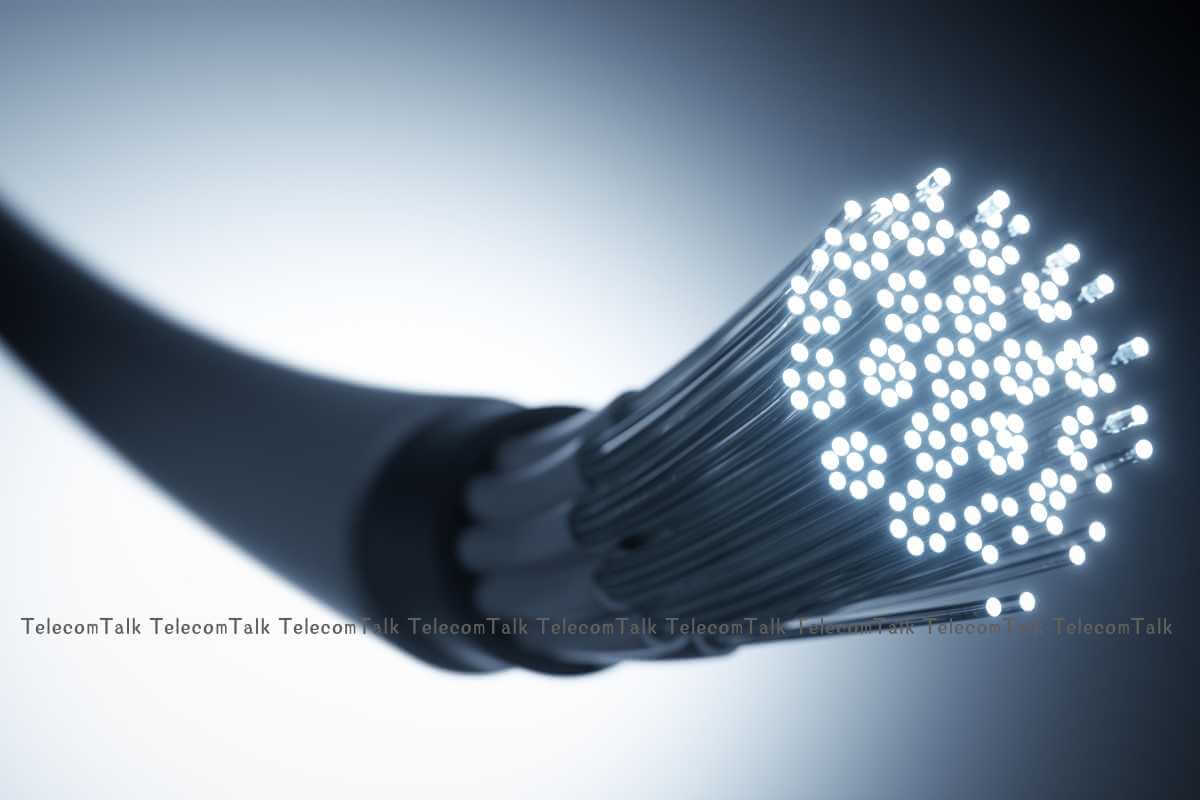
Undersea cables play a crucial role in connecting countries and continents across the world. They are the backbone of the global communication infrastructure, providing high-speed, reliable, and secure communication networks. The capacity of undersea cable operators in India has significantly increased from 2016 to 2021. With a surge in data usage in the country, data collected by the Telecom Regulatory Authority of India (TRAI) reveals that the total activated capacity of cable landing stations has increased nine times, and the lit capacity has increased four times.
- Make Telecom Talk My Trusted Source
-

-


Also Read: Telecom Egypt and Grid Telecom to Build Subsea System Connecting Egypt and Greece
India’s Demand for International Bandwidth
According to the Telecom Regulatory Authority of India (TRAI), India’s demand for international bandwidth is expected to grow at a compound annual growth rate of 38% and reach ten times its current level by 2028. As of present, India has 17 submarine cables ( if Seacom and MENA are considered separate cables) coming from different parts of the world to connect with the terrestrial networks at the cable landing stations near the coast.
These subsea cables land in 14 distinct cable landing stations in 5 cities across India, namely, Mumbai, Chennai, Cochin, Tuticorin and Trivandrum. Mumbai and Chennai have the maximum concentration of submarine cables. According to TRAI, the lit capacity and the activated capacity on these 17 international subsea cables were 123.87 Tbps and 83.8 Tbps, respectively, by the end of 2021.
Also Read: Airtel Partners With Meta and STC to Bring 2Africa Pearls to India






























