 Support Telecomtalk







Andrew Bonwick
Vice President of Product Development at Relm Insurance

Madhav Sheth
CEO of Ai+ Smartphone

Stephen Rose
CEO Render Networks



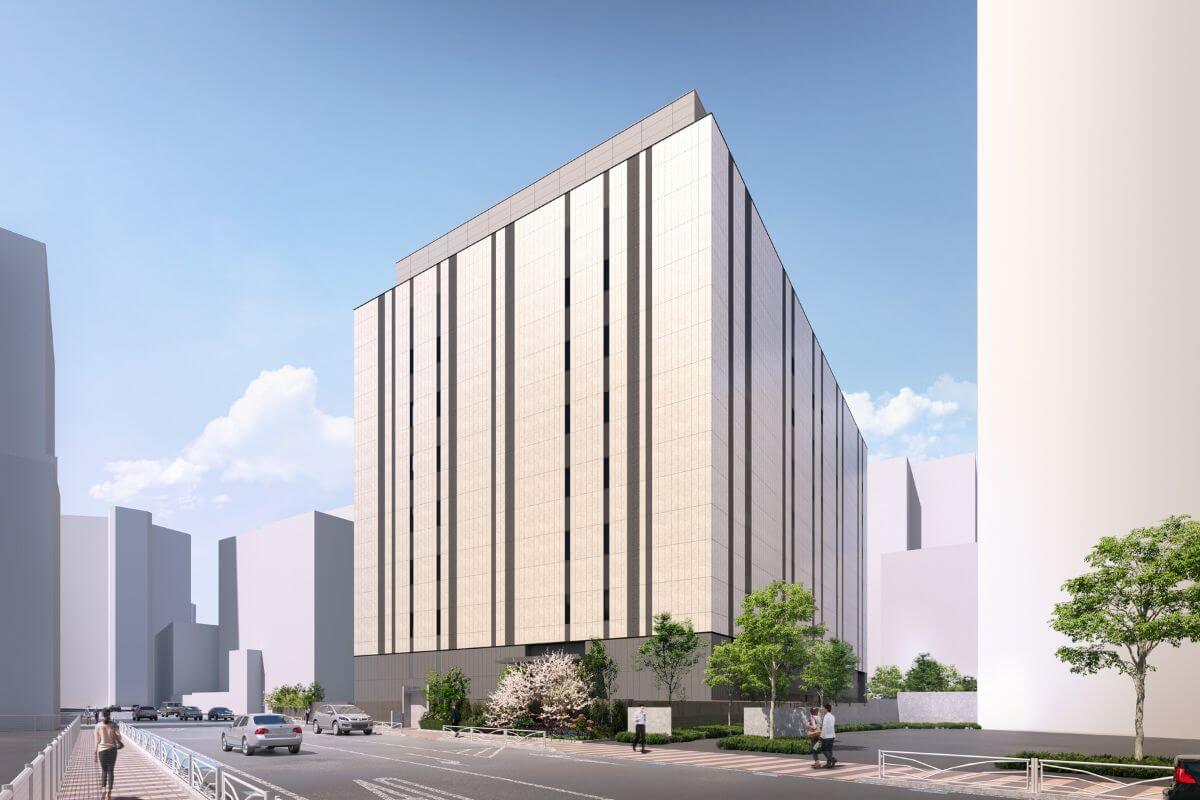
The importance of Data Centers is known, and for a Digital Economy, Data Centers constitute the core of the storage and computational requirements. In such a move, Equinix, the world’s digital infrastructure company, announced its fifteenth International Business Exchange (IBX) Data Center in Tokyo, Japan. Details of the location of the DC, sustainability measures and growth forecasts in the story ahead.
- Make Telecom Talk My Trusted Source



Data Center Location:
For serious business customers, Data Center Locations do matter, and that’s the reason businesses in digital infrastructure plan Data Centers strategically considering many parameters.
Named TY15, this new Data Center is located adjacent to the existing network and cloud-dense IBX campus in Tokyo. TY15 is expected to strengthen connectivity for global cloud and network service providers, including enterprises, enabling them to scale up and empower Japan’s Digital Economy.
Key Facts and Highlights of TY15:
- The TY15 IBX is located 1 kilometer from the TY6/TY7/TY8 IBX data centers and approximately 1.5 kilometers from the TY2 IBX data center.
- Scheduled to open in H2 2024, the first phase of TY15 will provide an initial capacity of approximately 1,200 cabinets and a total of 3,700 cabinets when fully built out.
- With proximity and direct fibre connectivity to TY2, TY15 will become the premier site in Tokyo for connectivity.
- Major cloud service providers, such as Amazon Web Services, Alibaba Cloud, Oracle Cloud, Google Cloud, Microsoft Azure and IBM Cloud, are all accommodated within the Equinix ecosystem. The new TY15 will provide additional capacity to expand while attracting new cloud providers into the Japanese Market.
- The newly introduced multipoint-to-multipoint data center interconnection via the Ethernet-switched LAN (E-LAN) technology of Equinix Fabric will help businesses to integrate IT infrastructure easily and cost-effectively. Service providers can use a common network to connect global footprint instead of setting up point-to-point connections.

-