 Support Telecomtalk







Andrew Bonwick
Vice President of Product Development at Relm Insurance

Madhav Sheth
CEO of Ai+ Smartphone

Varun Kashyap & Sridevi Reddy
Co-Founders, Zithara.ai
Transforming Indian Offline Retail and Customer Engagement Using AI


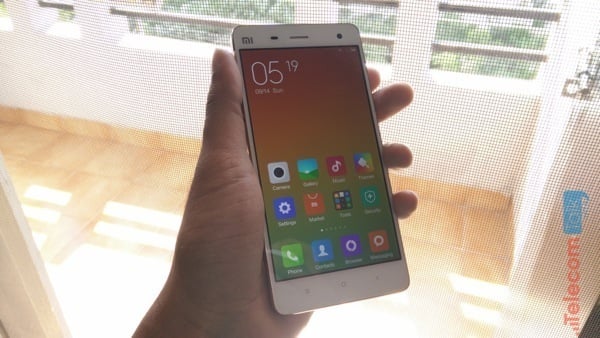
We managed to get our hands on the Xiaomi Mi 4, which to remind you, hasn’t been released in India. Xiaomi is planning to sell the Mi 4 in India by the end of 2014, may be by December 2014. It might be priced somewhere around Rs 20,000 in India. We have been testing it since past one week and here are our initial impressions about the Xiaomi Mi 4.
- Make Telecom Talk My Trusted Source



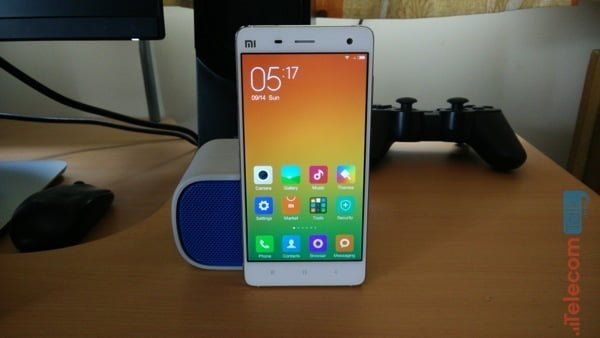
Box Contents
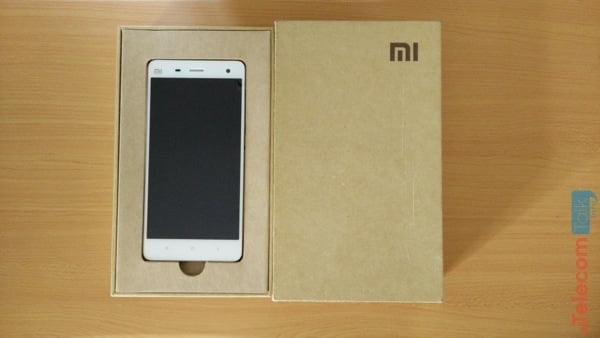
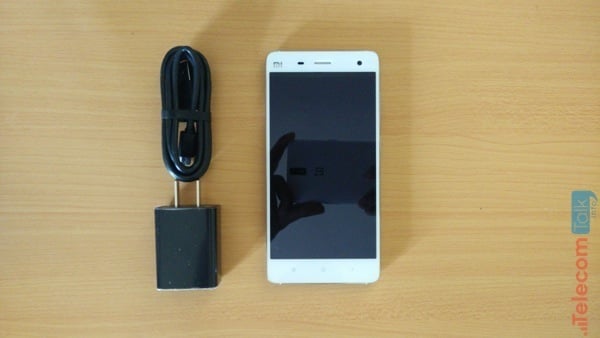
- Xiaomi Mi 4 smartphone
- USB 2.0 to microUSB 2.0 cable
- AC wall charger adaptor
Design & Build Quality
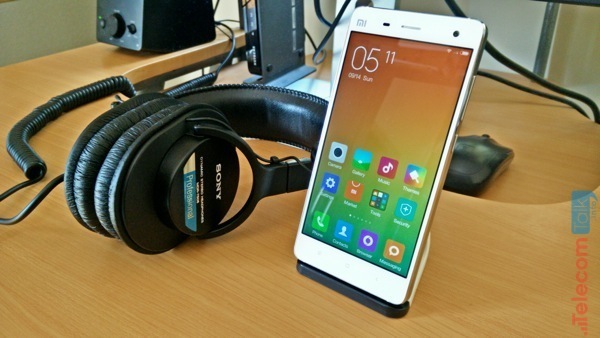
- From the front, the Xiaomi Mi 4 looks quite similar to the Apple iPhone 5S due to its metal frame around the body with chiseled finish.
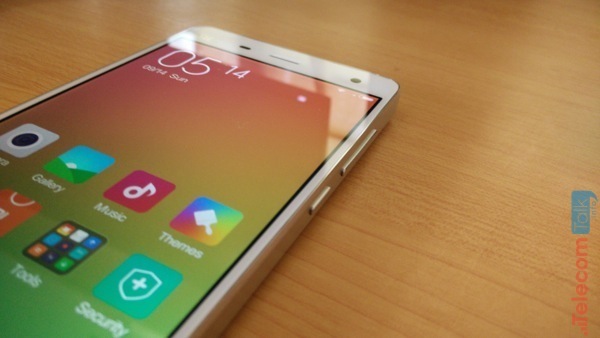
- Above the display, there is an earpiece, front-facing camera, proximity and ambient light sensors along with the Mi logo.
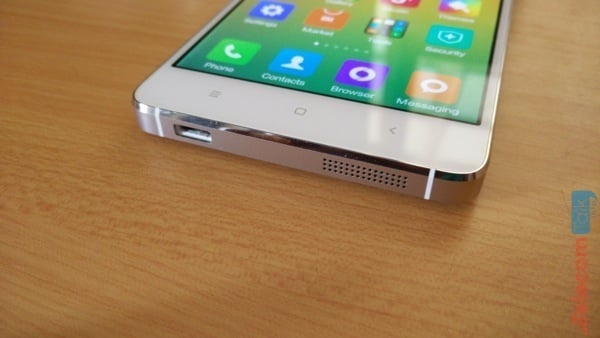
- Under the display, there are three backlit capacitive buttons which light up only when you press them or the screen.
- Right side of the device features power/lock/unlock button and volume rockers which is made using metal. They feel very tactile when pressed.
- Left side of the device features just the micro SIM card slot.
- The top of the device features an IR port and a 3.5mm headphone jack.
- The bottom of the device features loudspeaker, microphone and microUSB v2.0 port.
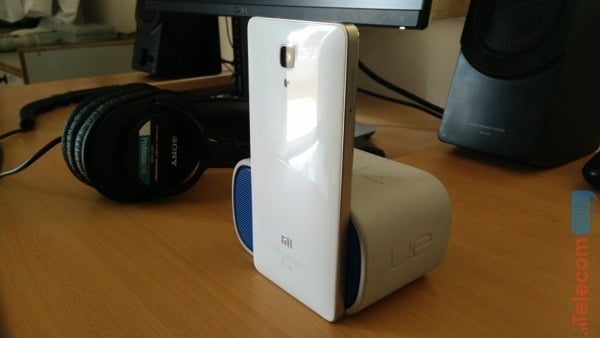
- It feels solid in the hands but the shiny and glossy back could’ve been a lot better.
- The camera lens can get scratched quite easily. Hopefully Xiaomi releases wooden, leather and marble backs as promised.
Display
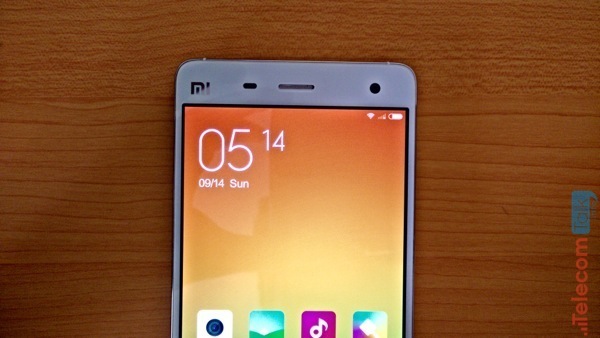
- 5.0-inch IPS LCD display has a resolution of 1920 x 1080 pixels with 441 ppi but it lacks Gorilla Glass protection.
- This display is slightly brighter than the display used in the Xiaomi Mi 3. It might even be slightly brighter than other flagship smartphones.
- The viewing angles, contrast and black levels are as good as any other high-end smartphone.
- There is a glove mode which you can turn on for using the device with gloves on but has a slight effect on the battery life.
Camera
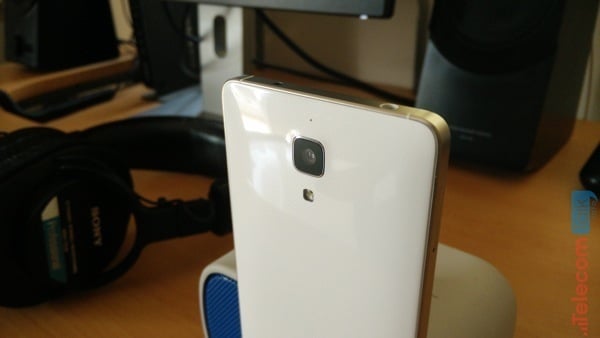
- The 13MP primary rear-facing camera used in the Xiaomi Mi 4 uses a slight newer camera sensor from Sony (IMX214). There’s single LED flash, autofocus lens and f/1.8 aperture.
- It can record 4K (30fps) videos and slow-motion videos (720p at 120 fps).
- The camera UI looks a lot like iOS 7. There are three new camera settings; Audio, Skin Tone and HHT (Handheld Twilight).
- Panorama images come out in full resolution (28MP in landscape and 40.8MP in portrait), unlike OnePlus One which clicks low resolution panorama images.
- Image quality is excellent, though there is slight amount of over-sharpening. There is plenty of detail and the colour reproduction is as close as possible.
- Though, LG G3 and Galaxy S5 have better camera than the Mi 4 due to phase detection autofocus (also, the laser autofocus and OIS in LG G3). OnePlus One’s camera is only slightly better than the Mi 4’s camera.
- The 8MP front-facing camera is leagues ahead of the front-facing camera that was used in the Xiaomi Mi 3. The Mi 4 has a great front-facing camera.
- I would not comment on the video recording quality until I test it completely.
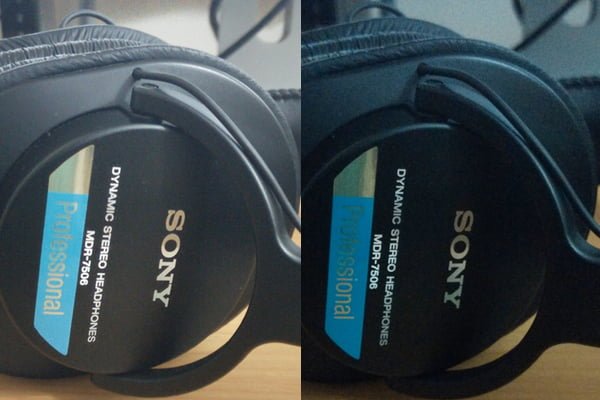
Camera Sample – OnePlus One vs Xiaomi Mi 4 – Indoor
Performance
- The Xiaomi Mi 4 is powered by a 2.5GHz quad-core Qualcomm Snapdragon 801 processor which consists of four Krait 400 CPU cores, Adreno 330 GPU and 3GB of RAM.
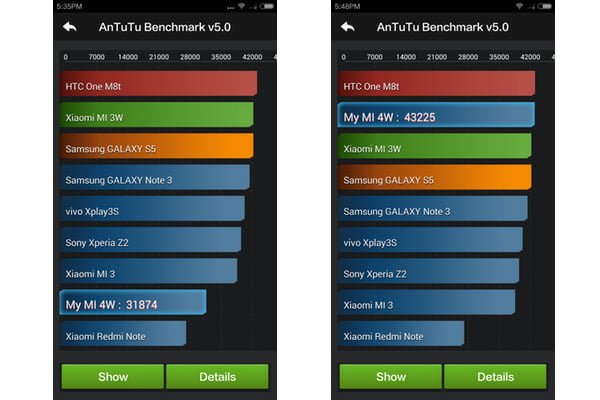
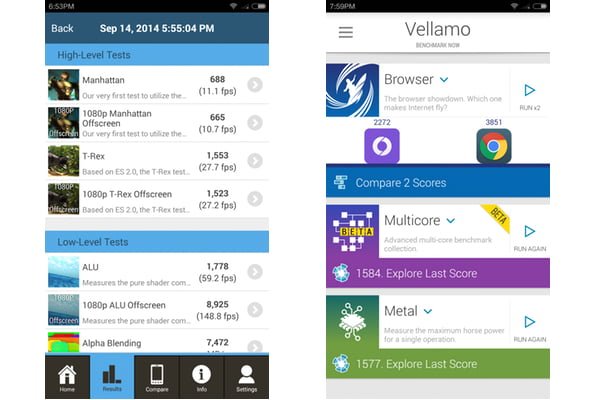
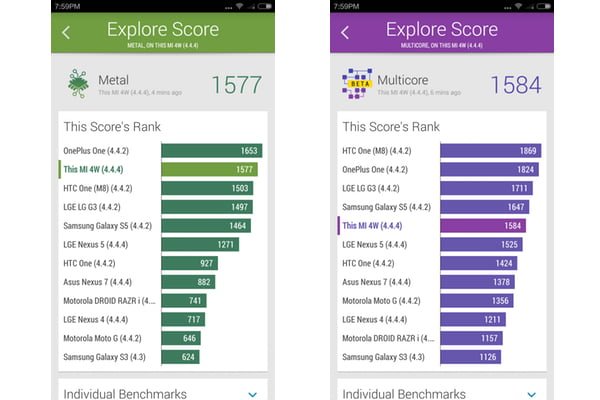
- Even with the latest hardware, it scored lower than its predecessor in the benchmarks (under the balanced mode). This might be due to improper software optimisation in MIUI v6.0.
- Even in Vellamo (except Metal test) and GFXBench benchmarking apps, it scored lower than current flagship devices.
- When the benchmarks are done multiple times, the device heats up and the scores keep on reducing with time.
- In real-world performance it was really smooth and fluid. There were no stutters or hiccups in the UI.
- Around 1GB of the RAM is even when using multiple apps. In comparison, around 1.4GB is free in OnePlus One when running the same number of apps.
Software & UI
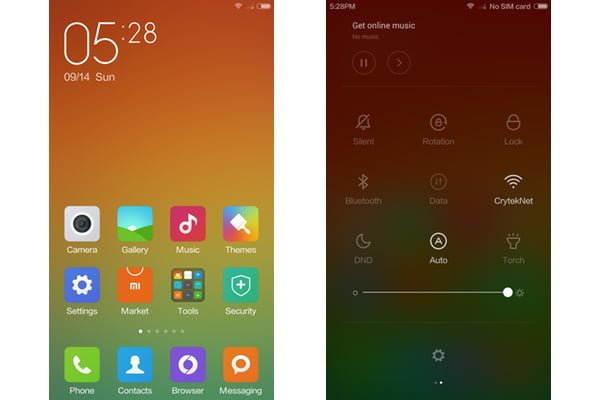
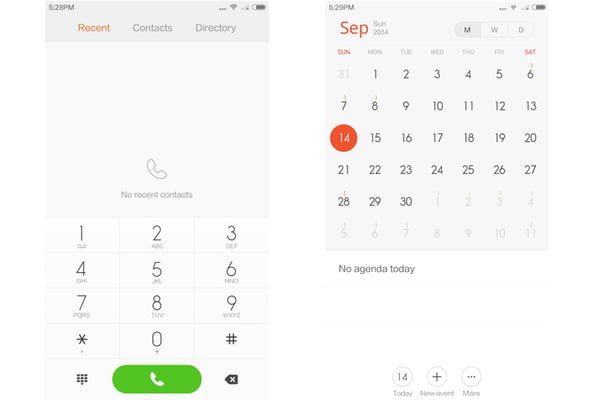
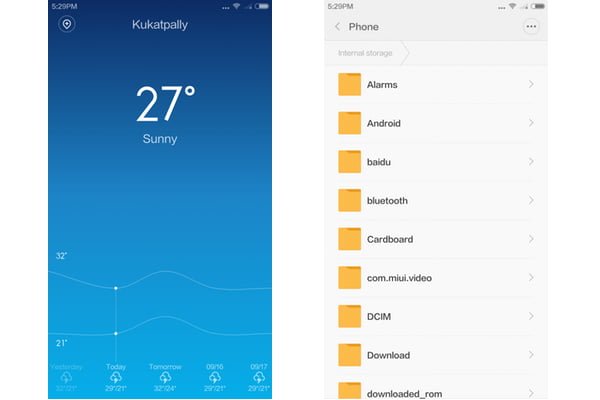
- The Mi 4 features a newer MIUI v6.0 user interface which is based upon Android 4.4.4 KitKat. This update will also be pushed to Mi 3, Redmi 1S and Redmi Note in a few months.
- The UI is a lot flatter and sharper now. The notifications area and quick setting toggles look very attractive now.
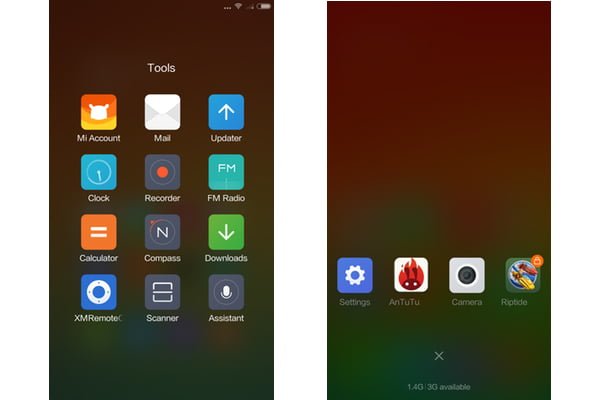
- Xiaomi still hasn’t removed the rounded square container around the app icons. It makes the 3rd-party app icons look bad.
- I couldn’t even get the Google Now launcher running on this device. Hopefully Xiaomi gets this thing sorted before releasing it in India.
- There are a lot of theming options from Xiaomi’s theme store. Other apps include a barcode scanner, voice assistant (which works only in Chinese as of now) and Xiaomi Remote control (works with MiTV and MiBox).
Battery Life
- The 3080 mAh battery is non-removable, just like the Xiaomi Mi 3.
- It gets charged within 2 hours with the supplied charger.
- After a full charge, the device lasts around 24 day with a screen-on time of around 4.5 to 5 hours depending on the usage scenario.
Conclusion
The Xiaomi Mi 4 is a very good upgrade from the Xiaomi Mi 3, especially in things like battery life, design, video recording abilities and the UI. There’s not much upgrade in terms of still image quality, loudspeaker and performance.
If this article saved you time or helped you decide better, consider supporting our work.






























