Support Telecomtalk







Andrew Bonwick
Vice President of Product Development at Relm Insurance

Madhav Sheth
CEO of Ai+ Smartphone

Stephen Rose
CEO Render Networks



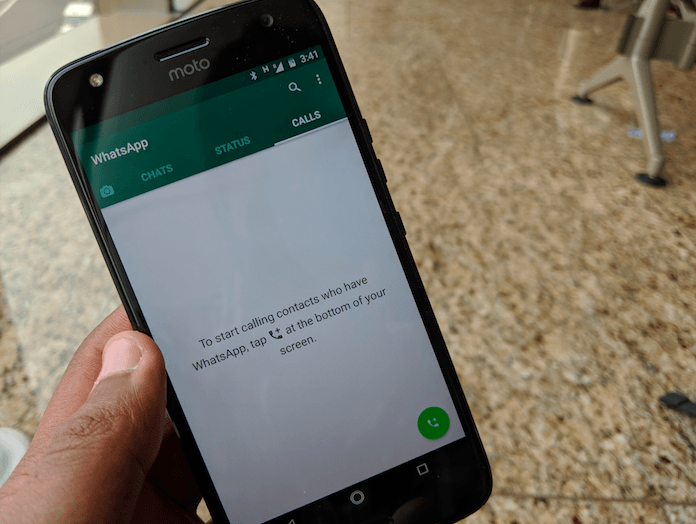
WhatsApp has officially said that it might share payment information of users with its parent company Facebook. This shocking announcement by WhatsApp comes at a perilous time when Facebook is already facing a heavy backlash from users regarding their security and protection of private data. WhatsApp was last seen testing payment services using UPI (Unified Payment Interface) in February in India, the payment service is actually planned to launch for the users later this year and is currently out as beta for a limited set of users.
- Make Telecom Talk My Trusted Source






This new revelation is made after we get to read WhatsApp’s new privacy policy. The documentation says “We share information with third-party providers and services to help us operate and improve Payments… To send payment instructions to PSPs (payment service providers), maintain your transaction history, provide customer support, and keep our Services safe and secure, including to detect, prevent, or otherwise address fraud, safety, security, abuse, or other misconduct, we share information we collect under this Payments Privacy Policy with third-party service providers including Facebook.”
It further goes on to say: “To provide Payments to you, we share information with third-party services including PSPs, such as your mobile phone number, registration information, device identifiers, VPAs (virtual payments addresses), the sender’s UPI PIN, and payment amount.”
It’s worth noting that WhatsApp remains as one of the most widely used messaging platforms in India and Facebook in India has about 250 million users out of which approximately 5 lakh users suffered from the data breach that happened during the Cambridge Analytica Scandal. Apparently, Facebook CEO is expected to testify before the US Congress about the allegations that London-based data-mining firm Cambridge Analytica inappropriately accessed data on Facebook users in the run-up to the US elections.