 Support Telecomtalk







Andrew Bonwick
Vice President of Product Development at Relm Insurance

Madhav Sheth
CEO of Ai+ Smartphone

Varun Kashyap & Sridevi Reddy
Co-Founders, Zithara.ai
Transforming Indian Offline Retail and Customer Engagement Using AI


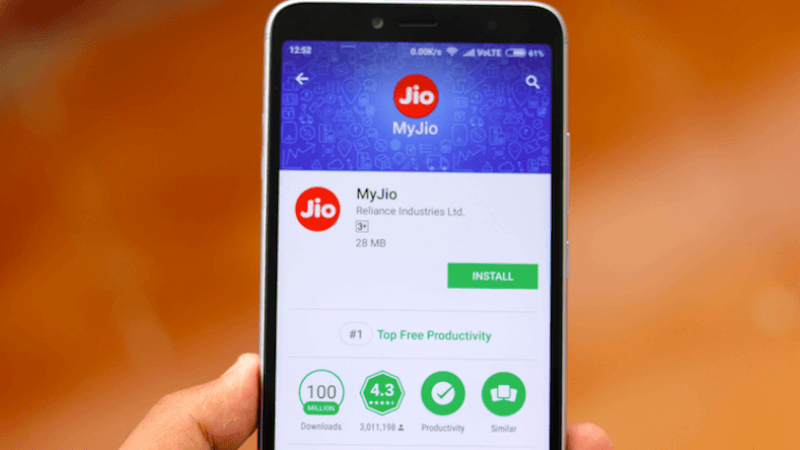
One of the major moves in the telecom industry in the last few days has been that of the tariff hike by the telecom companies. The companies like Reliance Jio, Vodafone Idea, and Bharti Airtel have hiked their tariffs by as much as 40% after Vodafone Idea first made the move. This data tariff hike has already been expected to boost the revenue of the companies by a certain extent and give a slight boost to the Average Revenue Per User (ARPU) as well. However, as per a new ET Telecom report, the major effect of this data tariff hike would only be visible in the fourth quarter of the FY in the January to March period. As per the analysts, the rise in the prices of the plans have unlikely caused any dips in the usage, and the reason for this is the wide adaptation of the long term plans which seem to be with a lot of subscribers of these telecom operators. However, in some of the cases, a dip is possible to be seen because of the number of internet shutdowns which have happened in the country following the protests in the country.
- Make Telecom Talk My Trusted Source



Reliance Jio to Witness Rise in ARPU
Out of all the telecom operators, it has also been established that Reliance Jio would set to gain the most from the data tariff hike. As per the words of Axis Capital, the Mukesh Ambani led telecom operator is likely to report a 60% rise in net profit, thus pegging it at Rs 1,578.2 crore in the December month. It would be Reliance Jio’s ninth consecutive quarter while it would be posting a profit. Another key contributing factor which would contribute to Reliance Jio’s dominating position is the Interconnect Usage Charges (IUC) which it started charging from the users a few months back. All of these factors, combined with the data tariff hike, are expected to up the ARPU of the company by 2.6%, thus pushing it to the levels of Rs 123 per user per month. It is worth noting that the ARPU of Reliance Jio has been on a decline since the last seven quarters.






























