Support Telecomtalk







Andrew Bonwick
Vice President of Product Development at Relm Insurance

Madhav Sheth
CEO of Ai+ Smartphone

Stephen Rose
CEO Render Networks



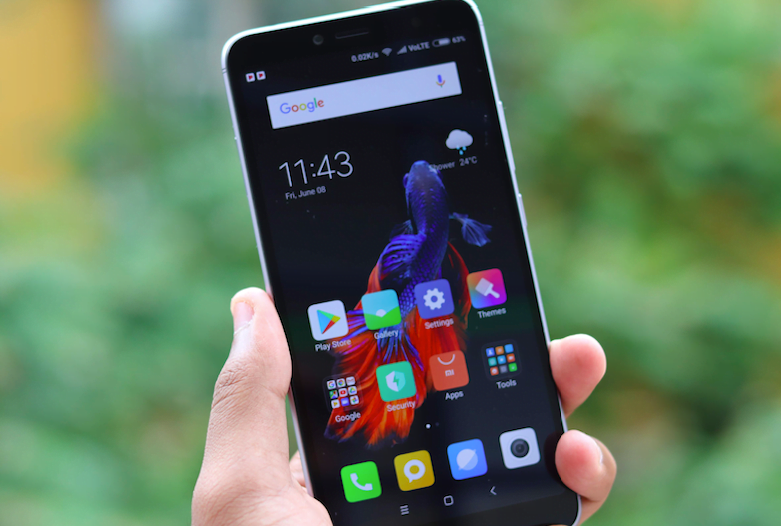
During the early days of the internet in India, people had to use dial-up connections which were excruciatingly slow. Then came companies like BSNL and Airtel which started providing broadband internet services thus catering to better internet speeds. Now gone are the times when people had to use a laptop or a desktop to access the internet. Thanks to 3G and 4G technology, the fastest and the most useful usage of internet is happening over phones. Statistics are also the witness to this revolution which marks the shift of internet users from desktops to mobiles, mainly because of 4G. Although 2G and 3G used to exist side by side the broadband lines, people preferred broadband because of its stability and faster internet speed. However, the coming of 4G has changed the entire narrative.
- Make Telecom Talk My Trusted Source






4G Plans
In India, telecom operators like Vodafone, Bharti Airtel and Reliance Jio have rallied into the market with their dirt cheap 4G data plans. Bharti Airtel has prepaid plans starting at Rs 249 and which go as high as Rs 509. Also, Vodafone has prepaid plans starting at Rs 199, offering 1.4GB data per day and the high ranging plans are available for Rs 799. Reliance Jio is also another operator who starts its plans at Rs 198 offering unlimited data and calling.
It is noteworthy that the feature of unlimited data and unlimited calling has further reduced the dependency of users on broadband for internet access. The availability of calling, fast internet and SMS under a single bill has pushed the users to ditch broadband connections and opt for 4G SIMs with these bundled data plans. Also, for users who want to have fast internet access on devices like laptop or desktop, WiFi devices like Reliance Jio’s JioFi and Vodafone MiFi come into use, which also indirectly utilise a 4G SIM much similar to a smartphone’s WiFi hotspot.