 Support Telecomtalk







Andrew Bonwick
Vice President of Product Development at Relm Insurance

Madhav Sheth
CEO of Ai+ Smartphone

Varun Kashyap & Sridevi Reddy
Co-Founders, Zithara.ai
Transforming Indian Offline Retail and Customer Engagement Using AI


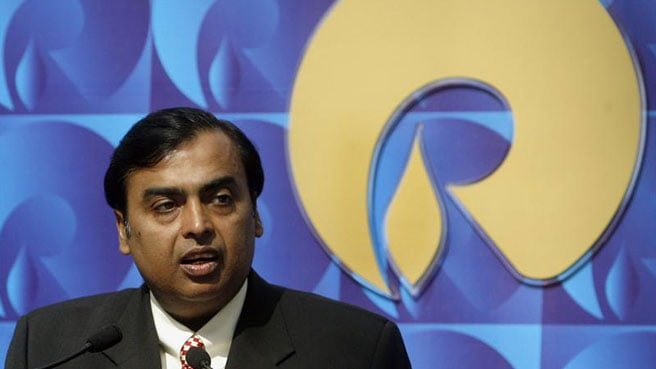
Reliance Jio the new telecom entrant which is all up in arms against industry lobby body COAI today cleared its stand on the recent statement made by the Lobby’s director general Rajan Mathews where he had called Jio a back door operator. Jio called Mathews’ statement surreptitious, defamatory, and an act of contempt of the orders of the Hon’ble Supreme Court of India and devoid of any merit.
- Make Telecom Talk My Trusted Source



Reliance Jio Infocomm Ltd (RJIL), in its letter of 23rd September, 2016 suggested overhaul of COAI’s regulations by a committee comprising of three retired Hon’ble Judges of the Supreme Court of India. These regulations as exist today admittedly are skewed in favour of incumbent operators, giving them de facto and de jure control over COAI to promote their vested interests. RJIL had in its letter quoted specific instances of flagrant misuse of COAI by the incumbent operators with the active connivance of Rajan Mathews, its Director General.
Contrary to Mathews’ claim that these are bilateral issues and should have been addressed within the association, he himself has raised several bilateral issues in external forums in the last few months without ever discussing these within the association. Further, all the forums within the association are controlled by the incumbent dominant operators owing to their disproportionate voting rights. It is also a known fact that Tata Teleservices and Reliance Communications have left COAI in the past because of such biases.
The press statement of Rajan Mathews skirts away from discussing the genuine need to deliberate RJIL’s concerns and fair need to overhaul COAI’s regulations. This, through a transparent process by a reputed and independent committee, would only strengthen COAI and ensure that it works in furtherance of its stated objectives i.e. promoting the cause of the common and mutual interests of telecom operators; in accordance with basic tenets of democracy, discussions, fair and adequate representation; no alienation of its members; encouraging fair competition in the market, etc.






























