Support Telecomtalk







Andrew Bonwick
Vice President of Product Development at Relm Insurance

Madhav Sheth
CEO of Ai+ Smartphone

Stephen Rose
CEO Render Networks



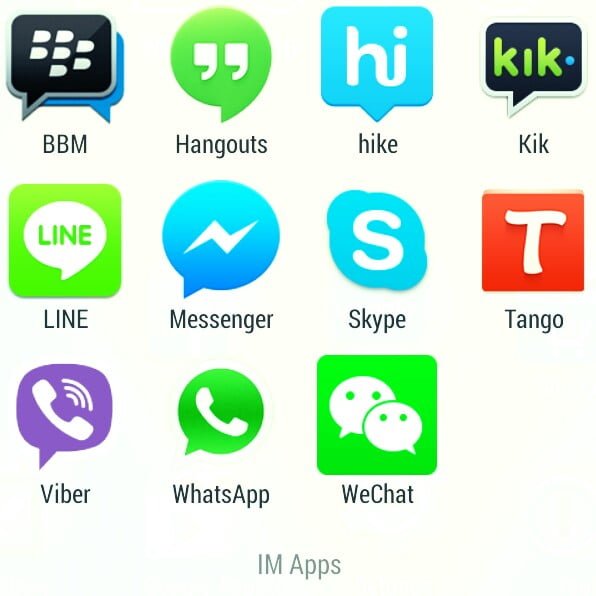
The IM (instant messaging) and VoIp apps like WhatsApp and Viber who provide free unlimited messages and voice/video calls respectively have taken over the world by storm. The total number of messages sent and received through WhatsApp per day have now overtook the total number of SMSes sent and received everyday. WhatsApp has disrupted the IM market in the same way how Skype did to international calling market.
- Make Telecom Talk My Trusted Source



IM & VoIP Apps



This has resulted into people shifting away from operator provided services like SMS and other value added services. Although the government had previously mentioned that they are not looking at regulating OTT (Over The Top) players, as per Economic Times, TRAI now wants to get an idea of these OTT apps and how they fulfil consumers needs as well as how operators get affected by their presence. This revised stand must be an effect of increased pressure from telcos like Bharti Airtel, Vodafone India and Idea Cellular who complain that OTT players are free riding on their network infrastructure which costs billions of dollars to set up.
According to data from a research firm Ovum, telecom operators lost around Rs 4,700 crore in SMS revenues in 2012. This loss was expected to increase to Rs 18,671 crore in 2013. But these numbers are not the real way to look at it. SMS accounts for not more than 5% revenues of major telecom operators in India. These numbers might be even less for other carriers. As more people start using these mobile data dependant apps, consumption of data increases and so does the revenue through data bundles. This, in part, fills the draughting SMS revenue stream that mobile operators are complaining about. When it comes to ‘free voice calls’ through apps like Viber, the price for data consumption for each VoIP call is half of what it costs for a normal voice call but the quality of voice isn’t half as good in comparison. Neither the 3G data networks are so widespread in the country for consumers to make a switch from normal voice calls to VoIP calls completely.